

A #fossil Snakefly and a modern relative.
The fossil is from the early #Cretaceous Yixian Formation of Jinzhou, Liaoning, People's Republic of China.
#PaleoSky #Palaeontology #Paleontology #FossilFriday
05.09.2025 20:02
👍 5
🔁 1
💬 0
📌 0
Yes, those fossils are from the Eocene White Lake Formation. It outcrops in several places in Kelowna, Westbank, Summerland, and near White Lake close to Okanagan Falls.
16.08.2025 02:38
👍 2
🔁 0
💬 0
📌 0

Leafy shoots and branchlets of Metasequoia cf. occidentalis from the Allenby Formation, Princeton, British Columbia.

Three examples of staminate (male) cones of Metasequoia cf. occidentalis from the Allenby Formation, Princeton, British Columbia. And a single seed (female) cone (bottom right).
Metasequoia cf. occidentalis (the Dawn Redwood) is the most common #fossil plant found in the Lower Middle #Eocene Allenby Formation. Leafy shoots and branchlets are most common, but male and female cones are also occasionally found.
#PaleoSky #Palaeontology #Paleontology #FossilFriday
15.08.2025 22:04
👍 37
🔁 10
💬 1
📌 0


I missed #FossilFriday so here are some cool #Eocene flower #fossils from British Columbia’s Allenby Formation. Collected near Princeton, BC.
#PaleoSky #Palaeontology #Paleontology #Palaeobotany #Paleobotany
12.08.2025 02:28
👍 30
🔁 8
💬 0
📌 0
Beautiful photo!
10.08.2025 03:30
👍 2
🔁 0
💬 1
📌 0

Four fossil flies (Order Diptera) collected from the Allenby Formation. This lower middle Eocene formation outcrops in and around Princeton, British Columbia.
Top Left: March Fly (Bibionidae)
Top Right: Fungus Gnat (cf. Mycetophilidae)
Bottom Left: Crane Fly (Tipulidae)
Bottom Right: indeterminate fly
Beautifully preserved Fly #fossils from the lower middle #Eocene #AllenbyFormation
Details in the ALT text.
#PaleoSky #FossilFriday #Palaeontology #Paleontology #Insects #Diptera
01.08.2025 19:32
👍 20
🔁 4
💬 1
📌 0
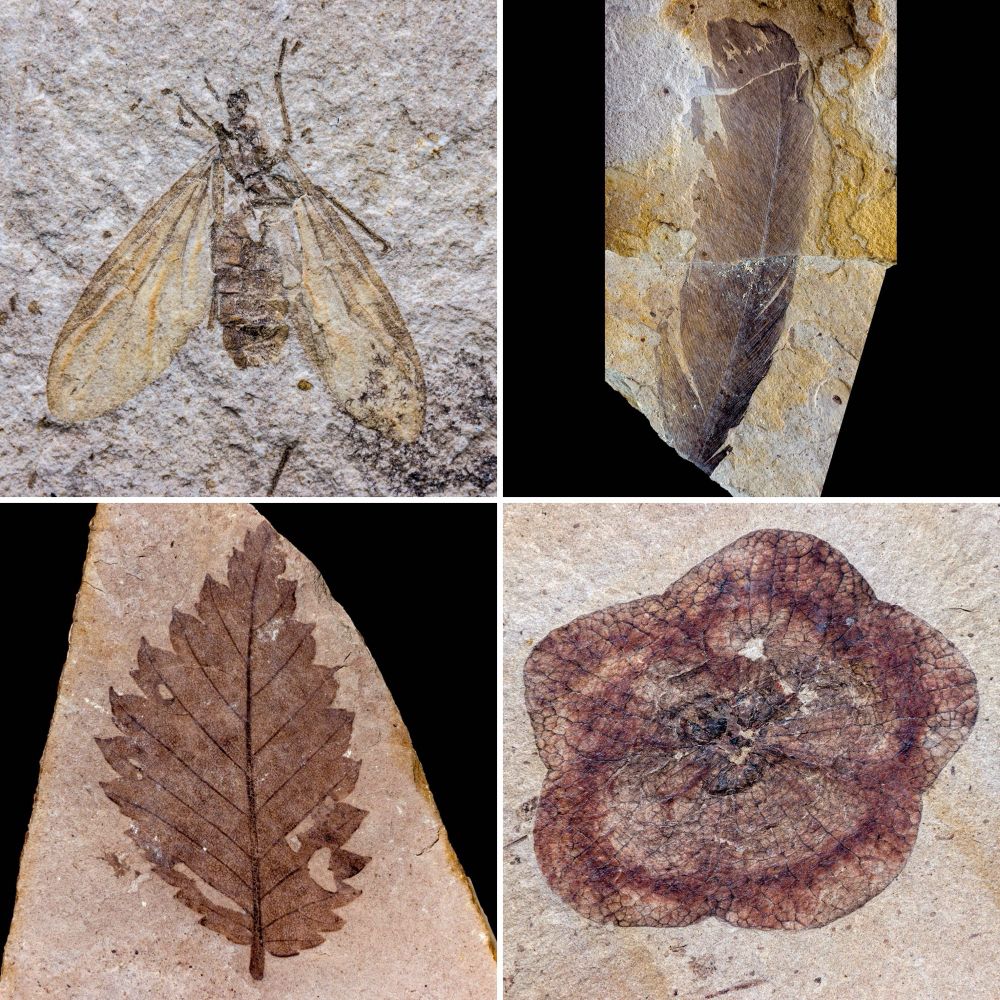
Top left: A fossil March Fly
Top right: A fossil bird feather
Bottom left: A fossil deciduous plant leaf with a toothed margin.
Bottom right: A large fossil flower
All were collected from the Eocene Allenby Formation of Southern British Columbia, near Princeton.
A teaser of some beautiful #Eocene #fossils that I will start featuring on BlueSky.
Collected from the Allenby Formation in the area around Princeton, British Columbia.
There are many more fine #insect, #plant, #fish, and #feather fossils to come. So stay tuned.
#PaleoSky #FossilFriday
25.07.2025 19:16
👍 54
🔁 11
💬 0
📌 0

A fine example of Ottoia prolifica, a priapulid worm from the Middle Cambrian Burgess Shale of British Columbia’s Yoho National Park. This photo was taken during my first visit to the Burgess Shale in the summer of 1993. The specimen resides in the collections of the Royal Ontario Museum in Toronto.

An example of Ottoia prolifica, a priapulid worm from the Middle Cambrian Burgess Shale of British Columbia’s Yoho National Park. This specimen was acquired from an old collection made prior to the Burgess Shale becoming a protected site. Fossils like this were collected by visitors to the park back when such activities were still allowed, but not encouraged. Hundreds if not thousands of fossils were collected by tourists from Walcott’s Quarry and nearby Mount Stephen. These fossils still occasionally show up at local Rock & Gem shows throughout Canada , the USA, Japan, and Europe.
I’ve been occupied with other things and missed a bunch of posts I had planned.
So to get the ball rolling again, here are two examples of Ottoia prolifica, a Middle #Cambrian priapulid worm #fossil from the Burgess Shale, Yoho National Park.
#PaleoSky #FossilFriday #Palaeontology #Paleontology
14.07.2025 18:02
👍 11
🔁 3
💬 0
📌 1
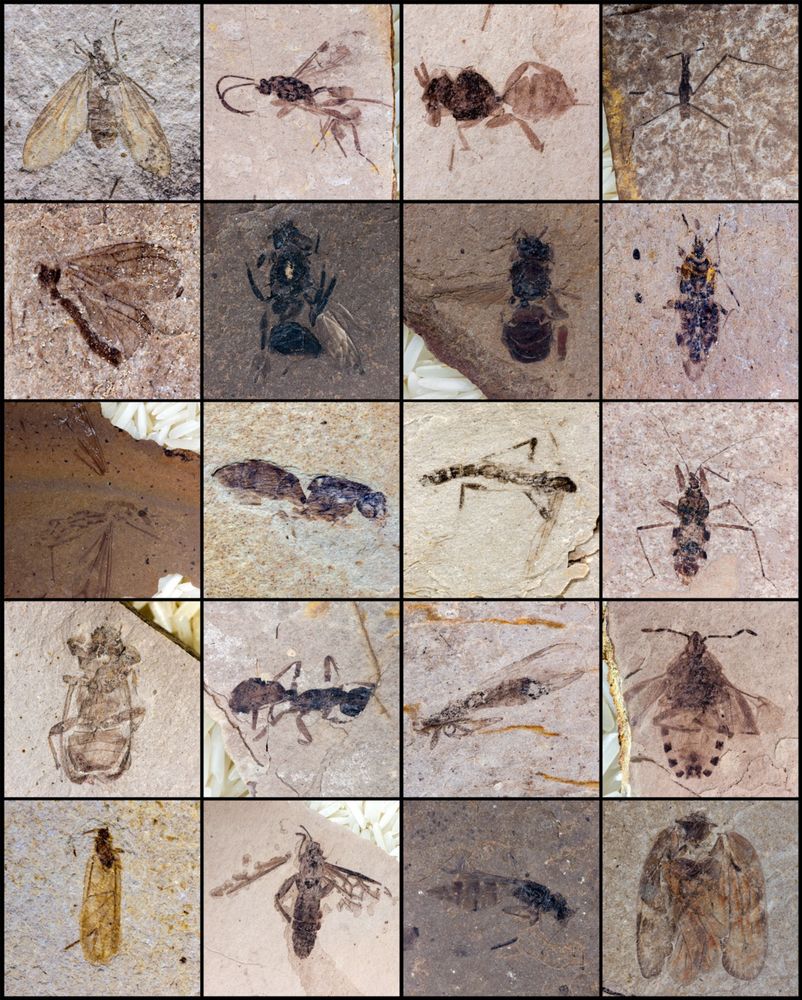
A collection of Eocene insects from the Allenby Formation. Present in this photo are examples of March Flies, Craneflies, Fungus Gnats, Beetles, several types of wasps, Sawflies, ants, Shield Bugs, Water Striders, Assassin Bugs, Froghoppers (spittle bugs) and a few indeterminate insects.
A small selection of some of the #insect #fossils I’ve collected from the lacustrine deposits of the #Eocene aged Allenby Formation that outcrops in and around Princeton, British Columbia.
#PaleoSky #FossilFriday #Palaeontology #Paleontology #BCfossils
05.07.2025 23:14
👍 61
🔁 13
💬 1
📌 0
Happy to clear that up for you. I only wish the original photo I took was better.
19.06.2025 21:17
👍 0
🔁 0
💬 0
📌 0
The website photo is the prepared specimen. The low resolution photo made in 1993 is an out of focus image of the specimen as found. Unfortunately the focus in that image made on slide film was completely off, as there is no instant feedback when using a film camera. Imagine my disappointment.
19.06.2025 18:50
👍 1
🔁 0
💬 1
📌 0


A photo I took of an enigmatic looking #fossil (Aysheaia pedunculata) 32 years ago at the Burgess Shale (Middle #Cambrian) and the same specimen after being prepped, as it appears on the Royal Ontario Museum’s Burgess Shale website.
#PaleoSky #FossilFriday #Palaeontology #Paleontology #Lobopodia
18.06.2025 22:58
👍 40
🔁 9
💬 2
📌 0

The arthropod Leanchoilia superlata overlaying the “claw” and mouth parts of the lobopod Anomalocaris canadensis. These beautiful fossils are preserved with pyrite and contrast well against the dark shale.

Three specimens of the arthropod Leanchoilia superlata on a slab of shale.
Two slabs of shale, containing #fossils of the #arthropod Leanchoilia superlata, that were excavated by the Royal Ontario Museum (ROM) crew, at the Middle #Cambrian Burgess Shale, led by Des Collins in 1993. Photos made using a #NikonF2 #35mmfilm
#PaleoSky #FossilFriday #Palaeontology #Paleontology
13.06.2025 20:55
👍 61
🔁 15
💬 0
📌 2

Wiwaxia corrugata is a stem mollusc in the unranked clade Halwaxiida.
In 2002 I made a second visit to the Burgess Shale in Yoho National Park. While in the Walcott Quarry as part of a guided tour, the guide showed us this Wiwaxia corrugata #fossil that had been found by a visitor earlier in the season.
#PaleoSky #Palaeontology #Paleontology #FossilFriday #Cambrian
11.06.2025 22:06
👍 49
🔁 10
💬 0
📌 0


It’s #trilobitetuesday!
A pair of photos of a nice example of Olenoides serratus I took back in 1993 while visiting the Burgess Shale in Yoho National Park. Shot on expired slide film using my Nikon F2 and a 55mm macro lens.
#PaleoSky #FossilFriday #Palaeontology #Paleontology #Cambrian #NikonF2
10.06.2025 17:04
👍 34
🔁 10
💬 0
📌 1


Two specimens of Ptychagnostus praecurrens at the top right of the slab. Preserved along with two partial tubes of the priapulid worm Selkirkia columbia.
Ptychagnostus praecurrens is the most common Middle #Cambrian agnostid #trilobite from the Burgess Shale of BC’s Yoho National Park. Specimens of Ptychagnostus praecurrens typically reach 8-10mm in length.
#FossilFriday #TrilobiteTuesday #PaleoSky #Palaeontology #Paleontology
06.06.2025 21:16
👍 5
🔁 2
💬 0
📌 0


Examples of the Middle #Cambrian #trilobite Olenoides serratus from the Burgess Shale.The nearly complete specimen was acquired at the BC Gem and Mineral Show in Chilliwack. The others are from a Rock and Gem shop in Burnaby.
All are from old collections
#TrilobiteTuesday #FossilFriday #PaleoSky
05.06.2025 21:28
👍 16
🔁 4
💬 0
📌 0


For #trilobitetuesday two specimens of Ogygopsis klotzi from my collection. These Burgess Shale #fossils came from old collections made on Mt. Stephen in Yoho National Park. Prior to the 1970’s it was fashionable to collect fossils in the park. A practice that is now illegal.
#FossilFriday #PaleoSky
03.06.2025 21:54
👍 7
🔁 4
💬 0
📌 0


Marrella splendens is an iconic Middle #Cambrian #fossil and the most common genus found in the Burgess Shale, located in Yoho National Park, British Columbia, Canada.
Discovered by Charles Walcott, in 1909, he referred to them as “lace crabs” in his field notes.
#PaleoSky #FossilFriday #Cambrian
25.05.2025 01:10
👍 39
🔁 11
💬 0
📌 1

A photo of 8 Pterocephalia trilobite fossils of various sizes illustrating their size range. The top left piece in the photo contains a tiny Pterocephalia measuring 7mm in length along with two even tinier Labiostria westropi trilobites.
The large piece at the lower right in the photo is a pygidium (tail) from what would have been a very large specimen. The pygidium measures 75mm across.

Closeup photo of the top left piece in the first photo.
The largest trilobite (Pterocephalia indet. species) measures 7mm in length.
A selection of Upper #Cambrian Pterocephalia #trilobite fossils from the #McKayGroup of Southeastern BC, Canada. Note the size range of the specimens. The top left specimen is 7mm long. The lower right specimen (a pygidium) is 75mm across.
#PaleoSky #TrilobiteTuesday #FossilFriday #Palaeontology
20.05.2025 19:53
👍 5
🔁 3
💬 0
📌 0
Wow, such a great image!
17.05.2025 05:37
👍 1
🔁 0
💬 1
📌 0

A perfectly preserved Stiletto Fly (Therevidae) in #Miocene amber from the Dominican Republic.
From my personal collection.
#PaleoSky #FossilFriday #Palaeontology #Paleontology #Fossil #FossilCollecting #FossilCollector
16.05.2025 20:46
👍 13
🔁 3
💬 0
📌 0

Agnostotes orientalis (length = 13mm).
Note the shape of the deuterolobe (axial lobe of the pygidium). The margins of that lobe are angular.

Agnostotes weugi (length = 11.5mm).
Note the rounded margins of the pygidial deuterolobe (=axil lobe of the pygidium).
Agnostotes orientalis & Agnostotes weugi are similar looking agnostids from the Upper #Cambrian (Furongian) #McKayGroup of Southeastern British Columbia. It’s thought that A. weugi may have originated from the slightly older A. orientalis.
#PaleoSky #TrilobiteTuesday #Palaeontology #Paleontology
13.05.2025 21:51
👍 2
🔁 0
💬 0
📌 0
I’m excited to hear the announcement!
10.05.2025 01:24
👍 1
🔁 0
💬 0
📌 0
Is this the news that Jean-Bernard Caron hinted at during his ROM talk last week?
10.05.2025 00:13
👍 1
🔁 0
💬 1
📌 0
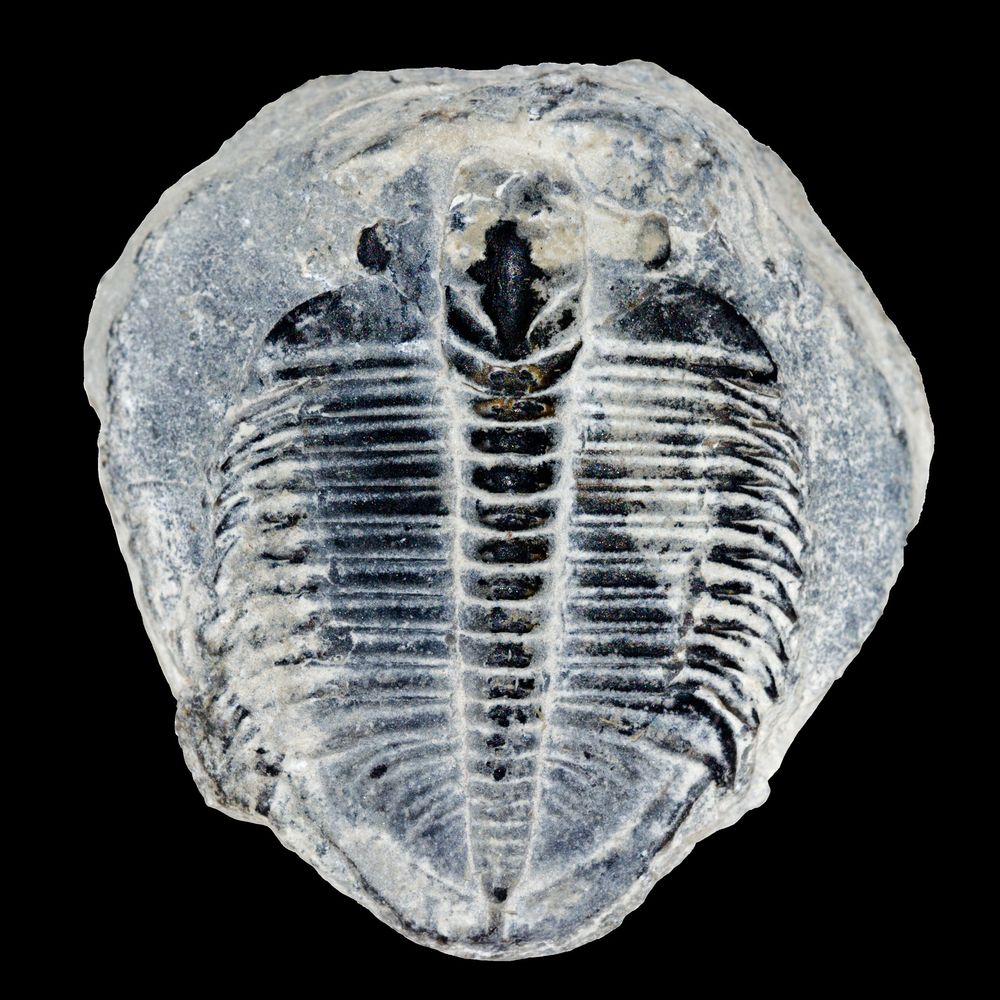
Proceratopyge canadensis
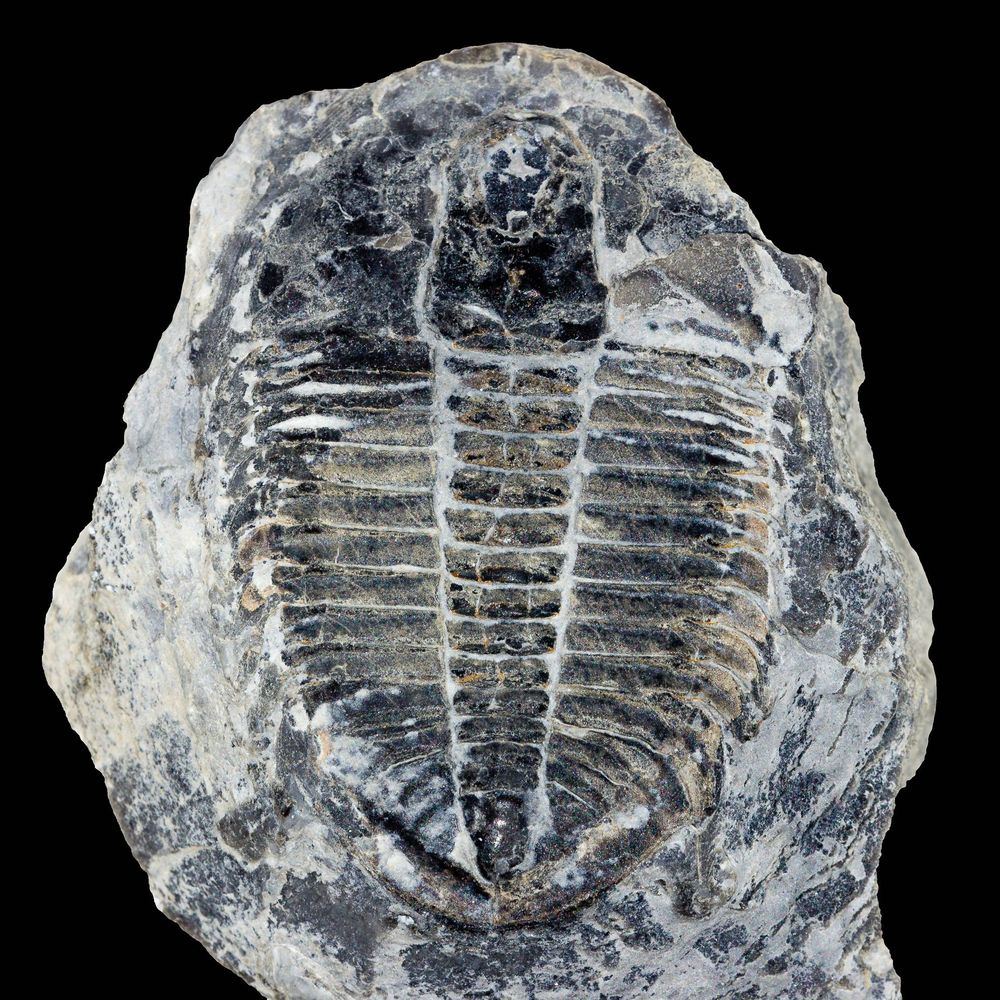
Proceratopyge rectispinata
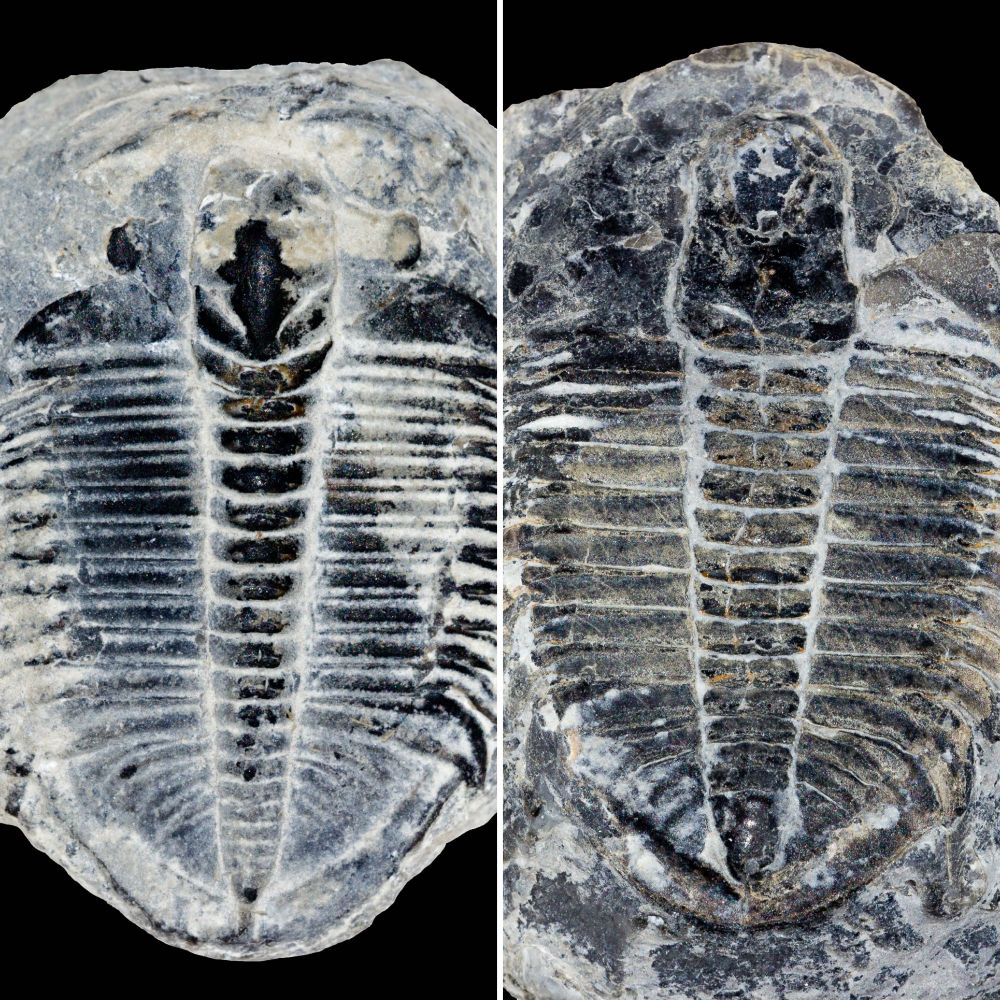
Note the diffences between the axial lobes, glabella shape and glabellar furrows. Proceratopyge canadensis (left) and Proceratopyge rectispinata (right)
Proceratopyge canadensis and Proceratopyge rectispinata are similar species of #trilobites from the Upper #Cambrian #McKayGroup of S.E. British Columbia. Both occur in the Wujiajiania lyndasmithae Subzone of the Elvinia Zone.
#TrilobiteTuesday #FossilFriday #Palaeontology #Paleontology #PaleoSky
06.05.2025 21:07
👍 6
🔁 3
💬 0
📌 0

Miocene Halictid Bee in amber from the Dominican Republic

Proplebia doominicana is a stingless bee
Now that it’s getting warmer out, it’s Bee season.
These tiny bees preserved in #amber once pollinated flowers 15-20 million years ago, during the #Miocene Epoch, in what is now the Dominican Republic.
Specimens from my collection.
#FossilFriday #PaleoSky #Palaeontology #Paleontology
02.05.2025 03:27
👍 9
🔁 1
💬 0
📌 0

It’s #trilobitetuesday again so here’s another Upper #Cambrian #trilobite from Southeastern British Columbia’s #McKayGroup. This one is Orygmaspis doriansmithi. Length = 6mm.
#FossilFriday #PaleoSky #Palaeontology #Paleontology #fossil #fossils #FossilCollecting #InvertebrateFossil
30.04.2025 04:14
👍 17
🔁 4
💬 1
📌 0


