
Thank you, Arno @arnovanhootegem.bsky.social , for your excellent work on this👍
11.02.2026 10:02
👍 2
🔁 0
💬 0
📌 0
Thank you, Arno @arnovanhootegem.bsky.social , for your excellent work on this👍
Many thanks to Evelyn and Patrick @ppraeg.bsky.social for the great work, it was quite a ride🫶👋
🔍 ...a new analysis by @dafnoukos.bsky.social, @a-gugushvili.bsky.social and Tim Vlandas shows that the experience of class decline is a more powerful predictor among a key segment of far-right voters
Great research and great fun in our international team awaits you!
If you have any informal questions about the team, feel free shoot me a message.

In light of International Overdose Awareness Day #IOAD2025, read about the effects of college education on indicators of deaths of despair including hard drug use: bit.ly/3HEMC3j
By Grzegorz Bulczak @a-gugushvili.bsky.social Jonathan Koltai
@asamedsoc.bsky.social @overdoseday.bsky.social
🔍 Related insights from Social Forces @sfjournal.bsky.social: Rolling out anti-discrimination laws across Europe did not reduce perceived disability discrimination—and among men, perceptions even worsened.
Laws without broader change = limited impact.
academic.oup.com/sf/advance-a...
Takeaway:
Anti-discrimination legislation is important, but not sufficient. Real progress for people with disabilities needs:
🔹 Stronger enforcement
🔹 Workplace accommodations
🔹 Broader cultural + structural change
What did change?
📊 We saw slight increases in voting + trust after disability-specific laws…
…but placebo tests suggest these trends were driven by broader societal shifts, not the legislation itself.
The Nordic model is praised for equality 🌍✨.
But our analysis shows that even strong anti-discrimination laws haven’t closed disability gaps in:
⚖️ Institutional trust
💼 Employment
🙂 Life satisfaction
➡️ Laws alone are not enough.

🆕 Out in Social Science & Medicine with @gruelig.bsky.social:
Do anti-discrimination laws improve the lives of people with disabilities in the Nordics? 🇩🇰-🇫🇮-🇳🇴-🇸🇪
👉 Our study finds little evidence of impact on well-being, trust, jobs, or income.
🔗 www.sciencedirect.com/science/arti...

⚖️ As leaders debate peace terms, domestic opinion might shape what’s politically acceptable. My article shows European views are fractured, raising doubts about a united European front www.tandfonline.com/doi/full/10....
📰 Who you are + what you follow matters:
Close news followers = more likely to expect 🇺🇦-favorable outcomes.
Disengaged = more pessimistic/uncertain.
Far-right sympathies = more acceptance of outcomes favoring 🇷🇺.
🌍 Regional divides:
🇩🇰 🇫🇮 🇬🇧 → More skeptical of outcomes rewarding 🇷🇺, shaped by history + security concerns.
🇦🇹 🇪🇸 → More acceptance of concessions, linked to neutrality + economic ties.
Europe is far from united on how the war will end.
📊 Optimism for a full 🇺🇦 victory is modest:
🇬🇧 10%
🇫🇮 6%
🇦🇹 3%
🇪🇸 4%
Most expect either a compromise or a frozen conflict. This gap between public expectations and political ambitions matters for peace talks.
🇺🇸-🇺🇦-🇪🇺 As Trump meets Zelensky + European leaders today to discuss ending Russia’s war, it’s important to know: European citizens themselves see the war’s end very differently. My new study in @jei-publication.bsky.social explores these divides 👉 shorturl.at/Mw8KE

4/
Why does this matter? Because how we remember the past shapes how we see leaders today. This isn’t just about history, it’s about how people across Europe understand today’s threats. 📖 Read more: doi.org/10.1080/2374...

3/
The more people follow news about the war or think it’s a big global threat, the more they see Putin and Stalin as similar. Those who support far-right parties, especially in Austria, are much less likely to make the comparison.

2/
Finns and Danes are much more likely to say Putin is “Stalin-like,” probably because of their history with the Soviet Union and how close they are to Russia. Meanwhile, people in Austria, Spain, and the UK are more on the fence.
🧵1/
What do Europeans think: does Putin resemble Stalin? In my new article, I look at how people in 5 countries compare the two leaders, and what shapes these views: history, politics, the media, and the war in Ukraine.
🔗 doi.org/10.1080/2374...
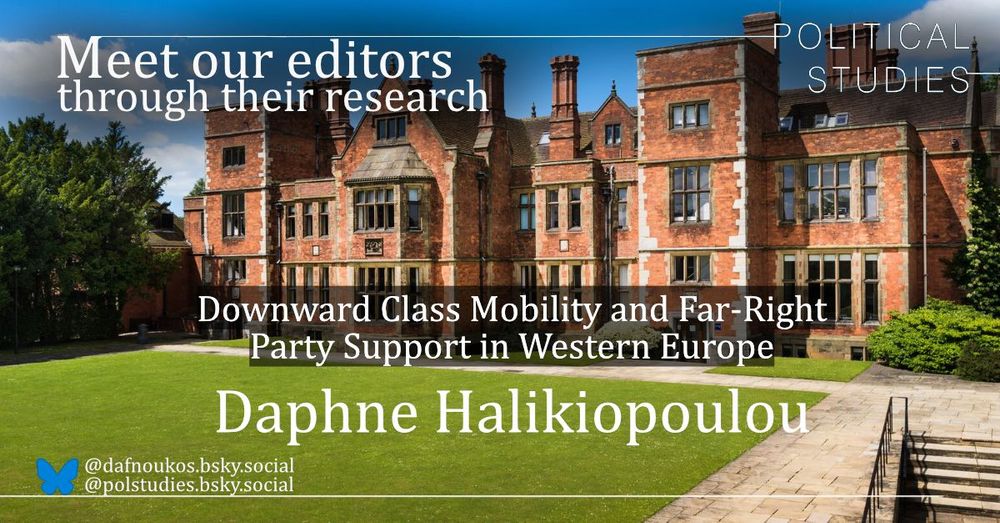
Is downward class mobility linked to far-right party voting and how? @dafnoukos.bsky.social, @a-gugushvili.bsky.social & Tim Vlandas argue it significantly affects far-right voting but only under specific conditions. Read OPEN ACCESS in @polbehavior.bsky.social: buff.ly/Cljvggt
🧵 1/2
@sociusjournal.bsky.social
With @gruelig.bsky.social
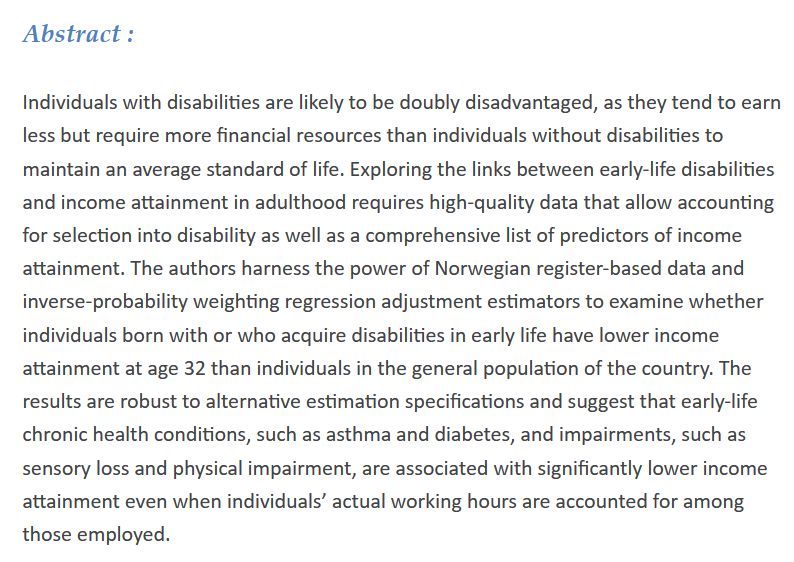
2⃣ By age 32, individuals with or who developed these conditions earn notably less than their peers, even after accounting for actual hours worked. This highlights persistent economic disparities tied to early-life health

1⃣ Published in Socius: we analyze Norwegian registry data to examine how early-life chronic conditions and disabilities (asthma, diabetes, sensory loss, physical impairments) influence earnings in adulthood. Read more: doi.org/10.1177/2378...
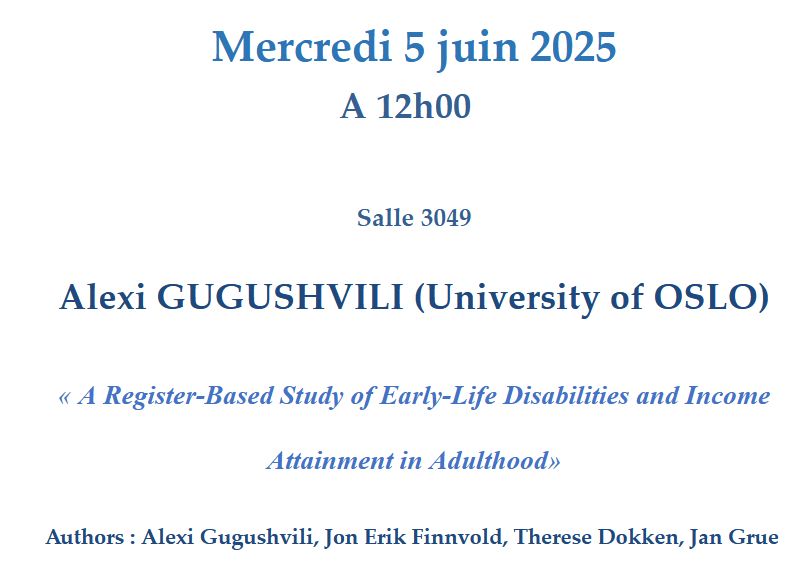
THIS THURSDAY, 12:00 Paris time at the CREST Sociology seminar: @a-gugushvili.bsky.social! Come out to Palaiseau or join us on-line: zoom.us/j/9482848830...
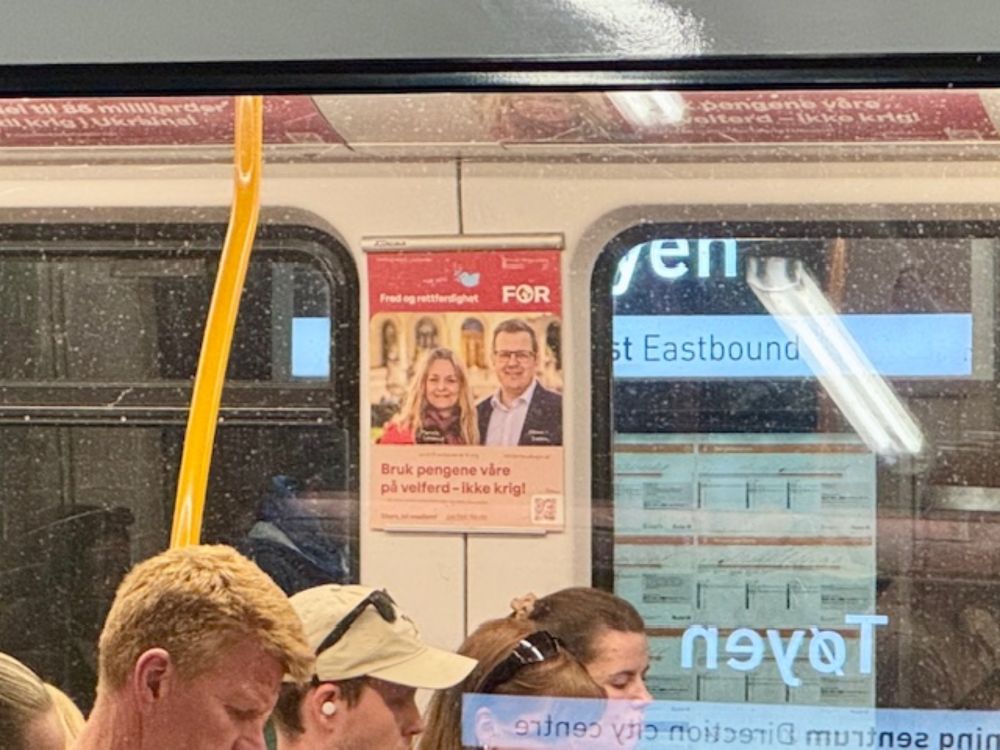
As part of its ongoing war, Moscow has set up another political party in Norway, aiming to divide and conquer the minds of gullible Europeans. The Party for Peace and Justice (FOR), which is supposedly left-wing, is calling for an end to military aid for Ukraine and is financed by dubious donations.
How and why actual class decline leads to far-right party support: our new blog post for @lseeuroppblog.bsky.social with @a-gugushvili.bsky.social and Tim Vlandas, based on our Political Behavior article blogs.lse.ac.uk/europpblog/2...
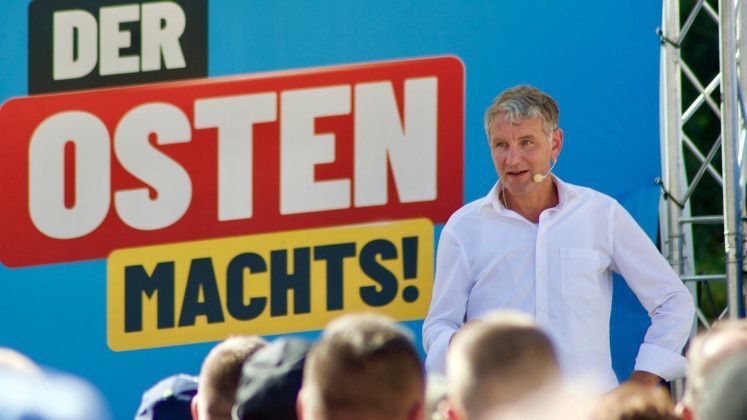
Does class decline lead to increased support for far-right parties?
New research from @a-gugushvili.bsky.social @dafnoukos.bsky.social & Tim Vlandas @polbehavior.bsky.social
5️⃣ Policy call, if any 📢🏛️: Instead of prescribing marriage as a health cure, invest in social & economic support for single adults. Everyone deserves a fair shot at long life. 🌱❤️
4️⃣ Take‑home: the storied “marriage‑protection effect” could be mostly selection bias. Health & longevity might stem from shared background, not the ring. 🪄🚫💍