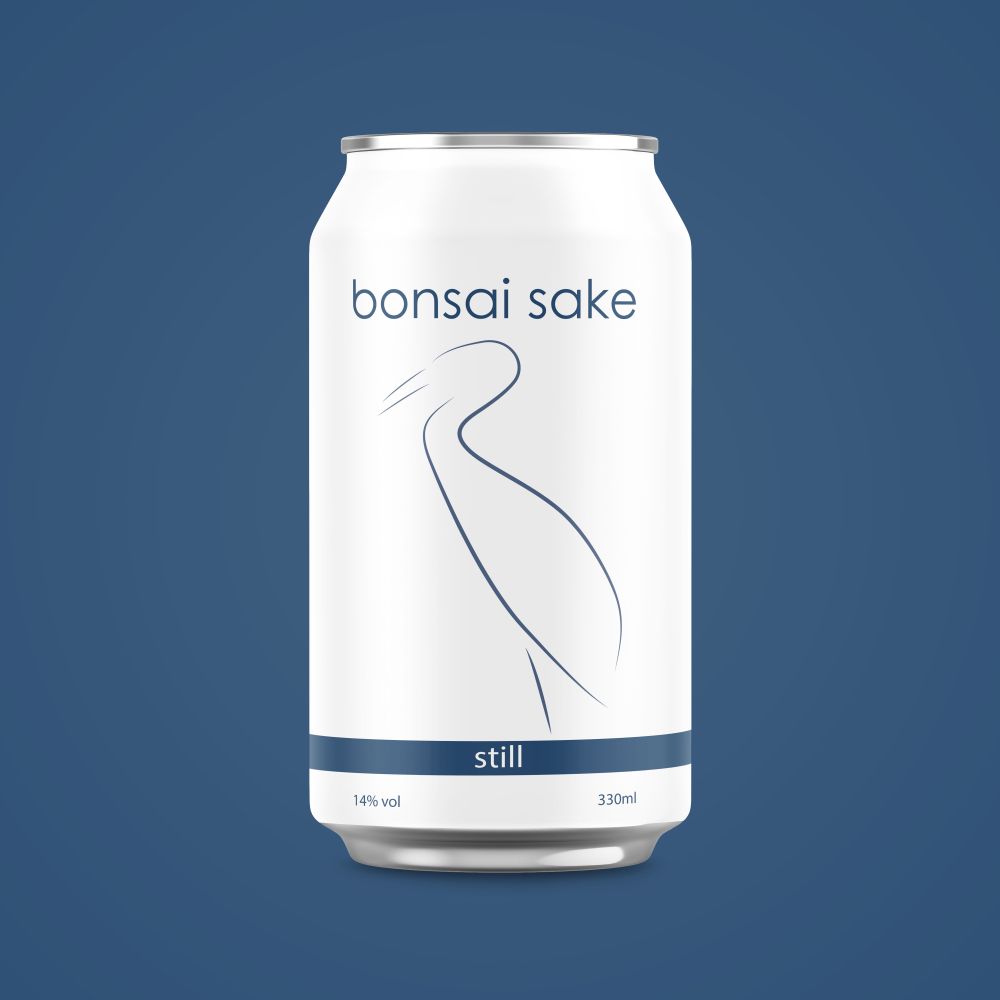
60kg of rice ordered this morning.
Still working through the niggles with getting a license to brew and sell on this small a scale, but it's getting there so we're getting ready.
06.03.2026 10:29
👍 2
🔁 0
💬 0
📌 0

A glass with a murky white liquid in it.
The sake looks murky, but the aroma and flavour are superb. The mouthfeel is a little creamy to start with, but there's also a lot of fizz too, so it's definitely still fermenting.
30.06.2025 12:16
👍 2
🔁 0
💬 0
📌 1

A sample of mashed rice.

A hydrometer in a sample jar that's full of a pale, murky white liquid.
The rice in our latest test batch is now almost pure smooth mush, and the gravity reading is about 1.011.
But there is still active fermentation happing, so we're going to leave it a while longer.
Can't rush these things.
30.06.2025 12:14
👍 2
🔁 0
💬 1
📌 0
That's the Moromi (final fermentation batch) in the fermenter.
You can probably hear the chiller unit struggling to keep up in this heat (it's 25c outside!)
14.06.2025 14:25
👍 0
🔁 0
💬 0
📌 1

An amount of gloomy rice sat in the bottom of a stainless steel fermenting vessel with stainless cooling coils in the middle.
That's our Tomezoe into a cooled fermenter.
Currently only cooling the air, but in a couple of days when we add the Moromi it'll mostly fill this 50l vessel.
Unless you've ever smelled fermenting sake, you can not believe how gorgeous the aroma is!
12.06.2025 08:55
👍 1
🔁 0
💬 0
📌 0

A photo of sake fermenting.
This is the first/starter part of the brew, having sat at 24c for a week, and just before more rice and koji were added.
This smells amazing.
10.06.2025 08:02
👍 4
🔁 0
💬 0
📌 0
During this time the koji will start converting the rice to sugars to feed the yeast, letting it slowly build up and not stressing either the kojinor the yeast.
As we go on we'll add more koji and more rice.
04.06.2025 09:38
👍 1
🔁 0
💬 0
📌 0

Then we stir in 575ml of water and our yeast before popping it back into the incubation chamber with is now acting as a warm room set to 24c where we'll leave it for a week.
04.06.2025 09:37
👍 2
🔁 0
💬 1
📌 0

Now we mix in the steamed rice with with 115g of our koji.
04.06.2025 09:30
👍 1
🔁 0
💬 1
📌 0

Now the rice is steamed we let it cool down for a bit.
We want it to be about 25c to 30c
04.06.2025 09:16
👍 2
🔁 0
💬 1
📌 0

And now we pop it in the steamer for just over an hour.
04.06.2025 08:15
👍 1
🔁 0
💬 1
📌 0

We've rinsed and soaked 340g of premium sushi rice (can't get sake rice so have to make do for this batch).
Same rinse and soak method as for the koji.
04.06.2025 08:14
👍 1
🔁 0
💬 1
📌 1
Yesterday we finished the steps to make our koji, so today we start on the sake!
04.06.2025 08:13
👍 1
🔁 0
💬 1
📌 0
Mostly by help from @erwinh.bsky.social 🤣
03.06.2025 17:30
👍 2
🔁 0
💬 0
📌 0

And after 53 hours of innoculation we now have enough koji for a 50l batch of sake.
It's possibly gone a little far, which is why there's a yellow tint to it, but that's likely down to the humidity issues I was having.
03.06.2025 16:04
👍 3
🔁 0
💬 1
📌 0
I knew little to nothing about biochemistry before starting brewing, and have learned so much since!
03.06.2025 09:12
👍 0
🔁 0
💬 1
📌 0
(deleted first reply as I misunderstood your post 🤣)
From what I can understand, you get heat generation at a small scale as well as large scale.
With fermentation it changes depending on scale, but doesn't seem to with innoculation.
03.06.2025 09:00
👍 0
🔁 0
💬 1
📌 0
...I could barely see the rice grains and koji on them so had to try and take an in-focus close up photo to check on progress 🤣
03.06.2025 07:48
👍 0
🔁 0
💬 0
📌 0
My innoculation chamber *really* needs some dehumidifier set up. It's currently got a humidifier in there, but that was only really in use for the first few hours, since then I've been having to prop the door open occassionally to keep the humidity down.
My eyesight is really getting bad as...
03.06.2025 07:48
👍 0
🔁 0
💬 1
📌 0
Things I learned from this:
The rice/spore mix doesn't generate heat anywhere near as fast as the literature says. It's doing so now, but really didn't for the first day or so.
03.06.2025 07:48
👍 0
🔁 0
💬 2
📌 0
We're now 44 hours into innoculation, and we'll check it again in another 4 hours to see if it's time to remove the trays from the incubation chamber and put them into the fridge to stop any further, unwanted growth before we then use this to make sake!
03.06.2025 07:43
👍 1
🔁 0
💬 1
📌 0

Looking at the rice this morning, and we have koji!
03.06.2025 07:40
👍 2
🔁 0
💬 1
📌 0

18 hours sat in the inoculation chamber at 30c and 85% humidity, and we take the trays out to give the rice a good mix.
02.06.2025 05:00
👍 5
🔁 0
💬 1
📌 0

Time to mix the spires in, then into the inoculation chamber it goes for 18 hours!
01.06.2025 11:07
👍 6
🔁 0
💬 1
📌 0

That's the first batch of steamed rice now spread out and cooling.
We want to get this down to about 40c before adding our spores.
01.06.2025 09:30
👍 1
🔁 0
💬 1
📌 0

And as it streams, we get the incubation chamber up to humidity and temperature.
01.06.2025 08:39
👍 2
🔁 0
💬 1
📌 0

Now to steam the rice (in two batches as it's a lot of rice)
01.06.2025 08:38
👍 1
🔁 0
💬 1
📌 0

And now we leave it to soak for just over an hour.
01.06.2025 07:03
👍 1
🔁 0
💬 1
📌 0

The first step is to gently rinse the rice.
01.06.2025 06:47
👍 1
🔁 0
💬 1
📌 0