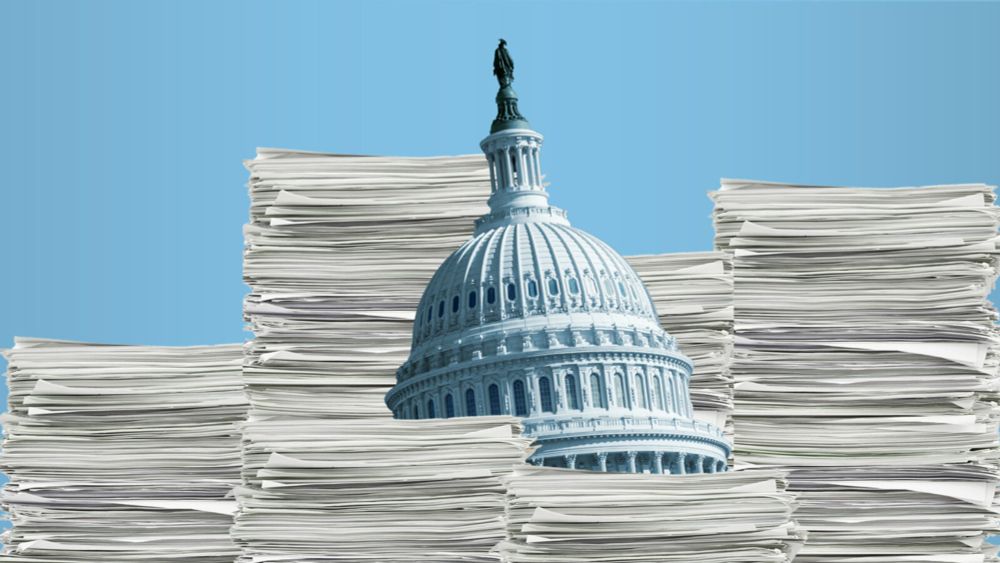
While cuts to climate and energy programs were less harsh than the President proposed, the admin continues to attack this funding. Congress must continue to step up and protect funds for climate action.
12.02.2026 16:42
👍 1
🔁 0
💬 0
📌 0
While the DHS bill is being debated, we're tracking important language included on FEMA: e.g., penalties if there are delays in processing reimbursement requests + a public dashboard tracking reimbursements requests. We'll keep a look out for these protections in the final bill.
12.02.2026 16:42
👍 0
🔁 0
💬 1
📌 0
Given the Trump admin's actions of delaying + cancelling funds, Congress added protections on appropriations for some programs, e.g. requiring 90% of LIHEAP grant funding must be awarded by Nov. 1 + for DOT to at least provide notice to Congress before terminating an existing award.
12.02.2026 16:42
👍 0
🔁 0
💬 1
📌 0

EV buyers may see fewer chargers if funds are cut by Congress
Congress is considering legislation that would eliminate $879M appropriated for electric vehicle chargers. Here's what that means for drivers.
EPA’s budget was cut by over $300m from FY25. For DOT, unobligated funds for EV charger deployment + other IIJA programs have been transferred to the Highway Infrastructure Program, taking $ away from states building out their EV charging infrastructure: www.usatoday.com/story/cars/n...
12.02.2026 16:42
👍 0
🔁 0
💬 1
📌 0

What it means to cut the Office of Clean Energy Demonstrations
OCED has enjoyed bipartisan support, and fills a critical gap in the American technology ecosystem.
Major cuts to key DOE offices: Clean Energy Demonstrations zeroed out + $300M in cuts vs 2025 to Energy Efficiency and Renewable Energy (EERE). Significant funding from EERE + unobligated IIJA balances is being transferred to nuclear energy programs. www.latitudemedia.com/news/what-it...
12.02.2026 16:42
👍 0
🔁 0
💬 1
📌 0
Recently, Congress passed an approps package that funds all the govt, minus DHS. Overall FY26 funding is higher than the Trump admin proposed, but there were still significant cuts for climate and environmental programs. Here’s what we’re tracking:
12.02.2026 16:42
👍 1
🔁 2
💬 1
📌 0

Historical and projected combined ICE and CBP money. Tons of additional money from BBB.
Congressional Republicans gave Trump a slush fund for ICE and CBP in the "Big Beautiful Bill." Tens of billions of dollars that is still usable even during a shutdown.
Democrats must make rescinding that money the price of any future govt funding, as Republicans did with IRS money from the IRA.
25.01.2026 16:36
👍 3532
🔁 1109
💬 50
📌 94
In the wake of another horrific shooting death in MN by federal immigration officers -on top of wrongful detentions, violence, & fear there & across the country- it is appropriate for the Senate to use the budget process to push for critical protections for people & communities.
25.01.2026 15:52
👍 34
🔁 22
💬 1
📌 3

Energy prices + burden are rising across the US but are more severe for certain communities. In our new paper, @rachelijacobson.bsky.social + I discuss how state advocates can address energy affordability while advancing clean energy during 2026 legislative sessions: www.cbpp.org/research/cli... !
21.01.2026 19:26
👍 4
🔁 3
💬 0
📌 0

TWO new pieces from me + @rachelijacobson.bsky.social
on pre- & post-disaster funding are out today! First is a paper on how states can use these funds for climate resilience, with an interactive map on disaster costs + a history of disaster funding programs: www.cbpp.org/research/cli...
19.11.2025 17:01
👍 2
🔁 0
💬 1
📌 1
Some states have already pushed the start of their LIHEAP programs because of the shutdown, meaning some families will be vulnerable to being disconnected from their utilities - learn more about what's happening and what you can do to help from my colleague @rachelijacobson.bsky.social
27.10.2025 15:49
👍 6
🔁 1
💬 0
📌 0
If the shutdown doesn’t end before nov 1, LIHEAP will be in trouble. States should increase shutoff protections.
27.10.2025 14:41
👍 2
🔁 2
💬 0
📌 1

Where did billions in climate and infrastructure funding go? Search our map by ZIP code.
From clean energy projects to bridges, this interactive tool shows what projects lawmakers announced in your neighborhood.
Of the $8b cut, over 85% of DOE cuts are to projects in districts held by Democrats, despite over 60% of all IRA & IIJA grant awards covering single districts (vs. state/regional projects) going to Republican-held districts. grist.org/accountabili...
21.10.2025 18:45
👍 1
🔁 0
💬 1
📌 0

Trump Targets Democratic Districts by Halting Billions During Shutdown
The Trump administration has frozen or canceled nearly $28 billion primarily located in Democratic-led districts, according to an analysis by The New York Times.
The Admin continues to pause + cancel climate & energy funding, mostly in Dem-held districts. Early in the shutdown, they cut ~$8b in DOE grants, incl. for improving grids, reducing emissions & supporting heat pump manufacturing. More cuts may be coming: www.nytimes.com/interactive/...
21.10.2025 18:45
👍 8
🔁 2
💬 2
📌 0

Elective Pay & IRA Tax Incentives — Lawyers for Good Government
Elective Pay and IRA Tax Incentives Resources Page
Still, local and state govs, nonprofits & schools should consider leveraging the credits while they exist. Tons of great resources can be found from our partners at L4GG: www.lawyersforgoodgovernment.org/elective-pay...
15.09.2025 16:16
👍 0
🔁 0
💬 0
📌 0
The new rules block larger solar projects (>1.5 MW) and ALL wind projects from using the 5% safe harbor. They can use the significant work test, but this is a higher burden & could prevent projects from meeting the new beginning of construction deadline.
15.09.2025 16:16
👍 0
🔁 0
💬 1
📌 0

DocSend - Simple, intelligent, modern content sending
DocSend helps you communicate more effectively by telling you what happens to content after you send them and letting you keep control in real time.
Under the old guidance, projects could satisfy 1 of 2 tests. Most projects used the "5% safe harbor,” which considers projects “started” if they have incurred at least 5% of the total project cost (e.g., purchasing solar panels). l4gg.docsend.com/view/wgc43st...
15.09.2025 16:16
👍 0
🔁 0
💬 1
📌 0
To qualify for credits, solar & wind projects must begin construction by 7/4/26 (or be placed in service by the end of 2027). Longstanding Treas. guidance has clarified what it means to begin construction, but the new rules will make it harder, specifically for wind/solar.
15.09.2025 16:16
👍 0
🔁 0
💬 1
📌 0

Here’s How Much Money Biden Actually Spent From the IRA
When Congress rescinded unobligated funds from the historic climate law, it inadvertently answered a question climate advocates have been asking for months.
Since ~2/3 of IRA $ has been spent or contracted + can't legally (important word) be clawed back, its benefits will continue to be felt through funded projects. The Rs’ shortsighted cuts will limit this progress + increase energy burden + pollution. heatmap.news/politics/ira...
23.07.2025 14:33
👍 0
🔁 0
💬 0
📌 0
Billions in environmental justice are also cut: $1.7b from the Neighborhood Access & Equity Program + $333m from the Environmental & Climate Justice program. Both critical for funding for transportation, pollution reduction, and clean energy in front line communities.
23.07.2025 14:33
👍 0
🔁 0
💬 1
📌 0
CBO also shows $193m in cuts to NOAA funding for restoring and protecting coastal communities, as well as for climate research and weather forecasting ...all at a time when climate change-fueled disasters are becoming more frequent and severe.
23.07.2025 14:33
👍 0
🔁 0
💬 1
📌 0