My future archival work is already striving to be more attentive to it.
Anyway, I was in New Orleans to talk about *current* NOLA resident Harry Shearer with Rosa Eberly, et. al. It was fun. I sang and played the uke in a presidential parody of “All of Me.”
24.11.2024 23:48
👍 1
🔁 0
💬 1
📌 0
Now that I’ve walked the streets of what once was Storyville (JRM’s main haunt), touched grass and sacred ground in Congo Square, and endured the cacophony that is Bourbon St and the French Quarter, I question that decision. There’s nothing quite like the rhythms of place and space.
24.11.2024 23:48
👍 0
🔁 0
💬 1
📌 0
Because my research was on Morton’s sonic rhetoric—how he makes a musical argument for his profession as the “inventor” of jazz—I ultimately decided it wasn’t crucial to visit to the place where all that inventing went down: New Orleans.
24.11.2024 23:47
👍 0
🔁 0
💬 1
📌 0
Headed to the airport after a great #NCA conference and a cathartic experience in NOLA.
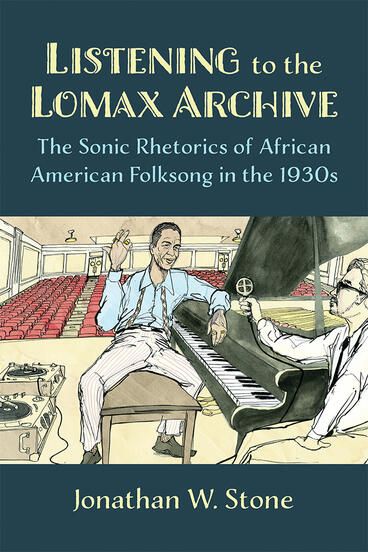
Why cathartic? Well, I wrote a whole chapter about early New Orleans jazz and Jelly Roll Morton in my Lomax book.
My focus was on his archived interview sessions with Alan Lomax at the Library of Congress.
1/
24.11.2024 23:47
👍 1
🔁 0
💬 1
📌 0