In clinical trials, we obsess over how we're getting the investigational drug to the patient.
What about the comparator?
16.07.2025 18:53
👍 1
🔁 0
💬 0
📌 0
In clinical trials, we obsess over how we're getting the investigational drug to the patient.
What about the comparator?
Two things are happening at once.
1. More ADCs are moving through pipelines than ever before.
2. More companies are using SUT.
That calls for extra vigilance, especially further downstream.
Those polymer tubes can leach harmful contaminants into exceptionally-low-AET product.
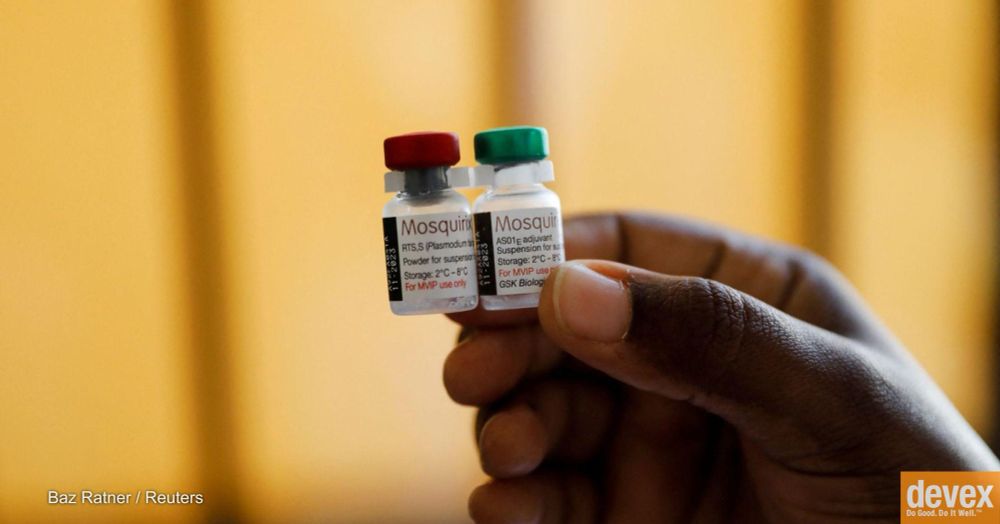
The price of the world’s first malaria vaccine, RTS,S, will be reduced by more than half — to less than $5 per dose in endemic countries by 2028, according to a commitment by drugmakers Bharat Biotech and GSK on Wednesday. www.devex.com/news/price-o...
Beginner gardener checking in from the eastern side of Zone 6, and I expect cracking will be especially tough to mitigate this year.
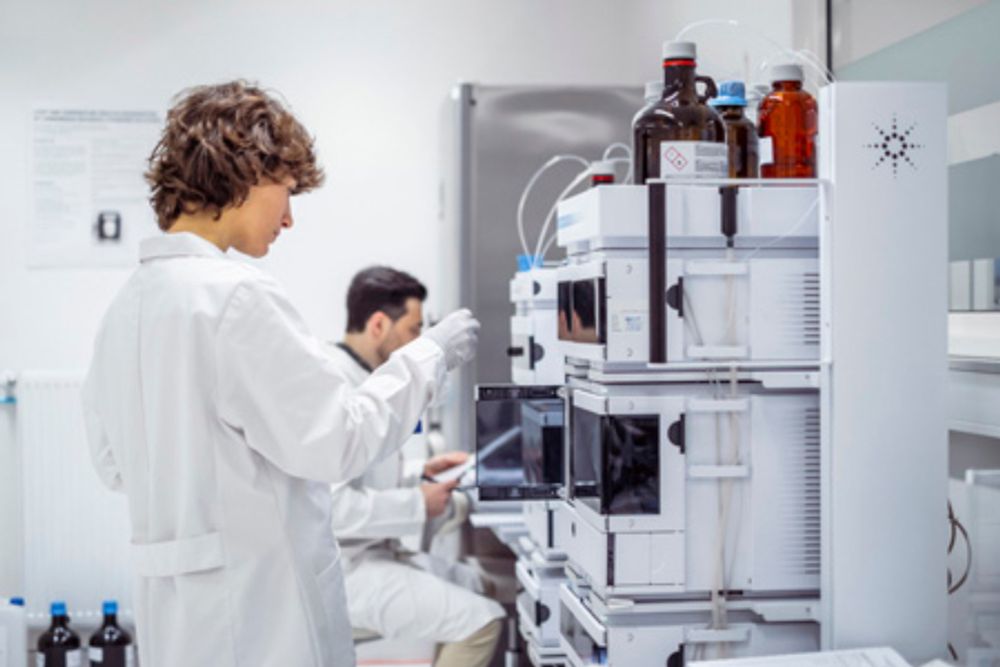
The biggest impediment to disrupting HCP/mAb binding during protein A chromatography?
Not a lack of science. It might be lousy cooperation.
One scientist tells us that IP considerations complicate a more robust understanding of buffer etc., to mitigate.
www.bioprocessonline.com/doc/ask-the-...
Some of you never read "If You Give a Mouse a Cookie," and it shows.
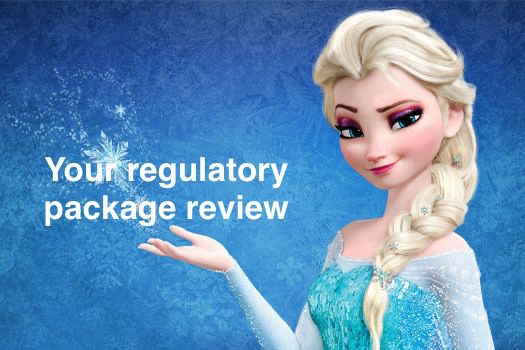
FDA named its new AI tool meant to accelerate the review process after a cartoon character who freezes everything she touches. I’m assuming this is a coincidence.

BREAKING: The United States' top health agency announces it will cut 10,000 jobs as part of a major restructuring plan.

This week, I learned about digital shadows 😶🌫️ the stepping stones between digital models and fully-functioning digital twins.
Lund's Daniel Espinoza writes about it for Bioprocess Online.
One scientist makes his plea for downstream bioprocessing hardware developers to build in open protocols.
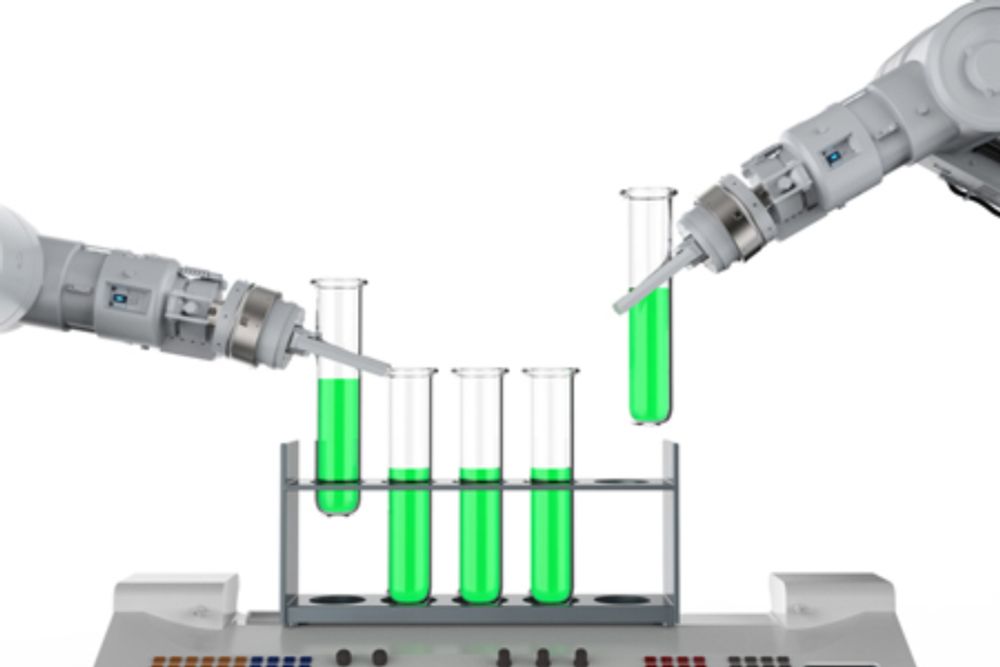
Apple and charging cables convinced me that brand lock-in is the only reason we can't standardize. But maybe that's true only for phones.
For pharma companies standardizing sample containers as they try to automate, Takeda's Adam Wolf offers another reason.
Recertifying new equipment is no fun.
Children stop being small after roughly nine to 10 years. Bummer. You almost made it.
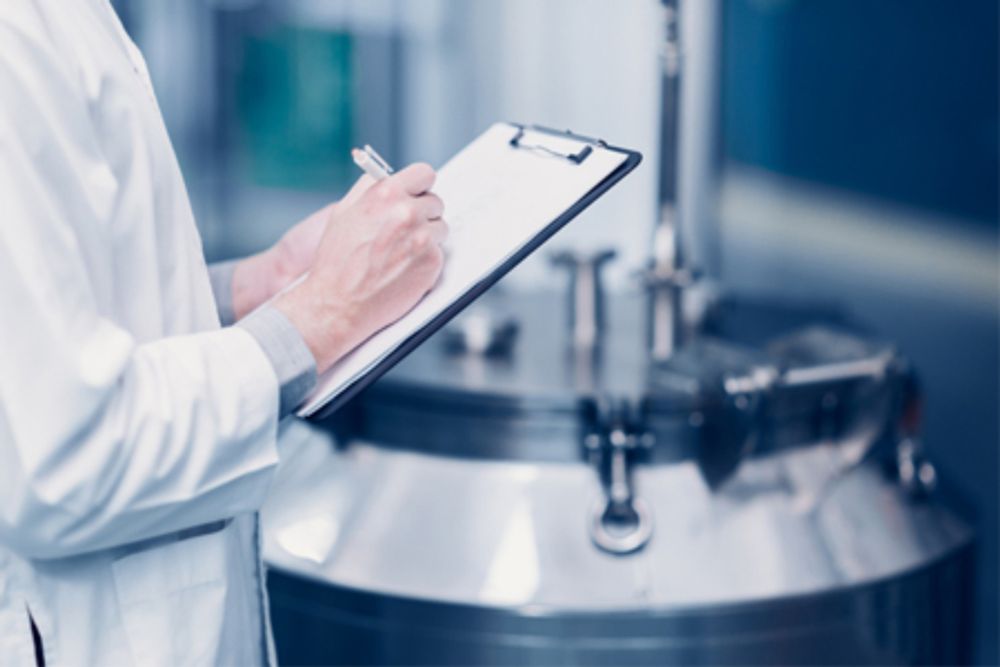
One day, the data auditors will come.
When they do, they won't just be looking at site-wide systems. They might dig into specific applications or even your vendors' systems. 🔍
Dr. Eva Kelly at ERA Sciences shares her list of the top 10 requests data integrity auditors are likely to make.

Digitalization implementation step 1: Get off paper
Chris Grail at Bayer suggests a process-by-process approach asking which ones can move away from paper records.
Inevitably, some processes will remain paper-based, but a digital archiving system can help ensure compliance.
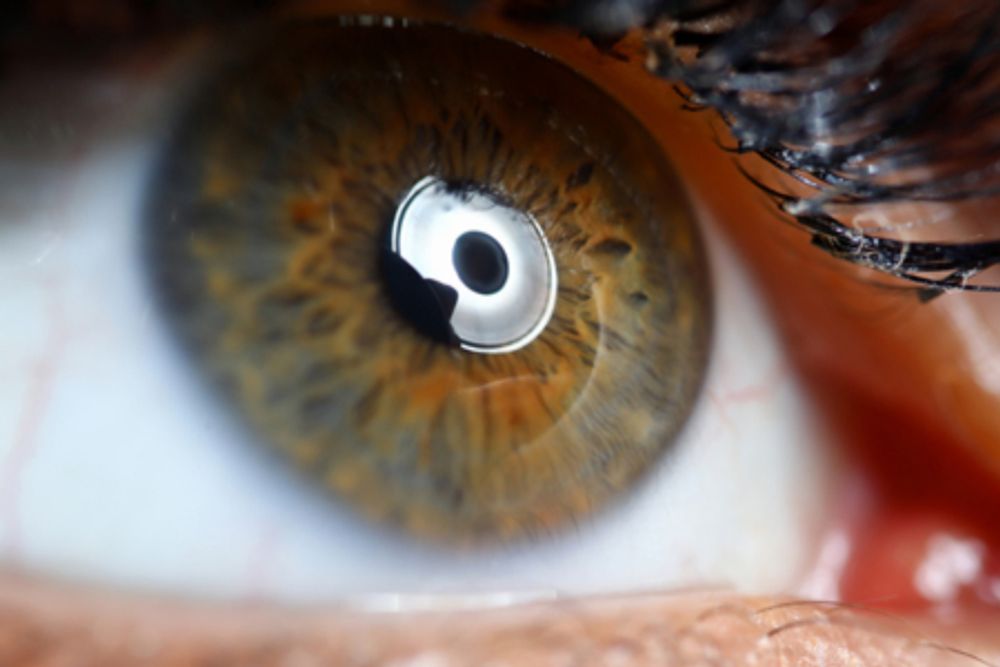
Atsena Therapeutics wants to overcome the limitations of AAV gene therapy for subretinal applications. It developed a novel capsid that's really good at targeting photoreceptors and spreads beyond the injection site.
Read more about it on Cell & Gene.
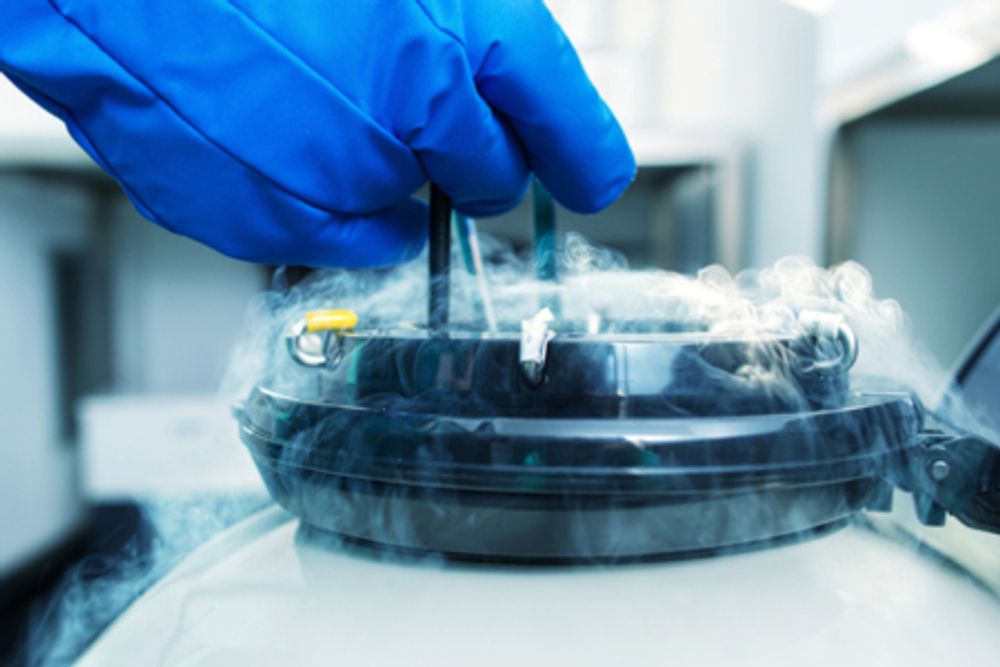
Dozens of factors determine whether allogeneic cell therapy makes it from the donor ➡️ processing facility ➡️ patient.
Temperature control is a big one. Broader use of cryopreservation could clean up many of the issues, says starting material expert Jenny Chain.
Read more on Bioprocess Online.
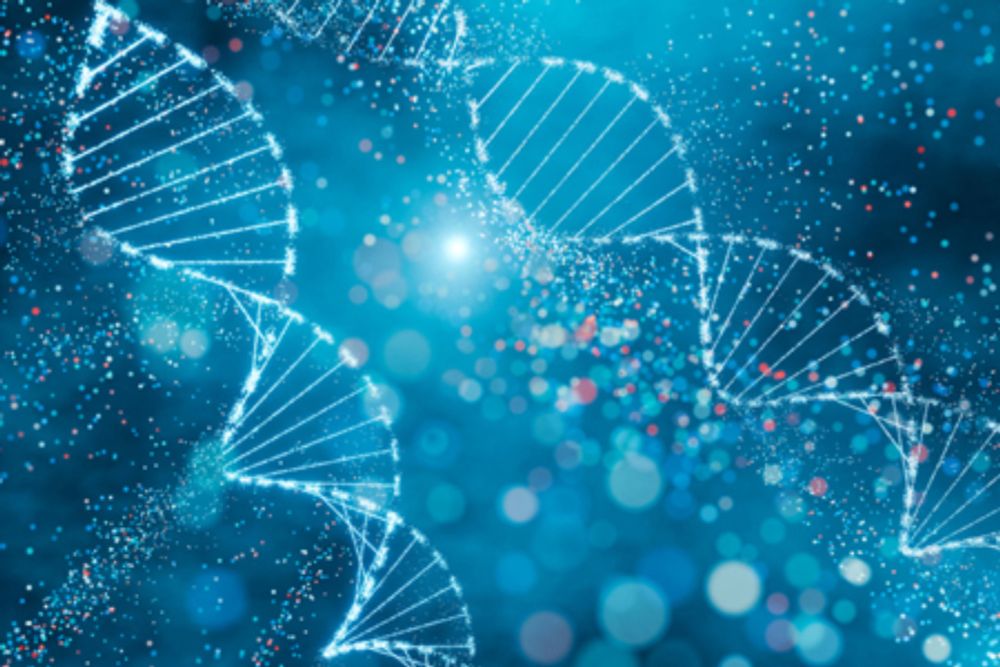
Impurities — one of the biggest drawbacks of using biological cell lines to make therapeutic proteins.
With the risk of immunogenicity and even oncogenicity, it's important to know about any host cell proteins or host cell DNA and get it out.
Detecting, characterizing, and quantifying residual DNA in biologics is a common practice, but industry has always lacked a documentary standard — one that will help them meet regulator expectations.
So the USP stepped in to define best practices and put them in a General Chapter.
Wise CMC leads see the potential for a surge in AI-generated drug candidates and start planning now.
Irwin Hirsh, a knowledge management pioneer, developed a lifetime-value-based model that cans the waterfall method in favor of one based on risk and queuing.
Read about it on Bioprocess Online.