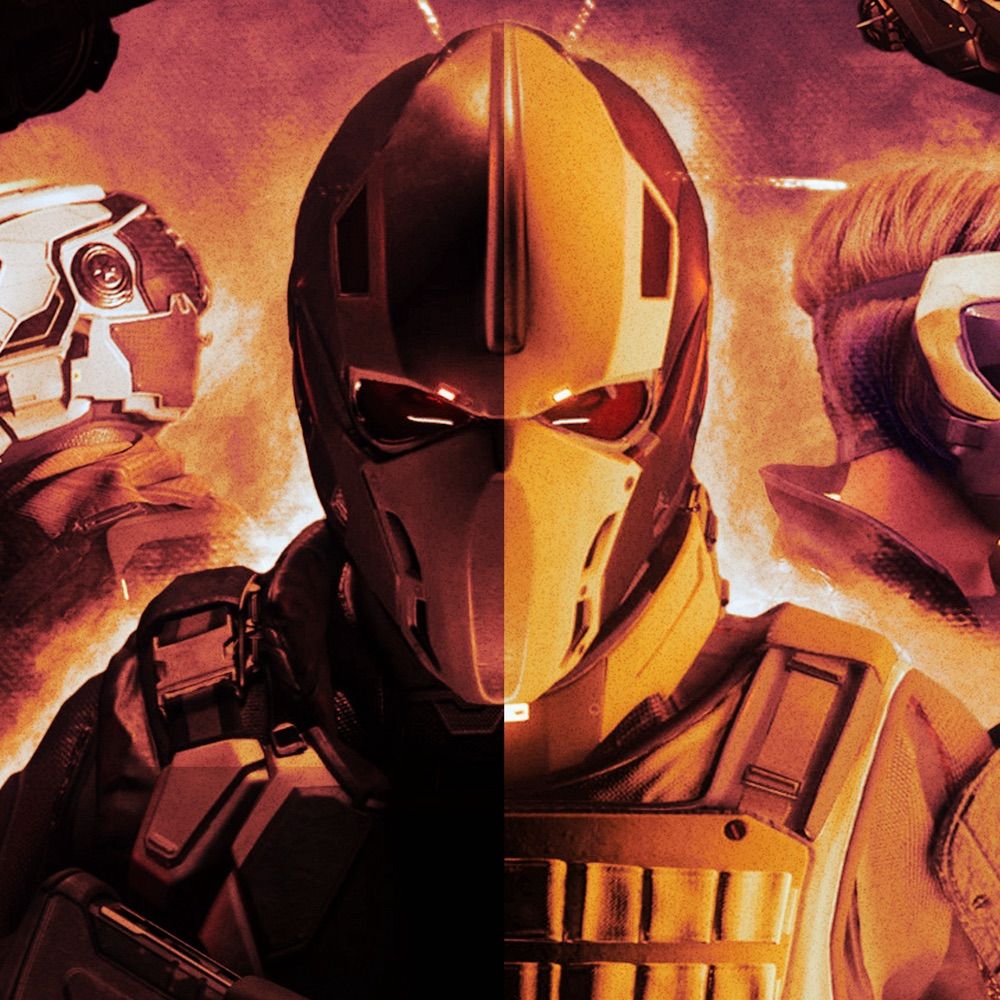

Another fantastic #StarCitizen video by @fatbirdsc.bsky.social! Great job to everyone involved.
31.03.2025 22:17
👍 2
🔁 2
💬 0
📌 0
Another fantastic #StarCitizen video by @fatbirdsc.bsky.social! Great job to everyone involved.
Sure! Always happy to help.
The Starlancer has got soul. It's got style. And undeniable retro beauty. Don't you agree?
🔊 Turn on sound for the full experience.
📌 Full Video Here: youtu.be/PvBm0YvdzyE
#StarCitizen @robertsspaceind.bsky.social

It’s a sight to behold from the exterior.
Very true. I didn’t notice the trend until early this year. My neighbors jeep is basically duck branded. It’s yellow, duck branded spare wheel cover, little duck valve stems, duck license plate. And of course the dash full of rubber ducks lol.
If only we had some dinosaur plushies. 😉

IDK why people are complaining about the Starlancer dashboard size. It's perfect, no notes.
#StarCitizen #VirtualPhotography @robertsspaceind.bsky.social
Next up: The History of How AstroPub Didn’t Fix the Game
Anyways, this is such a niche thing to get into the details with, but hopefully some of you found this interesting or learned something new. If not, I at least had fun writing it up and I'm certain I'll do more in the future lmao.
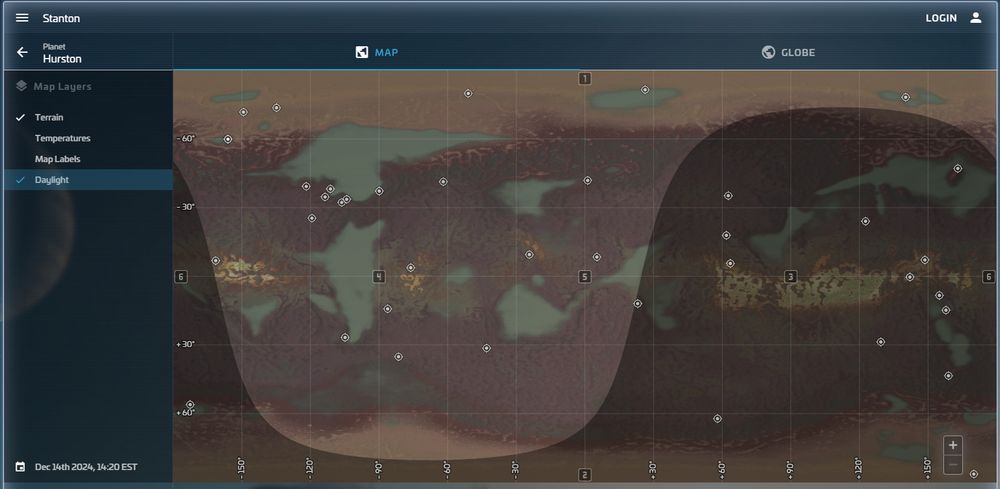
Lastly, I need to shoutout @verseguide.com for the amazing utility in doing these types of productions in SC. It has helped me tremendously in figuring out when sunrise and sunset is, how much daylight we have, etc. It's also great for scouting locations, among other things.
Overall, these techniques are not just exclusive to dialogue scenes. Whether it's video or photo, following some fundamentals of lighting can really elevate your shots. Some of your favorite SC photographers employ these techniques, whether its consciously or not on their part.
(cont)
In this scene, I addressed this by opening up each characters stance so they're not directly facing each other. This works well contextually because they're talking about the Starlancer in front of them. This gives me just enough room to squeeze the camera in an okay spot.
(cont)
If something stands between my character and the camera, it will often force the camera forward ruining the composition. This becomes problematic when shooting over the shoulder of another character. I usually have to make some compositional sacrifices to make it work.
4. Camera Collision: Similar to real life, the camera can only go where it can physically fit. This is also true in Star Citizen, but there's an added hurdle: Camera collision has a "line of sight" collision (as if there's a stick extending from my character to the camera).
(cont)
In other scenes, we have added light in using headlamps or ship lights when needed, but they're often tough to work with. They're not designed to be "soft," so you have to use them sparingly or from a very far distance to reduce the harshness.

(cont)
In this case, the sunlight is behind us and off-axis about 20-30ish degrees to the right (relative to the camera angle that faces the front of both characters).
The lighting is by no means perfect, but it allows us to benefit efficiently across multiple camera angles.

(cont)
With that fundamental in mind, you can angle your compositions in a way that works with the lighting that exists in-game.
- I often position the sunlight off-axis relative to the camera as much as possible. Whether this is behind the characters, or in front.

3. LIGHTING: In a real production, we'd have the opportunity to add negative fill or diffuse sunlight. In SC, our options are limited here, but there's some approaches that work well.
3-Point lighting is a great foundation to follow, but not a hard and fast rule.
(cont)
And in the case of this scene, it's much more visually pleasing to have the characters standing shoulder-to-shoulder anyways to create some balance in the frame.
2. Forced Perspective: Again, similar to a real production, characters are placed closer together than people would naturally stand during the over-the-shoulder shots. Combined with a tighter focal length, it helps bring the audience into the dialogue.
(cont)
A 30 second - 1 minute dialogue scene can often take 30-45 minutes to shoot. We'll run the dialogue from start to finish from each angle (often with multiple takes of each angle). This gives plenty of coverage for editing and matching character movements between cuts.

(cont)
- Follow the 180 degree rule. As with most artistic things, "learn the rules to break the rules," but this one is quite steadfast in creating spatial awareness for your audience during dialogue.
Crossing the "line of action" can sometimes be confusing without context.
1. I shoot two-character dialogue scenes as "single cam" in a classical way, just like a normal production.
- Wide establishing shot to connect the audience to the scene.
- Master two-shot with both characters in frame.
- Over-the-shoulder of each character.


Filming dialogue scenes in #StarCitizen has some unique challenges, but also mirrors a lot of real-life production techniques. Here's why: 🧵
@robertsspaceind.bsky.social
#Machinima #VirtualPhotography
I generally go through phases when working on projects. Love it one moment, hate it the next on an endless loop.
Describing it like this certainly resonates in with me in a way I haven’t thought of before.
Valid. This meat suit can only do so much and we can’t even get firmware updates.
WHAT’S THE PLAN?!
——
Spirit Breaker was such a fun #machinima project to put together that I’ve also thoroughly enjoyed the process of making little teasers for it. I’m a sucker for big band music sometimes. #StarCitizen
Are you ready for Pyro?
#StarCitizen


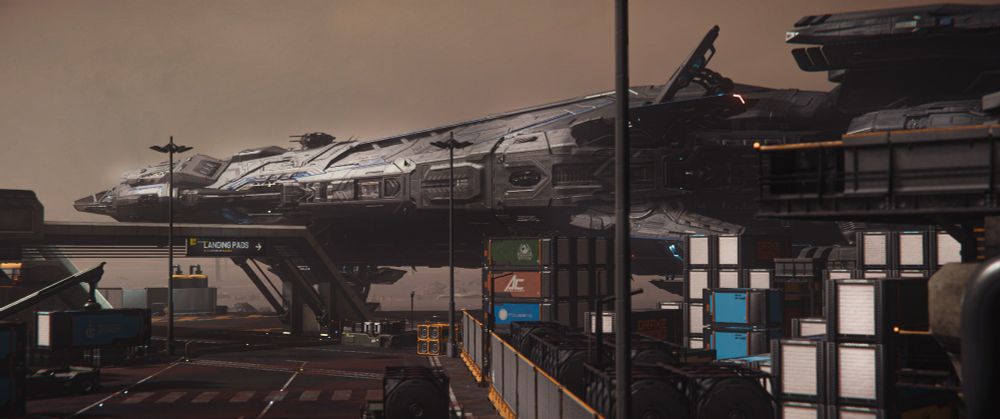

Hello all my #StarCitizen friends. First post on bluesky, so here's some Polaris pics to enjoy.


