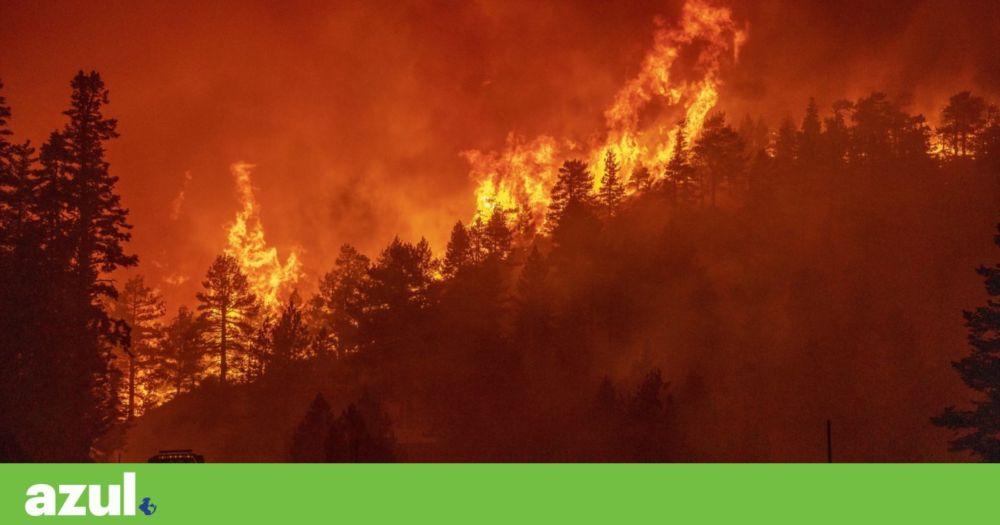
Incêndios aumentaram nas áreas protegidas. Cientistas pedem melhor gestão do risco www.publico.pt/2025/06/30/a...
01.07.2025 08:13
👍 0
🔁 0
💬 0
📌 0
Incêndios aumentaram nas áreas protegidas. Cientistas pedem melhor gestão do risco www.publico.pt/2025/06/30/a...
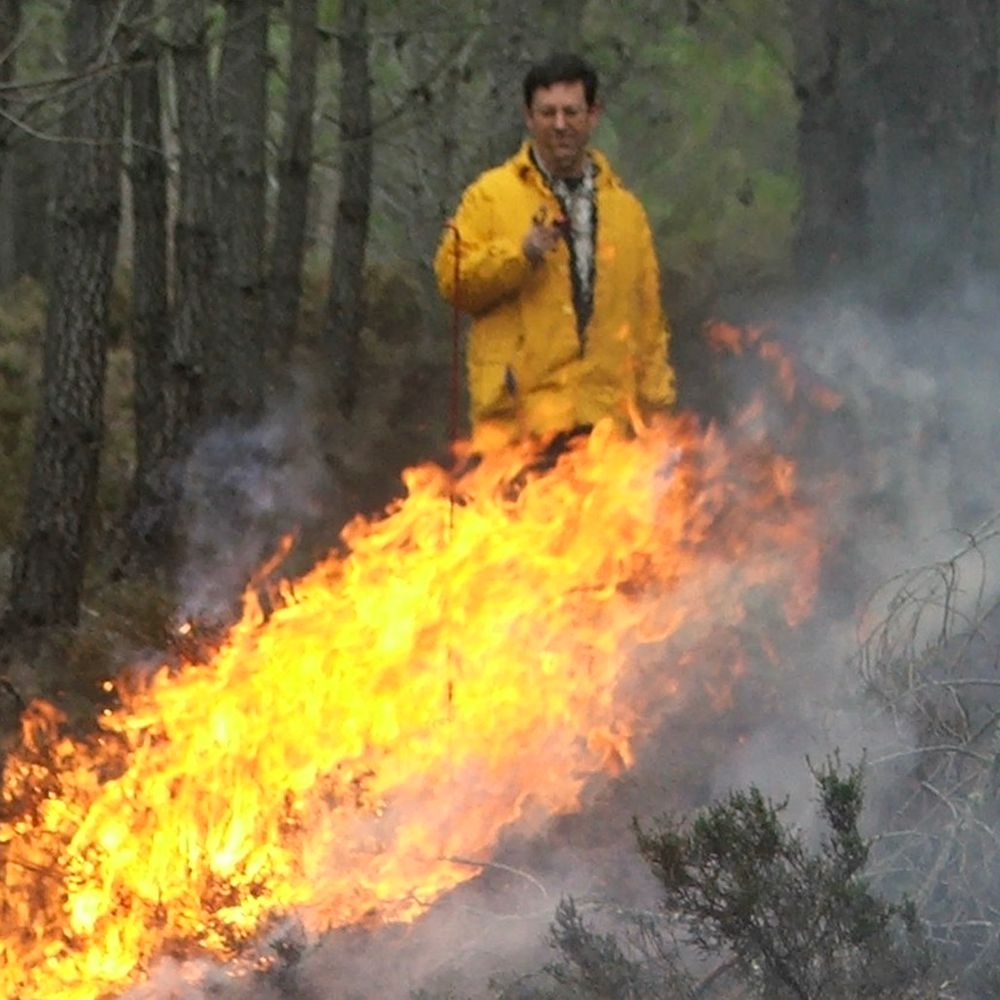
It burns fiercely should a canopy fire develops, as the foliage is flammable and relatively dry. It will also resprout strongly after fire
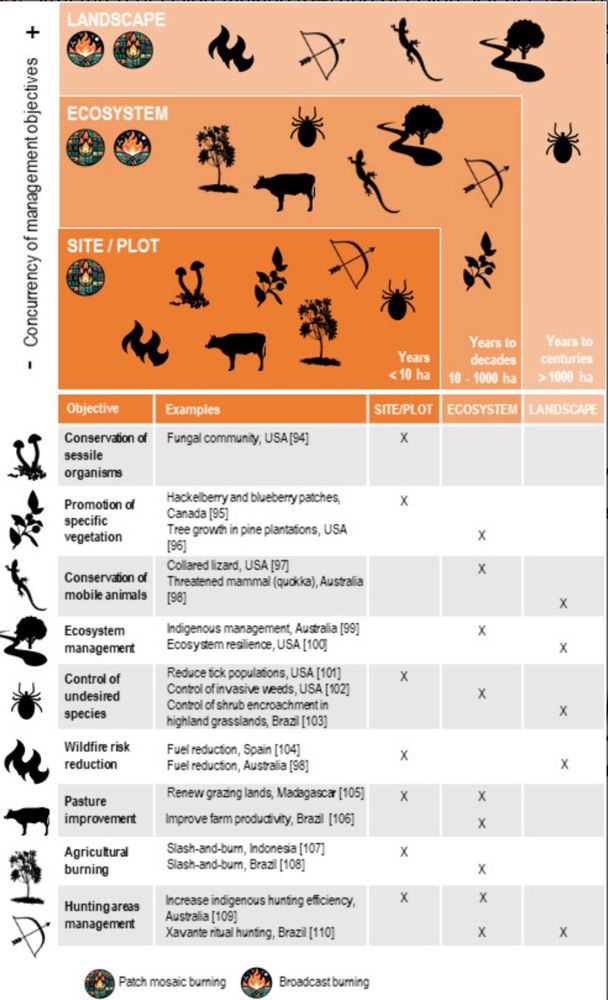
Out today: royalsocietypublishing.org/doi/10.1098/...
Mostly good fire doing ecological work
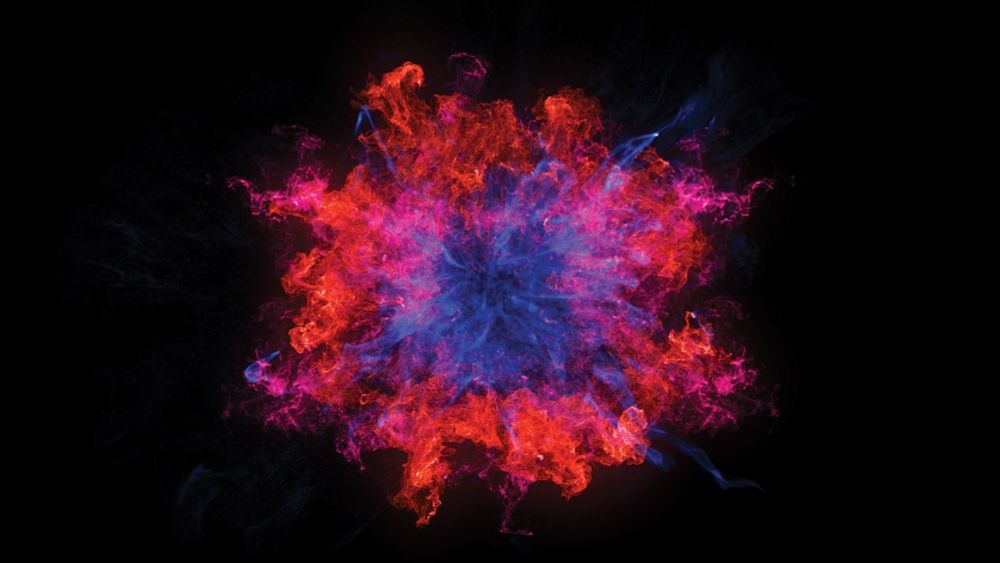
The Hollywood Reporter asked for 700 words for a special section on the fires they have just published. Something looking at the fire itself.So I repurposed some sentences on 'fire as biology' and gave the notion a long leash. Alas, the title is *not* mine. www.hollywoodreporter.com/news/local-n...
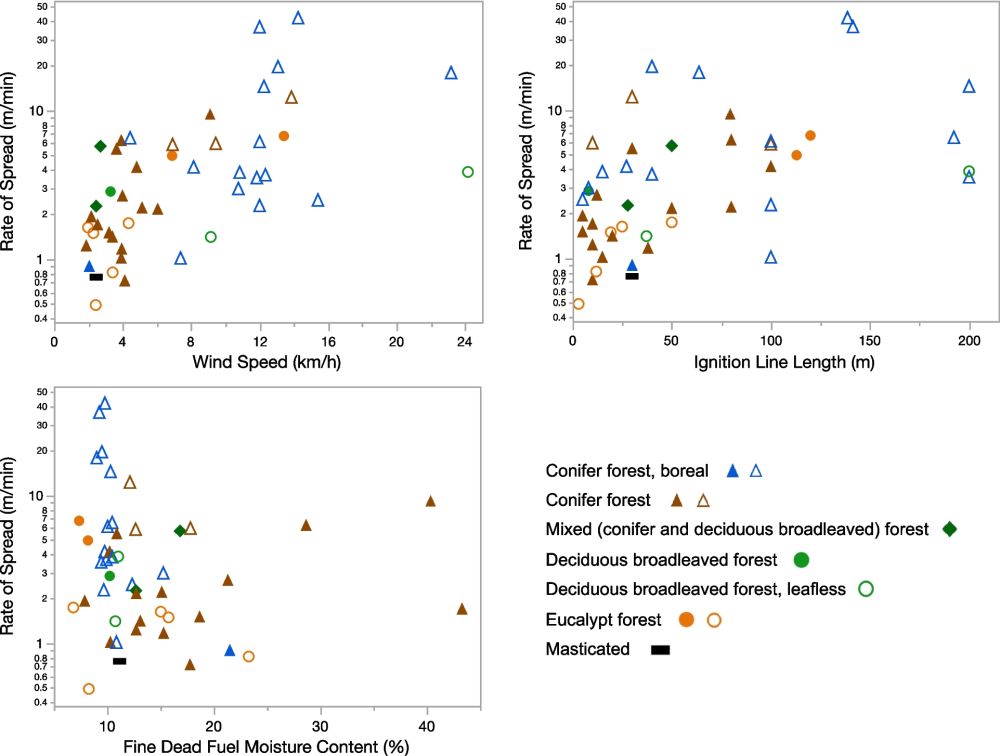
New paper out: a review of the last 20 yrs or so of experimental field quantification of #firebehaviour characteristics
link.springer.com/article/10.1...
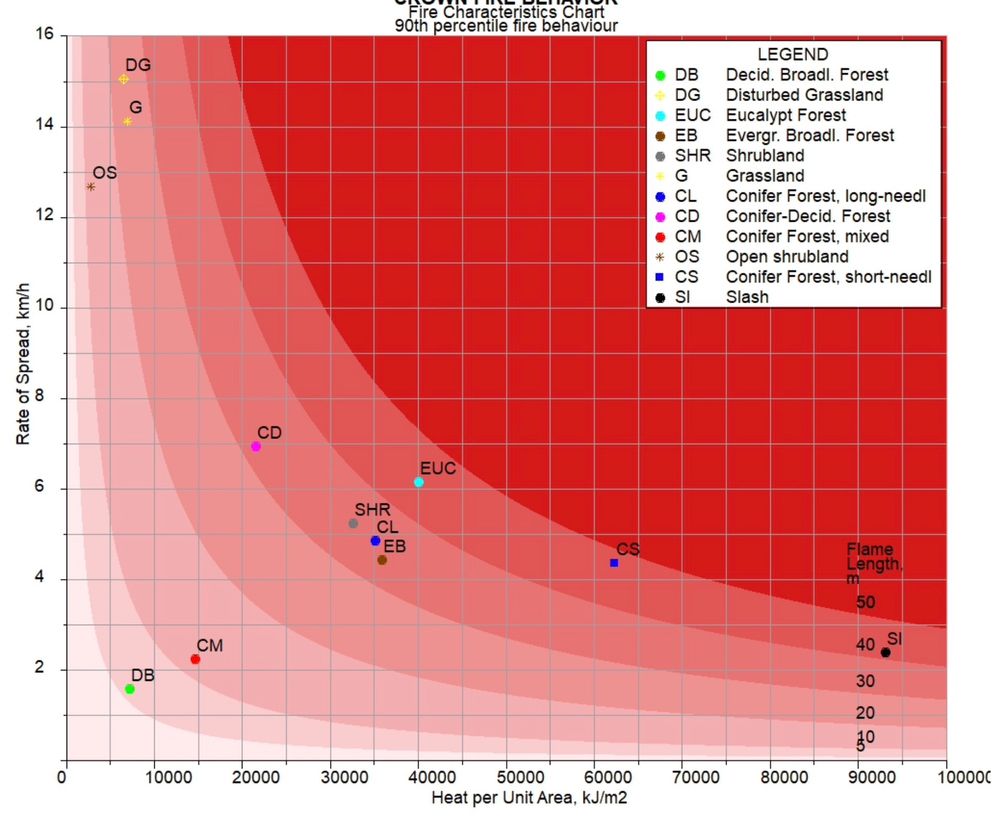
Extreme #wildfire behaviour: The 90th percentile of #firebehaviour metrics by broad fuel type placed on the fire characteristics chart of the USDA Forest Service. Data from the worldwide BONFIRE database.
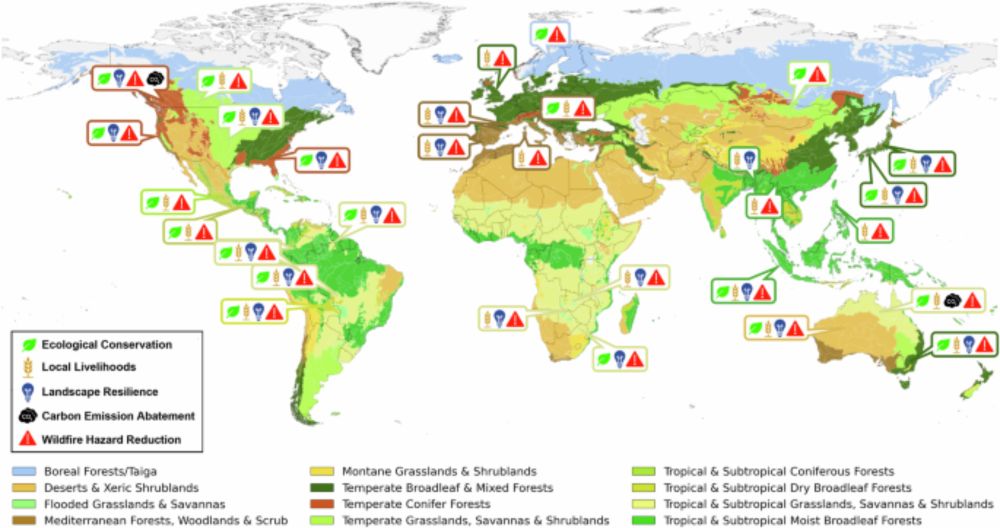
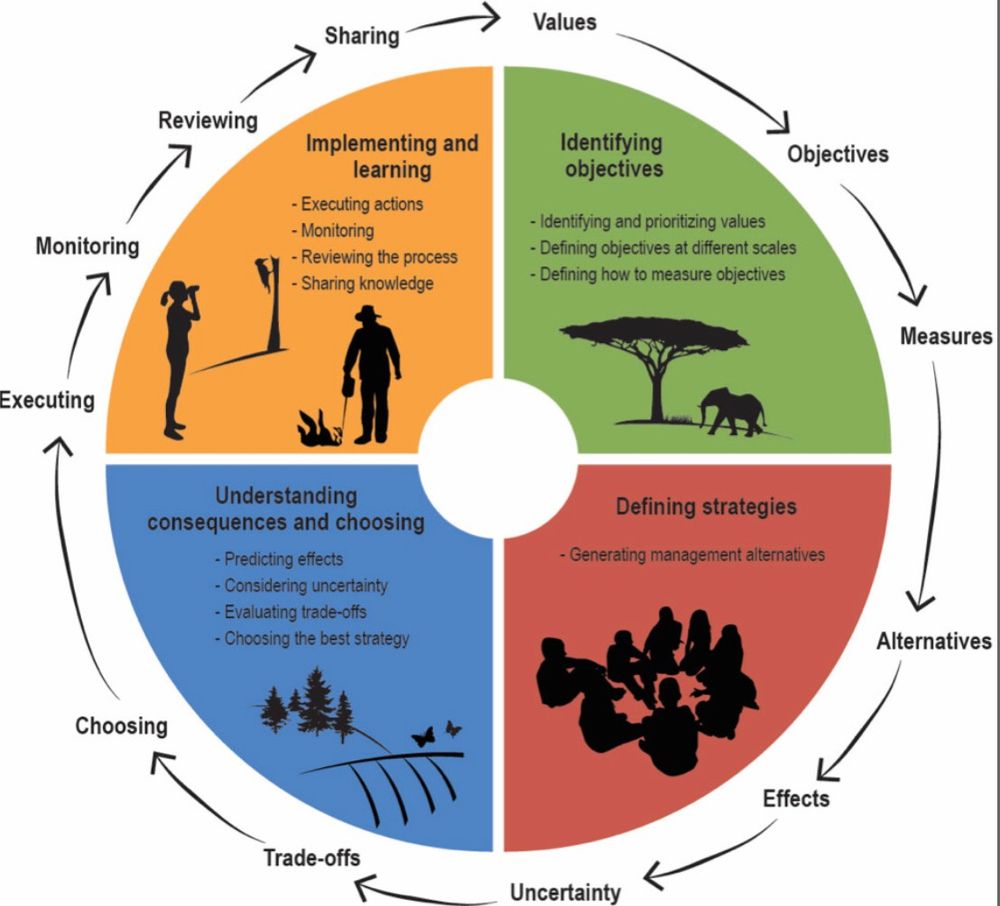
New paper out, by an interdisciplinary team and based on a stakeholders' participatory approach
www.publish.csiro.au/WF/WF24042
New paper alert: using #LiDAR to estimate #canopy #fuel characteristics
www.sciencedirect.com/science/arti...
Will be posted on Nero's website
Yes
Will be talking about #fuel & extreme #firebehaviour at the next NERO webinar
nero-network.eu/news/nero-ne...
I just went through the eucalypt-related links & found just 1 research paper but plenty of content reflecting the view of non-scientists and people strange to either fire or forest management
Not really, it's eucalypts vs almost everything else, but especially vs conifers, shrublands and evergreen oak forests. Forest structure & fuel load, rather than forest composition, govern wildfire behaviour & severity & this is increasingly true for increasingly more difficult fire weather
Thanks Tim, it seems to involve substantial effort but I will consider it
Less related w/fire, stating that litter decomposition is slow (it's midway between conifers & deciduous forests) and nothing grows underneath the trees (unmanaged stands often have dense understory vegetation).
Mostly the overall impression given by the article that eucalypts are behind all this wildfire activity. Saying that flammable chemicals concentration is high in litter & bark (it's high in live foliage, but most of it goes away, unlike conifer litter that retains resin).
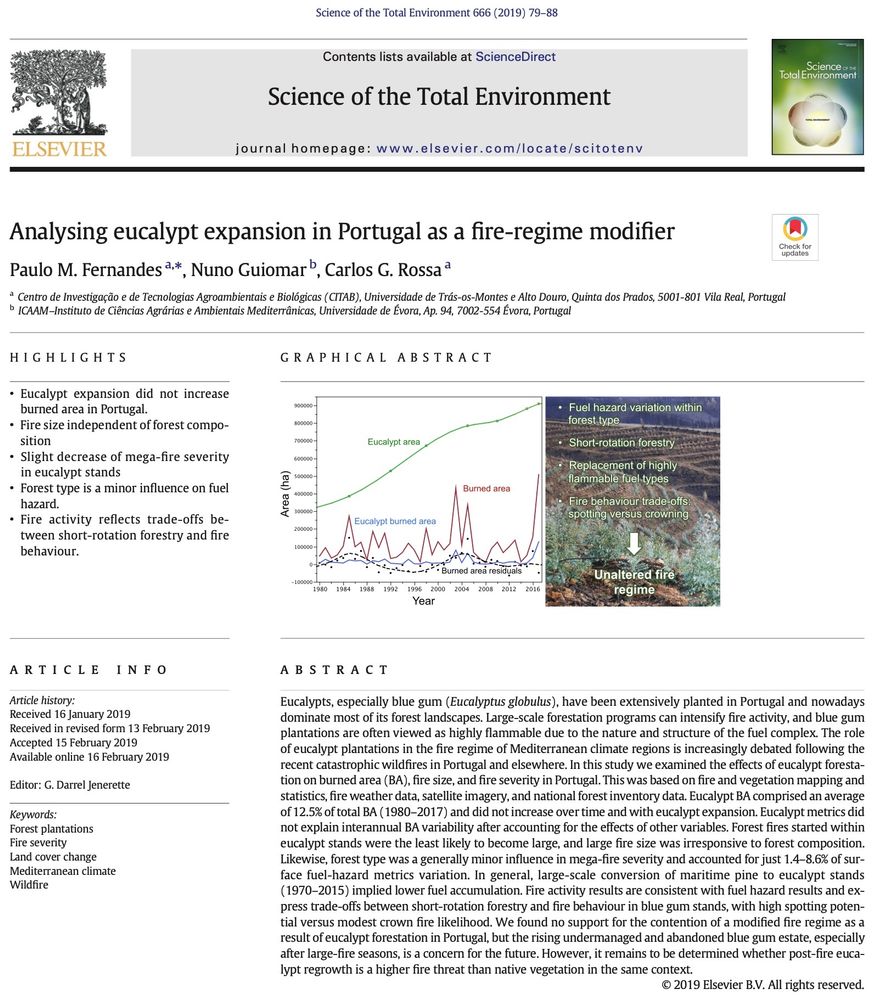
I enjoyed reading it, but I wish these pieces could be informed by science (rather than perceptions/opinions) regarding fire & eucalypt plantations. Here, we thoroughly examined the relationships:
Not a bad read, but as usual a poorly informed piece regarding eucalypt plantations, e.g. claiming that nothing grows underneath the trees, that litter decomposes slowly, or that plantations increased fire risk, when it has been shown that is not the case.
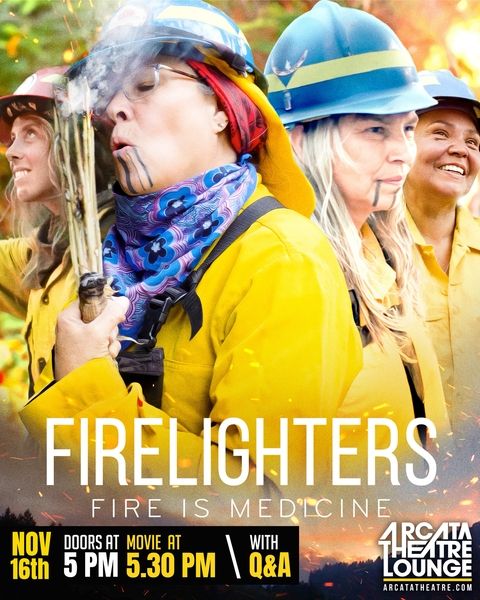
For anyone interested in cultural burning, Indigenous knowledge, and prescribed fire, looks like you can watch this free on local PBS or their app tomorrow. #fireismedicine
sandezeig.com
Here is the current Fire BlueSky landscape
Fire starter packs:
Fire ecology: bsky.app/starter-pack...
Wildfire experts: bsky.app/starter-pack...
Feeds:
Disasters: Fire bsky.app/profile/did:...
Wildfires (fire science): bsky.app/profile/davi...
🧪🌍🌳🔥🌿