
It could also be that the chosen solution ended up in Claude's training data, if the engineers used Claude in developing it - at least partially. Still impressive of course
03.01.2026 08:39
👍 3
🔁 0
💬 0
📌 0
It could also be that the chosen solution ended up in Claude's training data, if the engineers used Claude in developing it - at least partially. Still impressive of course

I watched this (youtu.be/TMoz3gSXBcY?...) on the abuse of LLMs & 'vibe physics' by @acollierastro.bsky.social - well worth a watch! - and I was struck by how the back 15 minutes (the 'thought train') also summed up neatly what it has been like to be a public-facing historian, even before LLMs.1/

This thing now deserves its own name
The answer was not the point. The answer was never the point. The process of searching is the process of learning.
Restarting an old routine "Daily Dose of Good Papers" together w @vaibhavadlakha.bsky.social
Sharing my notes and thoughts here 🧵
See my notes on the amazing #NeurIPS2024 tutorial on building LLMs by @kylelo.bsky.social , @akshitab.bsky.social and @natolambert.bsky.social
Practical tips, key takeaways, and insights all in one place! 🚀
Dive in:
manuelsh.github.io/blog/2025/NI...
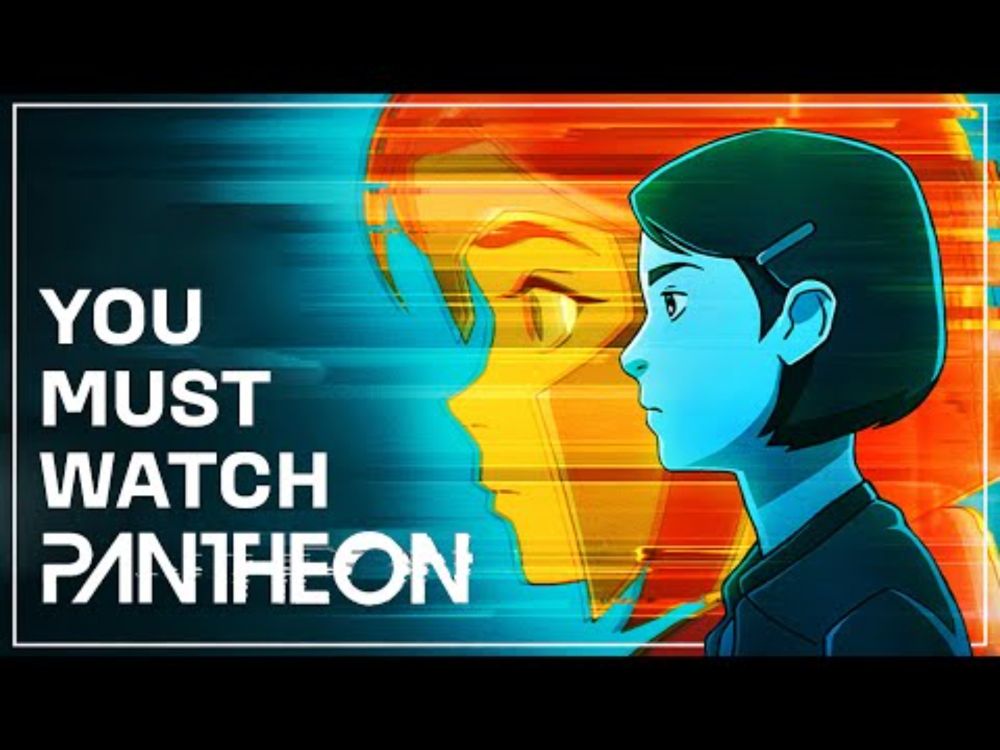
A Netflix miniseries by my brilliant colleague Ken Liu – Pantheon- posits that AI – the current fad – will be superseded by UI – Uploaded human minds. Good writing, layered. With some of the nuance about uploading that are in Robin Hanson’s THE AGE OF EM.
www.youtube.com/watch?v=-diw...
The query above is a short one liner in Cypher but can be completely unreadable in SQL
Well in general finding people united by chain of relationships. For example, who are the doctors that assessed all the claimants that have the same solicitor as claimant 2
It makes things easier, though of course almost anything can be built on top of a relational database
One can efficiently build queries for next nearest neighbours of higher orders as well as match specific edges
There's at least two steps: 1) find nodes with highest centrality score and tag them as :CENTRAL 2) match nearest neighbours. Step 1 can be accomplished by a plugin in neo4j. Step 2 could be something like MATCH (:CENTRAL)-[]->(nn) in neo4j Cypher.
Within fraud detection, graphs can quickly provide information about which actor is central to frauds, and who is near them. Graph-dbs allow for a large number of entities to be memorised and processed.
Thank you this is great to hear
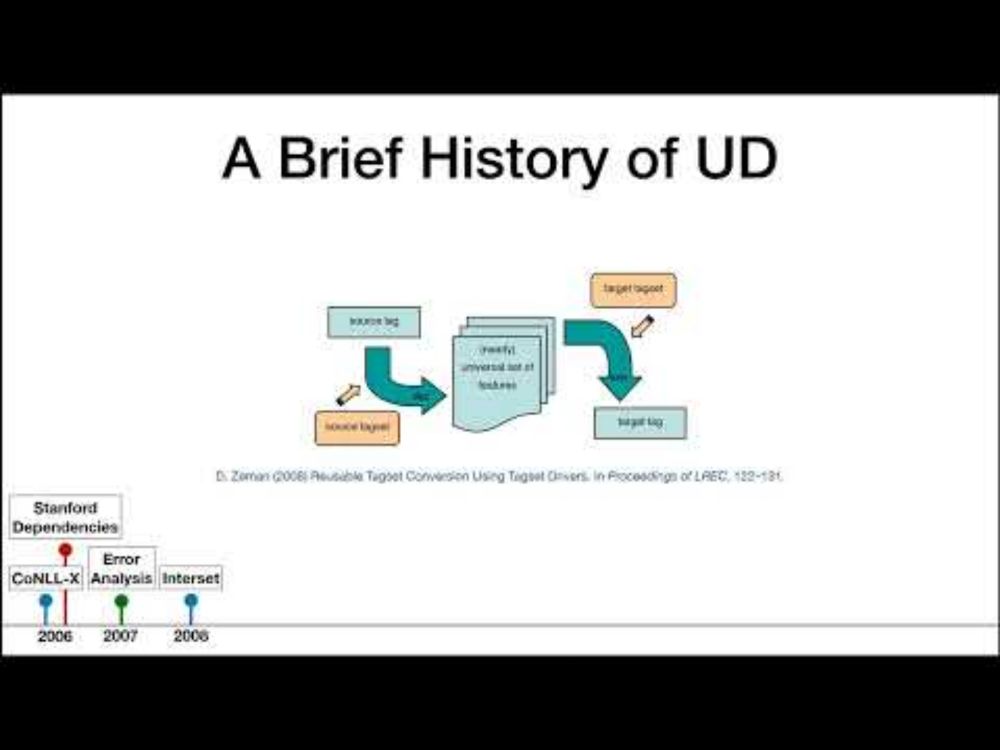
We do. Sooner or later, it will land on our YouTube channel www.youtube.com/playlist?lis...
What a fantastic guest! Do you have recordings?
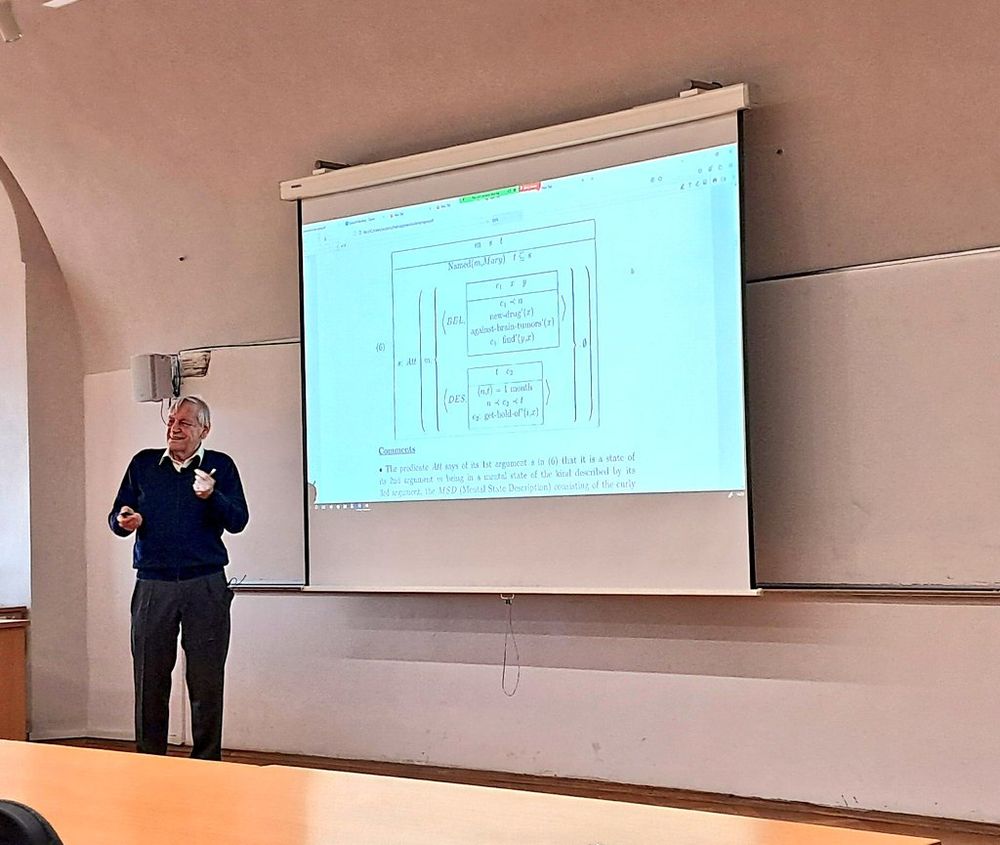
We are honored to host Hans Kamp for a lecture on Mental State Representational Theory. His framework explores how beliefs and intentions shape communication and understanding—a fascinating look at language and cognition! 🧠✨
Check out this piece on Strawberry 🍓/o1 we just authored on TheConversation! theconversation.com/ai-that-mimi... with @edoardo-ponti.bsky.social and Kolya 🚀
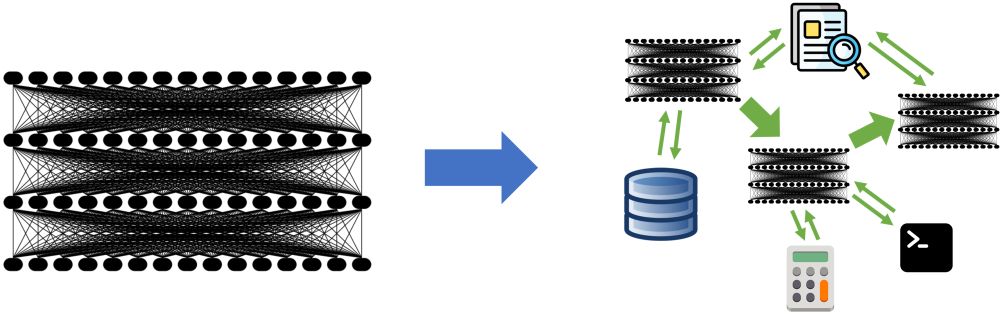
Berkeley Artificial Intelligence makes the case for a general shift toward “compound AI systems” that have multiple components interacting and augmenting each other. #MLSky 🤖
This reminds me a colleague from est Glasgow that pointed out he was technically "middle aged" at 27
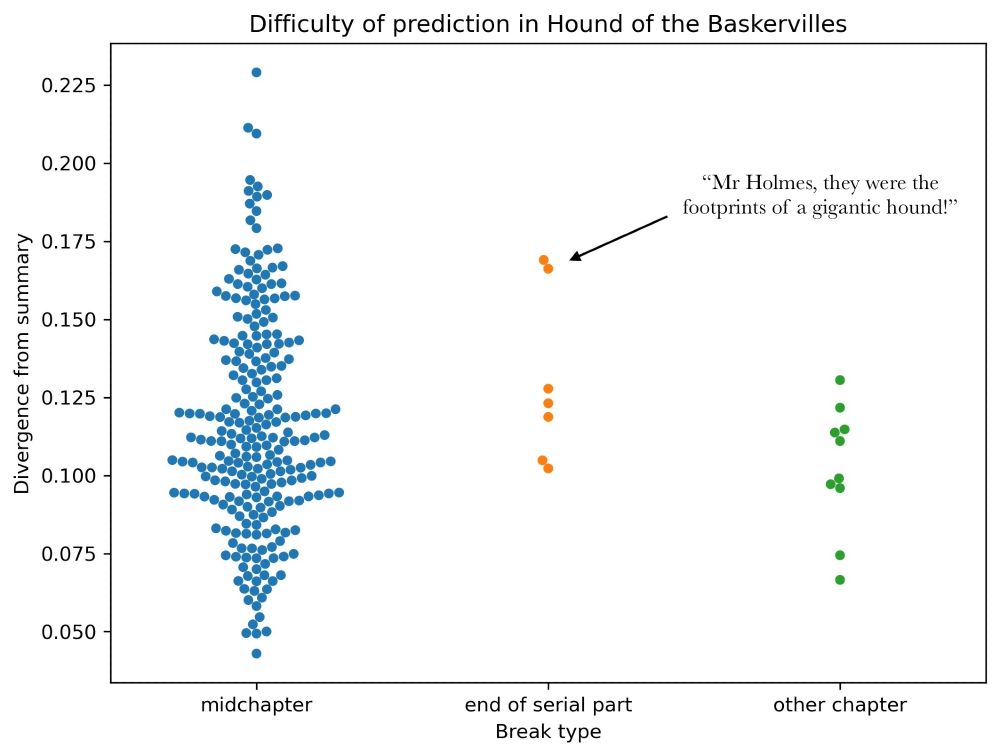
A swarmplot showing the difficulty of predicting the next three pages at different moments in The Hound of the Baskervilles. Prediction is more difficult at the ends of serial installments than at other kinds of chapter breaks, hinting at deliberately constructed cliffhangers.
If we got this method to work, the payoff might be that we could measure uncertainty, and distant-read things like the history of the cliffhanger.
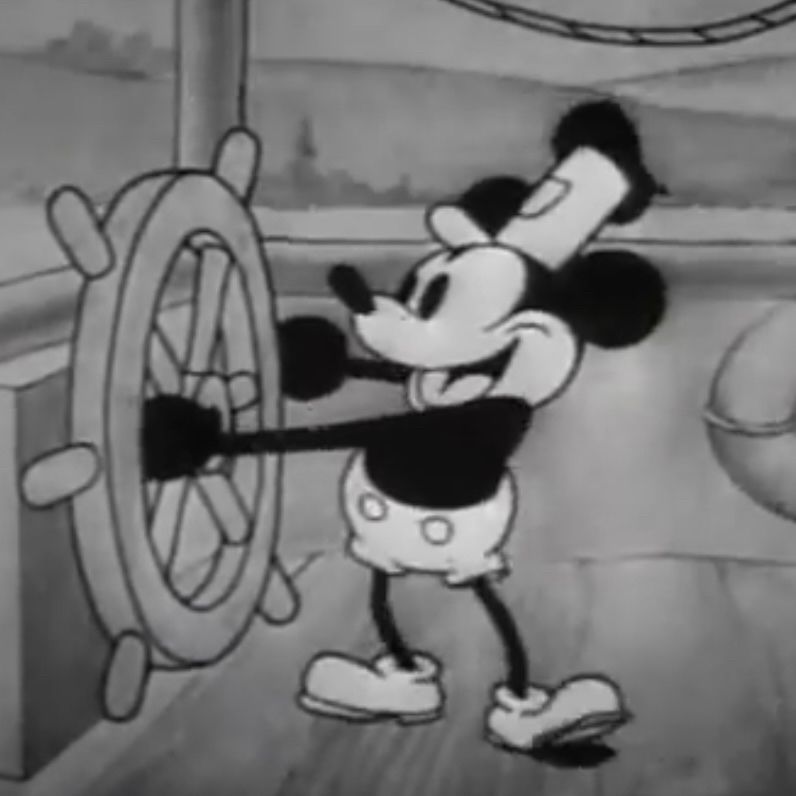
Iconic image of Mickey Mouse standing at the wheel of a steamboat.
Welcome to the public domain, STEAMBOAT WILLIE (1928)! archive.org/details/Stea...
The hound of the Baskerville's was published in the strand originally. One can find the scanned pages here www.dfw-sherlock.org/uploads/3/7/...
I understand better now. I bet someone already made a corpus with the original installments
Sherlock Holmes collected stories are out of copyright. For example sherlock-holm.es/pdf/letter/1...
Zi Yin, Wei Ding, Jia Liu
Alignment is not sufficient to prevent large language models from generating harmful information: A psychoanalytic perspective. (arXiv:2311.08487v1 [cs.CL])
http://arxiv.org/abs/2311.08487