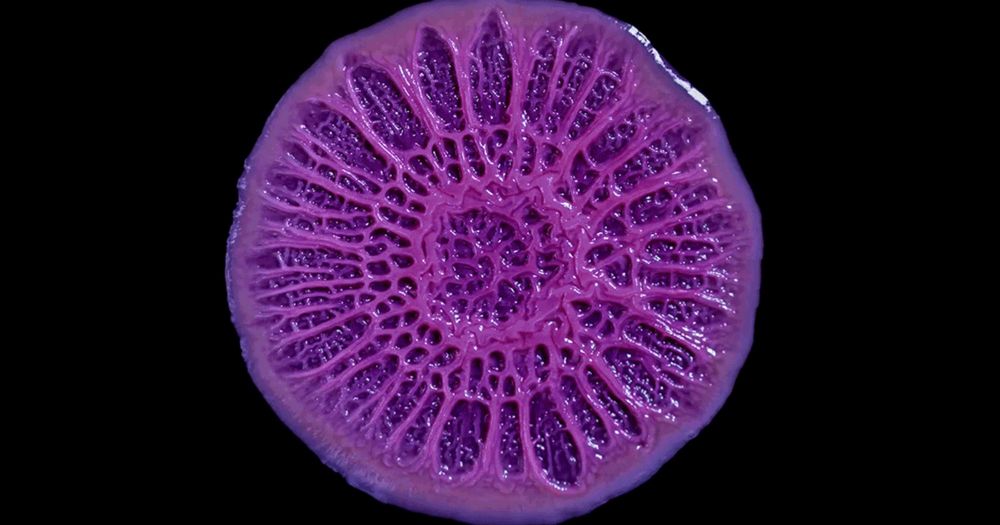
Would love to know how it goes!
21.10.2025 07:08
👍 1
🔁 0
💬 0
📌 0
Would love to know how it goes!

Why would anyone want to be a scientist? There are the pleasures of:
1. Having the initial idea or insight,
2. Watching the idea develop into new experiments or a new model, and
3. Telling others.
Martin A. Schwartz
Check out also his Night Science podcast episode: podcasts.apple.com/us/podcast/7...
@anu-sharma.bsky.social
want a twitch? lose itch
to use LB, go with flow
and your cells may grow
#sciku 🧪🧬🔬🧫🦠 #Phages2025
doi.org/10.1016/j.cu...

@anu-sharma.bsky.social: flow increases H2O2 effectiveness against #pseudomonas 50-fold, combining the two blocks motility and growth
#phages2025 🦠
www.cell.com/current-biol...
(bacterial) cell divisionists take note, unbedingt 👇
#MicroSky
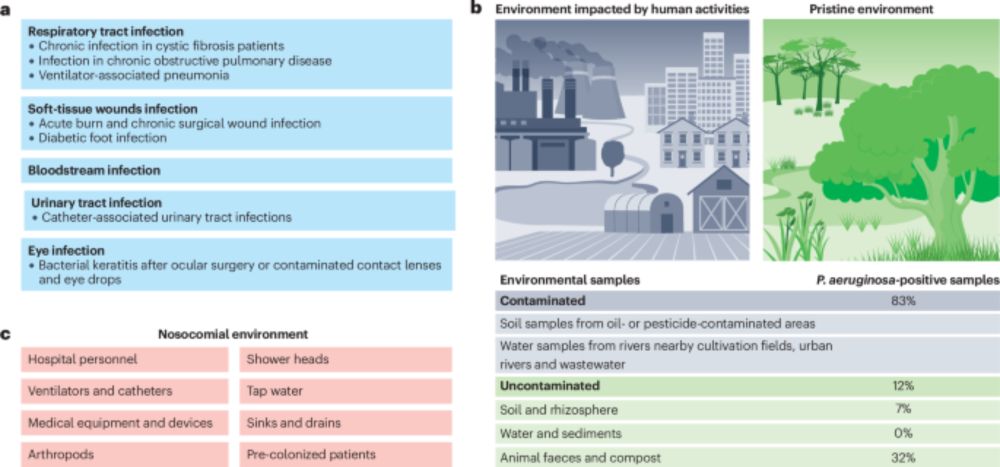
Our new big review on Pseudomonas aeruginosa. Hope you enjoy reading it. www.nature.com/articles/s41...

In B. subtilis, TerC proteins function in Mn export to support the metalation of exoenzymes. MeeY is also required (directly or indirectly) for production of surfactin, a lipopeptide required for swarming motility! (collab. with Dan Kearns' lab @IU).
#MicroSky
journals.asm.org/doi/10.1128/...
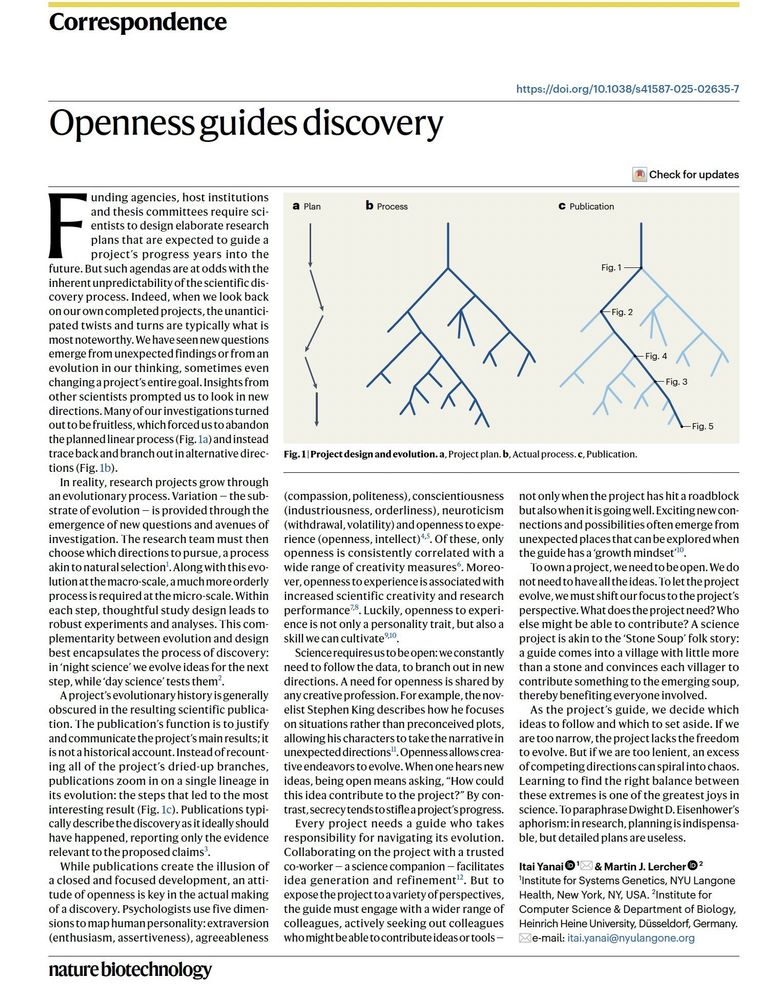
Contrary to popular belief, what is important in science is as much its spirit as its product: it is as much the openmindedness, the primacy of criticism, the submission to the unforeseen, however upsetting, as the result, however new that may be. – Francois Jacob
www.nature.com/articles/s41...

A very helpful read on tackling procrastination @naturebiotech.bsky.social
www.nature.com/articles/s41...
Read this to find out how fluid flow influences antimicrobial delivery! 🧪
Glad to be a part of this work.
Congratulations @ashuppara.bsky.social!

1/10 🧵 Injecting some science in your feed: Happy to share another chapter in our investigation of bacterial surface sensing. We describe the role of CpaL, a minor pilin-like protein, a key player in surface sensing and adhesion in Caulobacter crescentus. #microsky www.biorxiv.org/content/10.1...

How do bacteria experience nutrient stress in nature? In our new preprint, we study how cells respond to nutrient limitation under flow. We find that in flow, cells can grow on concentrations of glucose 1,000 times lower than in batch cell culture. (1/5)
#microsky
www.biorxiv.org/content/10.1...

New research from the lab of Joe Sanfilippo demonstrates that the amount of hydrogen peroxide required to inhibit bacterial growth is 50x less than previously thought, at amounts naturally present in the human body.
go.mcb.illinois.edu/bacteria
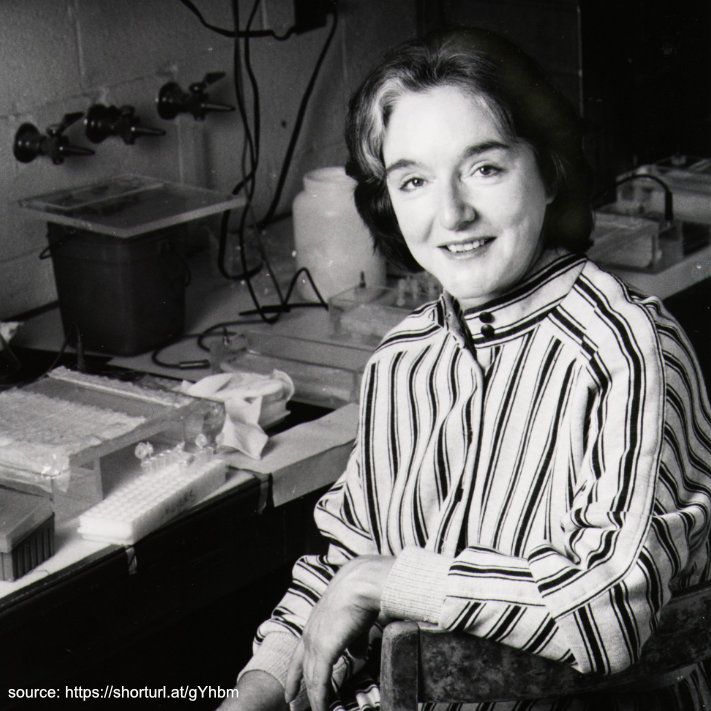
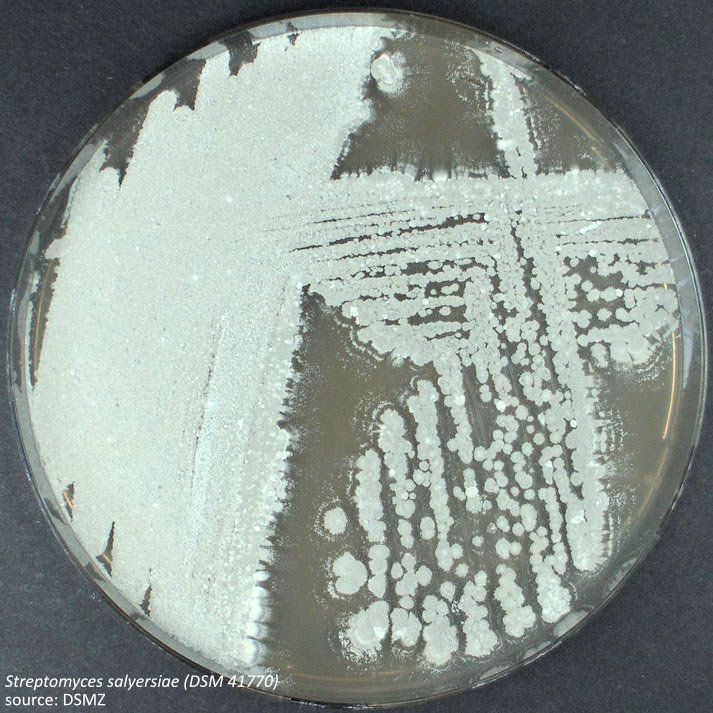
To honour Abigail A. Salyers (1942-2013), who is considered as the mother of microbiome research, DSMZ researchers named the strain Streptomyces salyersiae (DSM 41770) after her.
#WomenInScience #antibiotics #antibioticresistance #microbiome #microbiology
Must listen!
Thank you Ezza!!!
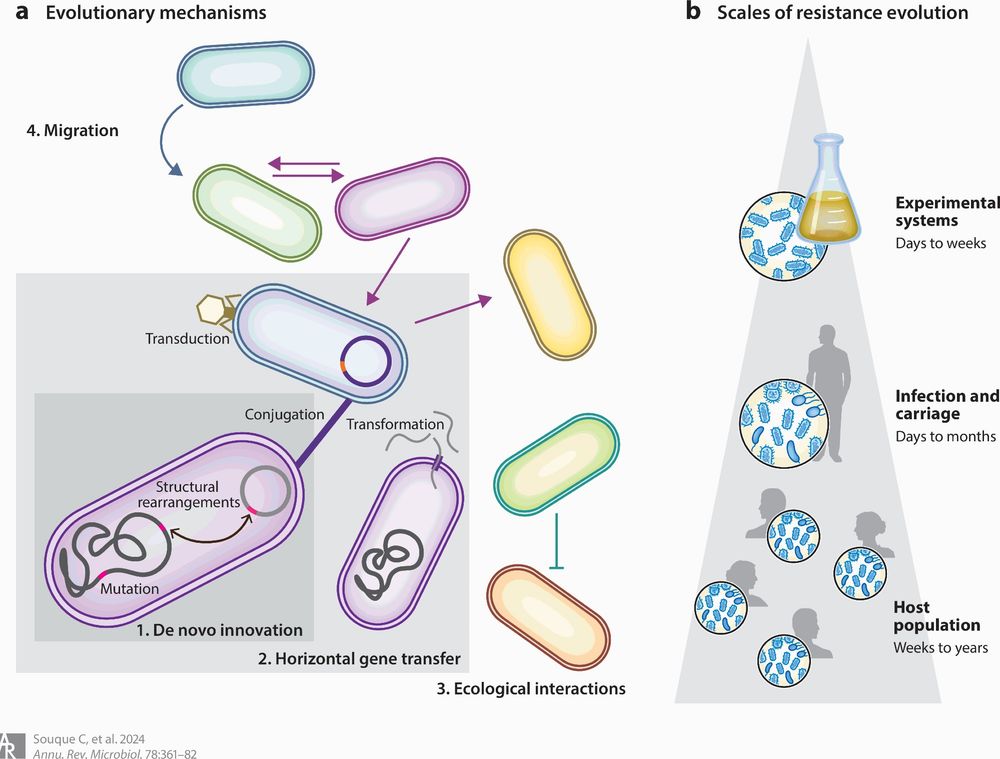
The first review article from my lab, helmed by @celiasouque.bsky.social, "From Petri Dishes to Patients to Populations: Scales and Evolutionary Mechanisms Driving Antibiotic Resistance" is now online and open access at Annual Reviews Microbiology:
www.annualreviews.org/content/jour...
Thank you so much!
So excited to see this in press! Congratulations to @anu-sharma.bsky.social for her fantastic work and first published first author paper. Check it out!!!
Thanks Paola!! 🫶🏻✨
Thanks Souvik!
Thanks Piyush!
Thanks Alex!
Grateful to my advisor, Joe Sanfilippo for his brilliant mentorship and expertise! Huge thanks to my amazing co-authors, @ashuppara.bsky.social, @flowbert.bsky.social! And grateful to the reviewers and editor for their invaluable feedback!
TL;DR Stressors in nature aren’t just additive, they synergise! This work highlights the limitations of oversimplifying nature and demonstrate that physical and chemical stress can combine to yield unpredictable effects.

Along with twitching, we also learned that combining flow and peroxide has a detrimental effect on cell physiology as they inhibit bacterial growth.

While looking at cells in flow, we serendipitously discovered that flow and peroxide synergise to block bacterial migration.

We discovered that natural levels of hydrogen peroxide induces a small, clearly defined transcriptional response. Comparative analysis revealed that studies using batch cultures overestimated the concentrations needed and genes induced by hydrogen peroxide.