In short, once marginal practices of junk bonds/private equity in TV would become mainstream in media ind. by the 21st century.
So if WBD-PSKY goes through as the biggest LBO of all time, it is the culmination of decades of debt, pillaging, and financial manipulation to benefit a select few in TV.
27.02.2026 18:48
👍 3
🔁 0
💬 0
📌 0
Storer Communications - Wikipedia
A great examples is Storer-Gillett, a 10:1 debt-to-profit disaster: en.wikipedia.org/wiki/Storer_... 7/
27.02.2026 18:45
👍 1
🔁 0
💬 0
📌 0
And if you can believe it, most of these deals were a disaster: cost cutting, layoffs, the usual awful sutff.
As one exec said: they “drain the business of its traditions and turn stations into … “mere commodities to be traded as dispassionately and as fundibly as soy beans or cotton future." 6/
27.02.2026 18:44
👍 1
🔁 0
💬 1
📌 0
Interestingly, the investor logic of TV LBOs was that a declining, yet cash-rich, business (station ownership) could fund emergent, not yet profitable business (cable tv) + payoff LBO debts
A PSKY-WBD LBO would be based on similar logic: use dying cable $ to fund streaming scale and pay off LBO 5/
27.02.2026 18:35
👍 1
🔁 0
💬 1
📌 0

This image is a line graph titled "Station Sales (1970-1992)," which tracks the volume and value of television station transactions in the United States over a 22-year period. A peak is visualized in 1987.
However, very quickly, tv insiders realized they could benefit from PE and LBOs even if it crippled their companies, despite the framing of insider (TV) vs. outsider (finance) in the trades. This acceptance, paired with deregulation, led to an explosion of LBOs and station sales in the late 80s. 4/
27.02.2026 18:28
👍 1
🔁 0
💬 1
📌 0
Some execs expressed skepticism in the press. Variety even called private equity partners “would be empire builders” 3/
27.02.2026 18:26
👍 1
🔁 0
💬 1
📌 0

At first, broadcast/tv execs were genuinely confused about what an LBO was. Private equity and this financial model was still fairly new, but there was a spat of LBOs in 1983. 2/
27.02.2026 18:24
👍 1
🔁 0
💬 1
📌 0
A good time to note that the first leveraged buyouts in media industries were of station groups and cable operators in the mid-80s. Where Mr Zaz got his start.
Here, a 1985 cartoon in Broadcasting: a baffled tv exec asks his accountant what an LBO is... 1/
27.02.2026 18:20
👍 3
🔁 0
💬 1
📌 1
As expected, another piece falls into place for Trump’s Viktor Orban model of media capture.
26.02.2026 23:24
👍 25
🔁 8
💬 1
📌 1
It's over: Netflix has conceded to Paramount.
"The deal is no longer financially attractive, so we are declining to match the Paramount Skydance bid."
WB still has to accept Par's offer and vote to close a deal, but...
26.02.2026 22:53
👍 33
🔁 13
💬 7
📌 6

highlighted text from a deadline article: "Fifth Season reportedly lost money on Severance in the first two seasons, especially in Season 2. According to sources, the company indeed would’ve been in the red had Severance been canceled after two seasons. Since the series is continuing, Fifth Season is expected to turn a profit from collecting producing fees going forward (along with selling the rights to Apple)."
considering there's no backend, it's sort of an unbelievable piece of information that Fifth Season *lost* money on Severance
deadline.com/2026/02/appl...
12.02.2026 22:45
👍 0
🔁 0
💬 0
📌 0

An area chart titled "Figure 4. Percentage of primetime programs by supplier type (1970–90)", showing percentage of prime-time schedule slots on the Y-axis and years from 1970 to 1990 on the X-axis. The chart is broken down into three categories: Independent (Blue), Studio (Red), and Studio Co-Production (Yellow). It shows how studio production decreased in the late 1970s, but resurged in the late 1980s.
I argue the rise of 70s indies was driven as much by macroeconomic factors, inertia, and studio retrenchment as by FCC policy. By the late 80s, the deficit financing model reinforced studio dominance despite the rules. We need to look past policy myths to the material history of financing (2/3)
06.02.2026 14:22
👍 1
🔁 0
💬 1
📌 0

A stacked bar chart titled "Figure 1. Primetime commissioned programs by supplier type (1970–80)", showing the percentage breakdown of programs from 1970 to 1980 among categories: Independent Producer, Studio, Independent Studio Co-Production, Network Co-Production, and Network. It demonstrates how in the first few years of the 1970s, independent production actually remained quite low to studio production in television.
Is the return of Fin-Syn a "silver bullet" for Hollywood?
My new article in the Historical Journal of Film, Radio and Television offers a revisionist history of the "Golden Age" of independent TV, challenging the "industrial common sense" of our contemporary moment. (1/3)
06.02.2026 14:20
👍 5
🔁 0
💬 1
📌 0
Blackstone’s 2025 Holiday Video: Forever Blackstone
YouTube video by Blackstone
"Fun is a medicinal bath" - Theodor Adorno
18.12.2025 16:07
👍 0
🔁 0
💬 0
📌 0


Sleepy Hollow, NY: Andrew Carnegie’s grave sits directly across from Samuel Gompers’ (American Federation of Labor founder) in the Sleepy Hollow Cemetery.
Both relatively modest compared to Rockefeller’s mausoleum at the top of the hill!
27.09.2025 21:52
👍 0
🔁 0
💬 0
📌 0
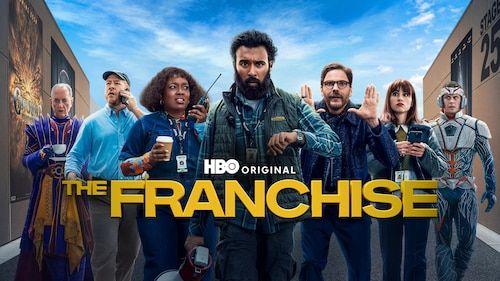
In a new essay, @aca-laurel.bsky.social examines the role of the fanboy auteur in HBO's backstage comedy "The Franchise," which satirizes Hollywood's superhero industrial complex. Read: www.flowjournal.org/2025/07/fanb...
30.07.2025 20:19
👍 2
🔁 2
💬 1
📌 1
Thanks Deb!
01.07.2025 21:23
👍 2
🔁 0
💬 1
📌 0
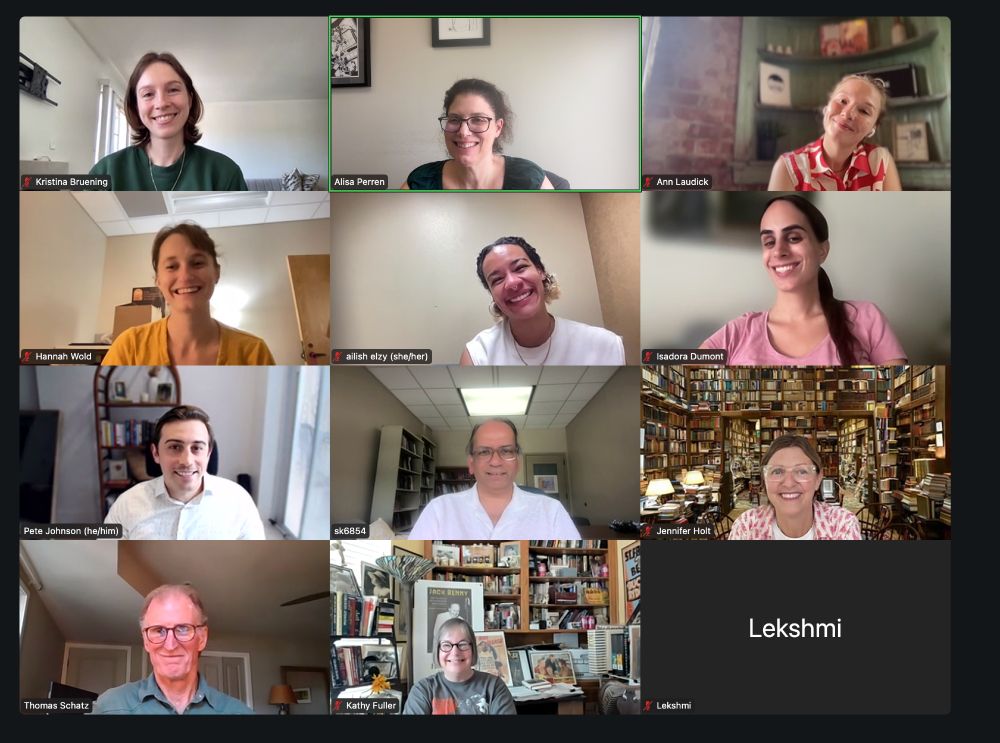
Congrats to DR. Pete Johnson (@itstv.bsky.social) on successfully defending his terrific dissertation, "The Risk Myth: Reassessing the Financial Cultures, Practices, and Structures of U.S. Television, 1945–2013."
Next stop: Visiting Assistant Professor in Communication at the University of Miami!
01.07.2025 19:54
👍 11
🔁 1
💬 1
📌 1
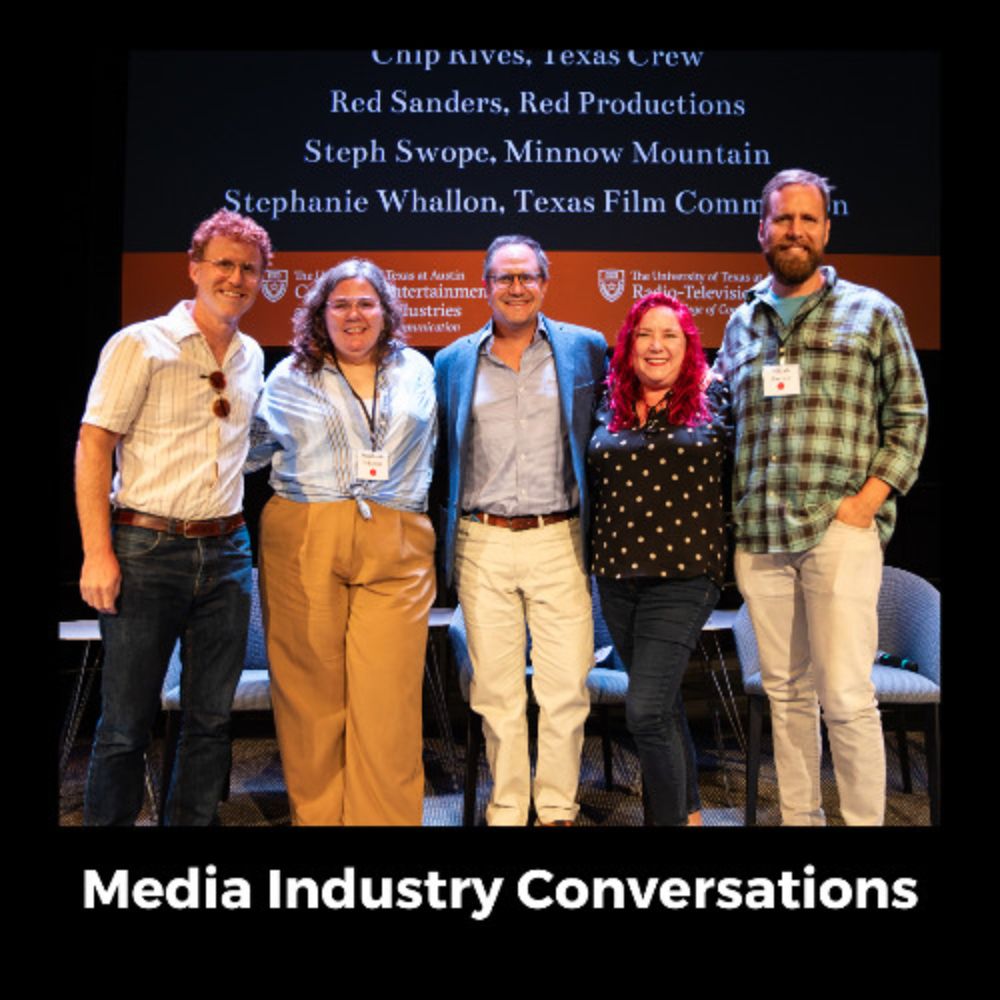
Want to learn about how Texas media industry professionals are active in a range of distribution and exhibition activities across film, television, streaming, and podcasting?
Check out the latest installment in our podcast series! cc @utexasrtf.bsky.social @texasmoody.bsky.social
25.06.2025 17:47
👍 5
🔁 4
💬 0
📌 0
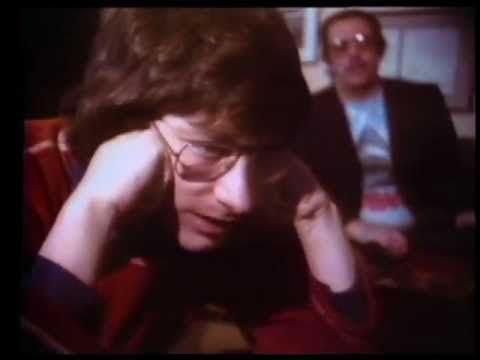
Steven Spielberg watches Oscar nominations in 1976
YouTube video by Media Burn Archive
With everyone reflecting on the 50th anniversary of “Jaws,” it’s the perfect time to revisit this fascinating TVTV clip of Steven Spielberg reacting to the Oscar recognition his blockbuster got — and didn’t get — when nominations came out (via the Media Burn Archive).
20.06.2025 04:19
👍 24
🔁 8
💬 6
📌 4
Flow is experiencing some unexpected back end issues which have resulted in the site currently being down. We are doing our best to get this resolved as quickly as possible. Thanks to those who have already reached out!!
27.05.2025 16:28
👍 4
🔁 1
💬 0
📌 0
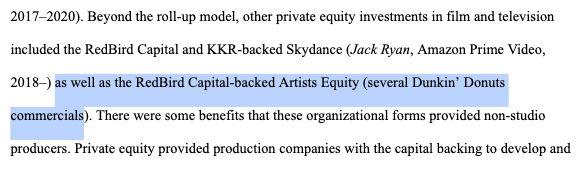
The only section of my dissertation I am willing to share publicly:
#Dunkin
20.05.2025 20:58
👍 2
🔁 0
💬 0
📌 0