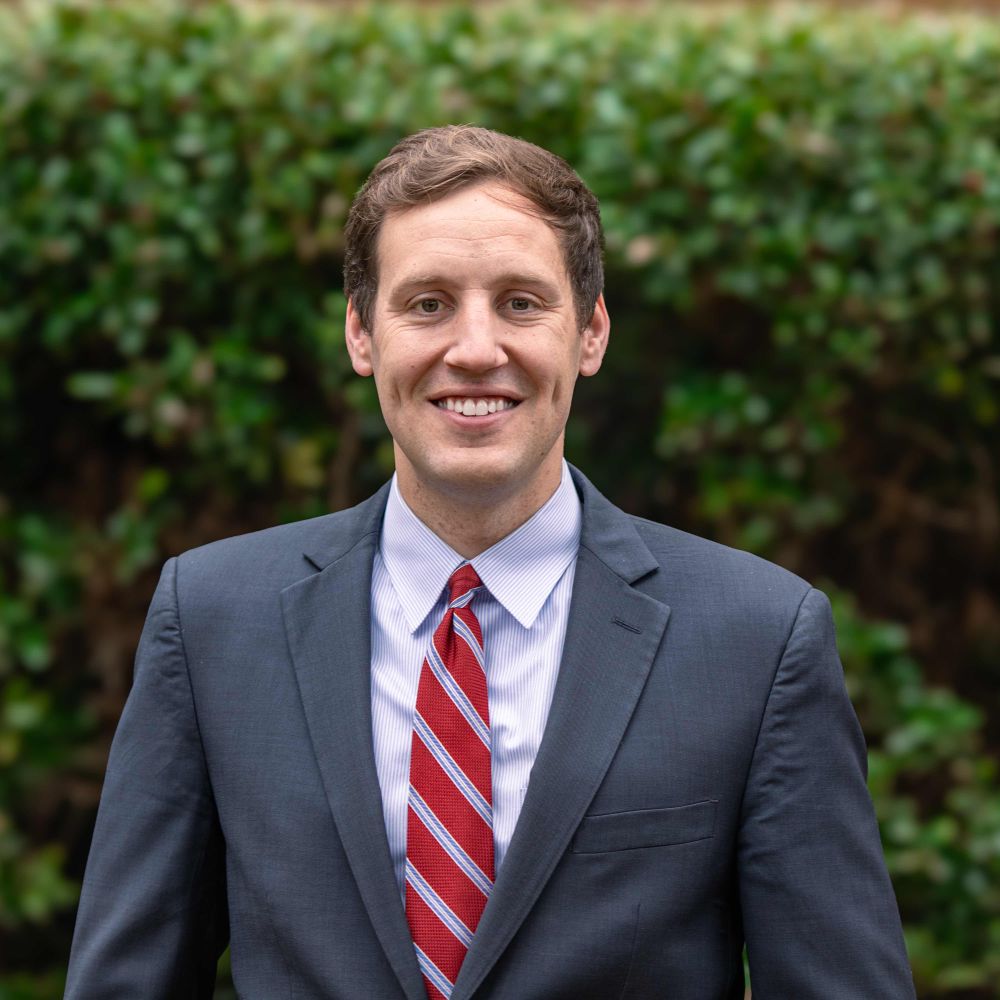
My new paper, The Article III Factfinding Power (forthcoming in the Minnesota Law Review), is now up on SSRN. I'd welcome your thoughts and comments as I continue to improve the piece!
papers.ssrn.com/sol3/papers....
06.03.2026 23:50
👍 1
🔁 0
💬 0
📌 0

I'm honored to be publishing this piece with Vanderbilt Psych Prof Sarah Brown-Schmidt in volume 112 of the Virginia Law Review. In this empirical evidence law and cognitive science article, we identify the risks posed by "hear-witnesses" who inaccurately recall and recount statements at trial.
06.03.2026 21:35
👍 23
🔁 5
💬 2
📌 2
There's been so much fantastic Evidence scholarship lately. Add this to the list!
06.03.2026 23:06
👍 1
🔁 0
💬 0
📌 0
Congrats Sue! Can't wait to read this, it looks awesome.
06.03.2026 23:05
👍 0
🔁 0
💬 0
📌 0
Amazing! I'm just now seeing this, and it looks great. Is this what you'll be presenting at ESW?
06.03.2026 16:23
👍 0
🔁 0
💬 0
📌 0

Happy to share that Developmental Evidence Rules is forthcoming in the California Law Review! What would it mean to take childhood seriously in evidence law? This article takes up that question.
23.02.2026 17:47
👍 17
🔁 7
💬 3
📌 1
Congrats Greer!
06.03.2026 16:14
👍 1
🔁 0
💬 1
📌 0

What an incredible gift from a student! 😃
06.03.2026 16:01
👍 4
🔁 0
💬 0
📌 0
At Vandy, back in 2016, we had a group of about 10 busy 2Ls sifting through 4,000 articles in the spring cycle, and it was all-consuming work then. I can’t imagine what the submission numbers are now, even as VLR’s articles committee is the same size.
05.03.2026 22:10
👍 2
🔁 0
💬 0
📌 0
Quite literally, yes! Fortunately, though, splitting them ended up working really well, since the historical, diagnostic claim I make in (what's become) the Notre Dame paper is independent of my normative constitutional argument in the Minnesota piece. I'll be sure to share once SSRN lets me...
05.03.2026 21:21
👍 2
🔁 0
💬 0
📌 0
Thanks Asees!
05.03.2026 18:15
👍 0
🔁 0
💬 0
📌 0
Thanks so much!
05.03.2026 17:33
👍 0
🔁 0
💬 0
📌 0
I’ll post both papers once SSRN actually approves them (ugh), but feel free to reach out in the interim to get a copy. I welcome your comments! (4/4)
05.03.2026 16:18
👍 2
🔁 0
💬 0
📌 0

“The Article III Factfinding Power” considers the constitutional dimensions of that shift. It argues that, as factfinding becomes decentralized, federal courts nonetheless retain the duty to preserve an essential baseline of epistemic legitimacy in the factfinding that grounds their judgments. (3/4)
05.03.2026 16:18
👍 2
🔁 0
💬 1
📌 0

“Factfinding Revolutions" traces the rise and fall of historical factfinding regimes to identify a recurring structure of regime collapse. The Article then uses that framework to exposit a modern factfinding revolution, which is ushering in a new age of adjudicatory decentralization. (2/4)
05.03.2026 16:18
👍 1
🔁 0
💬 1
📌 0
Excited to share two projects, forthcoming in the Minnesota Law Review and the Notre Dame Law Review, about federal courts’ increasing reliance on “external” factfinding of epistemically dubious provenance. (1/4)
05.03.2026 16:18
👍 20
🔁 5
💬 4
📌 1
Of course! Tbh, I don't really get why his email is so vague (it's a cool idea, but not a state secret). Maybe it's the publisher pushing NDAs.
Alas, though, your broader point stands. I have no doubt someone is going to use AI for grading, and predictably disastrous consequences will ensue.
28.02.2026 22:34
👍 2
🔁 0
💬 0
📌 0
As an aside, however, really enjoyed the article @msmith750.bsky.social!
28.02.2026 21:37
👍 1
🔁 0
💬 1
📌 0

173 Asees Bhasin & Jasmine Gonzales Rose — Excited Utterance
I had an amazing time chatting with @aseesbhasin.bsky.social and Jasmine Gonzales Rose about their fantastic new article, "Antiracist Expert Evidence," which was recently published in the @yalelawjournal.bsky.social. Listen below!
excitedutterance.com/listen/2026/...
28.02.2026 20:40
👍 2
🔁 1
💬 0
📌 0
Two weeks ago, I chatted with said individual (no NDA!), and his project, which I assume is the same one referenced in his email, wasn't AI-related. Rather, it was basically a new way to "test" rules of evidence. As in, not essay or MC. A company bought the rights, which perhaps explains the NDA?
28.02.2026 20:32
👍 1
🔁 1
💬 1
📌 0
And, to clarify, I didn't have to sign an NDA!
28.02.2026 20:23
👍 2
🔁 0
💬 0
📌 0
Two weeks ago, I chatted with the individual in question, and his project (which I assume is the same one referenced in his email) wasn't AI-related. Rather, it was basically a new way to "test" rules of evidence (as in, not essay or MC). A company bought the rights, which perhaps explains the NDA?
28.02.2026 20:22
👍 3
🔁 0
💬 1
📌 0
Amazing news! Congrats Nila, so well deserved.
07.02.2026 01:34
👍 1
🔁 0
💬 0
📌 0

Thrilled to share that 𝐺𝑢𝑖𝑙𝑡 𝑏𝑦 𝑃𝑎𝑟𝑒𝑛𝑡ℎ𝑜𝑜𝑑 has found a home with the Yale Law Journal. This piece examines parental liability regimes and parental rights, and how they are connected by a shared logic that harms children and families. Thank you to all those who read drafts and offered feedback!
06.02.2026 17:01
👍 65
🔁 10
💬 7
📌 2
It’s day 5 of being snowed in, and I’ve officially hit the “explain the character evidence prohibition” phase of trying anything and everything to keep my kids entertained.
(And, in case you’re wondering, they think law students *always* have to keep their hands raised.)
28.01.2026 21:05
👍 2
🔁 0
💬 0
📌 0

The Confrontation Clause and COVID Masks - nunn.law
Category: caselaw
Texas’s highest court holds that the Confrontation Clause required witnesses to testify unmasked during the Covid pandemic so the jury could evaluate their demeanor and credibility. And so regrettably, evidence law’s predilection for “folk psychology” marches on.
www.nunn.law/blog/covid-c...
27.01.2026 20:01
👍 0
🔁 0
💬 0
📌 0
After surveying the divergent perspectives of all nine justices, I came to two conclusions.
First, the era of reliability principles in Confrontation Clause jurisprudence is well and trial over.
Second, the post-Crawford primary purpose test is safe, but for differing reasons.
22.10.2025 13:59
👍 2
🔁 0
💬 0
📌 0
Revisiting Crawford v. Washington - nunn.law
Category: caselaw
Justices Alito and Gorsuch recently called for “reconsideration” of Crawford v. Washington, signaling potential upheaval for Confrontation Clause jurisprudence.
Will the Court jettison more settled doctrine? In my new blog post, I offer a prediction.
nunn.law/blog/revisit...
21.10.2025 22:06
👍 4
🔁 0
💬 0
📌 1

Today's blog post: "Supreme Court of Kentucky Finds Raw, Machine-Extracted Data Does Not Implicate the Confrontation Clause": www.evidenceprofblog.com
19.09.2025 14:07
👍 3
🔁 1
💬 0
📌 0
Asees Bhasin on Bias and the “Low Bar” of Relevance - nunn.law
In an engaging new article, which is now forthcoming in the California Law Review, Asees Bhasin challenges the belief that Rule 401’s threshold for evidentiary relevance presents an objective, neutral...
It’s easy to overlook Rule 401, but its low bar for relevance reflects a hugely consequential policy choice regarding how to best allocate decisionmaking power between judge, jury, and rulemakers.
My thoughts on @aseesbhasin.bsky.social’s engaging new article:
nunn.law/blog/asees-b...
19.09.2025 14:01
👍 4
🔁 1
💬 0
📌 0