
Let me see…
25.02.2026 09:55
👍 1
🔁 0
💬 0
📌 0
Let me see…
Is it that time of year already! London Trip!
That is rather wonderful.


Christmas Eve evening stroll on the beach…

An amazing sky over our house early this morning.

Tonight’s moon over north Cornwall - taken from our garden gate

This book applies the innovative work-task approach to the history of work, which captures the contribution of all workers and types of work to the early modern economy. Drawing on tens of thousands of court depositions, the authors analyse the individual tasks that made up everyday work for women and men, shedding new light on the gender division of labour, and the ways in which time, space, age and marital status shaped sixteenth and seventeenth-century working life. Combining qualitative and quantitative analysis, the book deepens our understanding of the preindustrial economy, and calls for us to rethink not only who did what, but also the implications of these findings for major debates about structural change, the nature and extent of paid work, and what has been lost as well as gained over the past three centuries of economic development. This title is also available as open access on Cambridge Core.

Cover of Whittle, Jane, Mark Hailwood, Hannah Robb, and Taylor Aucoin. The Experience of Work in Early Modern England. of Cambridge Studies in Economic History - Second Series. Cambridge: Cambridge University Press, 2025.
Who did what in early modern England?
New #OpenAccess book, 'The Experience of Work in Early Modern England' by @jwhittle.bsky.social, @markhailwood.bsky.social, @hkrobb.bsky.social & @aucointaylor.bsky.social, based on thousands of #EarlyModern court depositions 🗃️
Read it: doi.org/10.1017/9781...
Sailors occupied a liminal space - indispensable for commerce & empire, yet fundamentally untethered from stable agrarian communities. Fascinating as I didn’t know it stretched so far back.
being tempted. Far from home by soaring hopes and dreams.’
The view of sailors as rootless outsiders is pervasive - potential destabilisers to settled communities. And as voyages became longer and cultural encounters more profound?
For they receive a mixture of strange languages & customs, & import foreign ways as well as foreign merchandise, so that none of their ancestral institutions can possibly remain unchanged. Even their inhabitants do not cling to their dwelling places, but are constantly …

Been reading up on when sailors became a distinct profession and of course it’s meant reading some Roman texts. Came across this from Cicero about founding of Rome and why it was not placed by sea: ‘…maritime cities also suffer a certain corruption & degeneration of morals; …

New adventures! New job! Back to school!
Ahoy Professor Murphy! Exciting and excellent news and many congratulations!


The other half went for a themed cake for my birthday this year!


Finally getting around to unpacking the cat…

John just about to be abducted by aliens…

Casper has met the new neighbours!
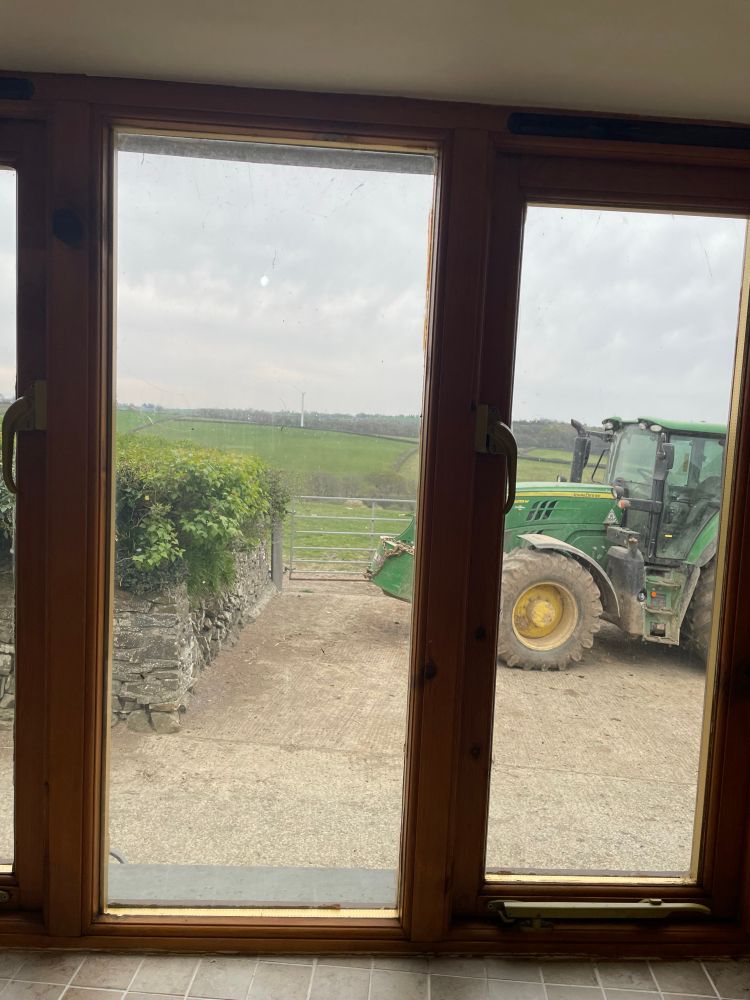
It’s moving day and this is the new view from the kitchen sink window!
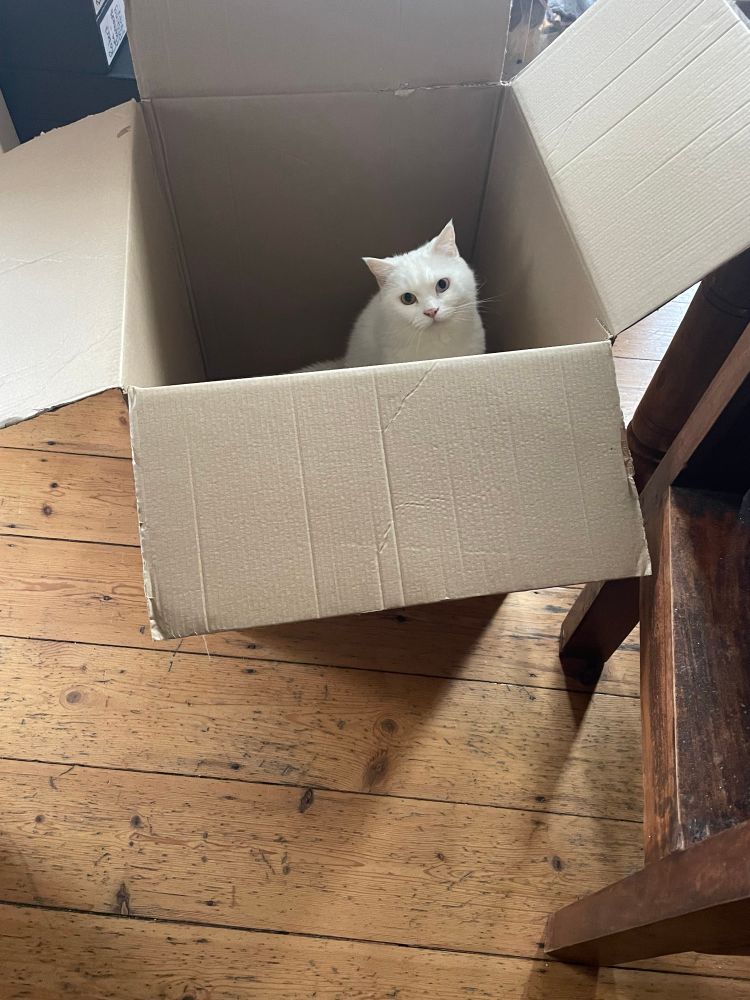
Well, I guess the packing is done!
No. Nothing as yet. But what ever I find it’ll pay more than I earned last year as an AL.
Bogeys…
How you doing!?
Brilliant idea! Hope it goes well.
You’re welcome. It looks to be a great resource.

I think it maybe the one developed by University of Warwick? witchhunt1649.com
Hope this is the one you are looking for.

November 1758. Extract of letter from Capt Tyrell (HMS Buckingham) after battle with French: ‘Capt Troy […] at the head of his Marines, performed the Service of a brave and gallant officer’ cleared the Poop & Quarter Deck of the Florissant & drove the French like ‘Sheep down upon their Main Deck’
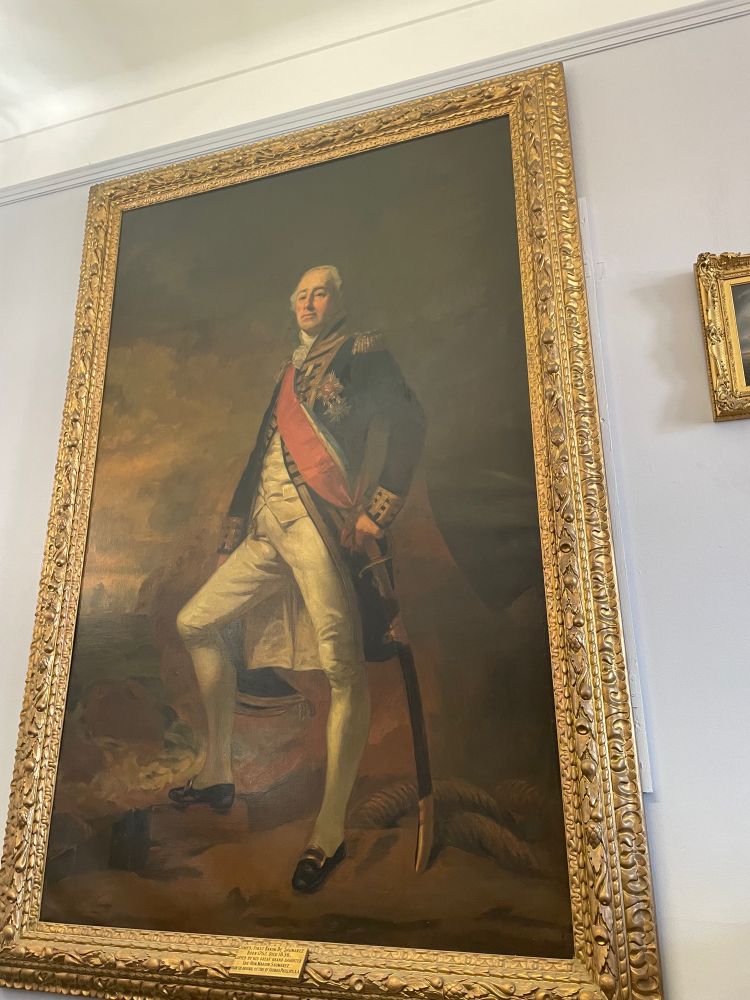
Spending my lunch hour in the library with this chap looming over my reading table!

Marine officer recounts action 1798 in Battle of Nile: ‘if you look over the returns of all naval actions…you will find the marines suffer in much greater proportion than the rest; here in the poop we are so exposed & then the colour of the cloth, red, attractive mark to shot’

Marine officer recounts tale he heard from R. C. Reynolds (Commander f Amazon) of action by Amazon & Indefatigable against French warship Droits de l’Homme in 1797: ‘we fastened like bull dogs upon the haunches of the great 74…& worried her for 5 hours’

Marine officer writing of return to Plymouth after months at sea (1800s): ‘who has not seen soft Plymouth, the gem of the west, & it’s swelling bosom at Mount Edgecumbe, & Cawsand Bay, & the Sound, & it’s deepening beauties down the harbour, & Mount Wise, & it’s merry shore?’

1805 anecdote concerning ‘fictitious rating’ on board ship: a marine and sailor were crossing the admirals paddock at Plymouth & 2 horses grazing there. The sailor throws a stone at 1 of the horses. The marine says ‘My eyes, Jack, ‘don’t pelt that poor fellow he’s rated quartermaster on our ship’