
Towards the human-induced “eemification” of the recent Holocene: a perspective from the Canary Islands
The ruling climate conditions during the Last Interglacial, the Eemian (ca. 130–120 ky BP), were warmer and, consequently, the sea level stood 8–10 m higher than today. Ongoing human-induced climate c...
“Eemification” is a new term coined for describing the gradual human-induced transition from the Holocene towards the warmer Eemian (130-120 Ka BP) conditions. We exemplify here this on-going transition with the changes observed in the last decades in the Canary Islands’ climate and biodiversity.
04.03.2026 18:16
👍 3
🔁 2
💬 0
📌 0

Registration & Call for Symposia open! more info: sites.google.com/view/island-...
02.02.2026 18:49
👍 3
🔁 2
💬 1
📌 0

A new paleo record from Tenerife combines shell middens and agricultural terraces to reveal shellfish gathering strategies and coastal vegetation change over 1000 years of human-environment interaction. doi.org/10.1177/0959... @cienciaull.bsky.social
15.01.2026 11:04
👍 6
🔁 4
💬 0
📌 0
El registro paleoecológico de Vega de Arucas: 28,000 años de clima, vegetación e incendios
YouTube video by Álvaro Castilla Beltrán
Lead by Pili Martin Ramos 😊we present a new palaeoecological record in the Canary Islands, which reveals how climate, vegetation, and fire changed on the islands over the last 28,000 years 🌍
sciencedirect.com/science/articl…
@fdezpalacioslab.bsky.social @ferpalenrique.bsky.social and more 😊🏝️
31.10.2025 15:24
👍 6
🔁 5
💬 0
📌 0
👀 Algo te observa entre las sombras…
En esta noche de #Halloween 🎃 no solo los espíritus están al acecho.
Mira a este búho real 🦉, dueño y señor de la oscuridad. 🌌👻
📍Parque Nacional de las Tablas de Daimiel
31.10.2025 19:02
👍 42
🔁 16
💬 0
📌 1


📍Hoy traemos una curiosidad del Parque Nacional de Ordesa y Monte Perdido
🌸 Algunos lirios azules o de montaña presentan flores hipocromáticas, una alteración genética que reduce sus pigmentos y les da ese tono blanquecino🤍
Eso sí, siguen fotosintetizando con total normalidad 🌞
23.10.2025 17:03
👍 19
🔁 7
💬 0
📌 0


Our new book “Los Bosques Termófilos. Canarias, Madeira y Cabo Verde” about Macaronesian thermophilous woodland is out now! It was recently presented in Lanzarote at the Sala Saramago, hosted by Fundación César Manrique. Thanks to everyone who joined us!
13.10.2025 10:28
👍 0
🔁 0
💬 0
📌 0
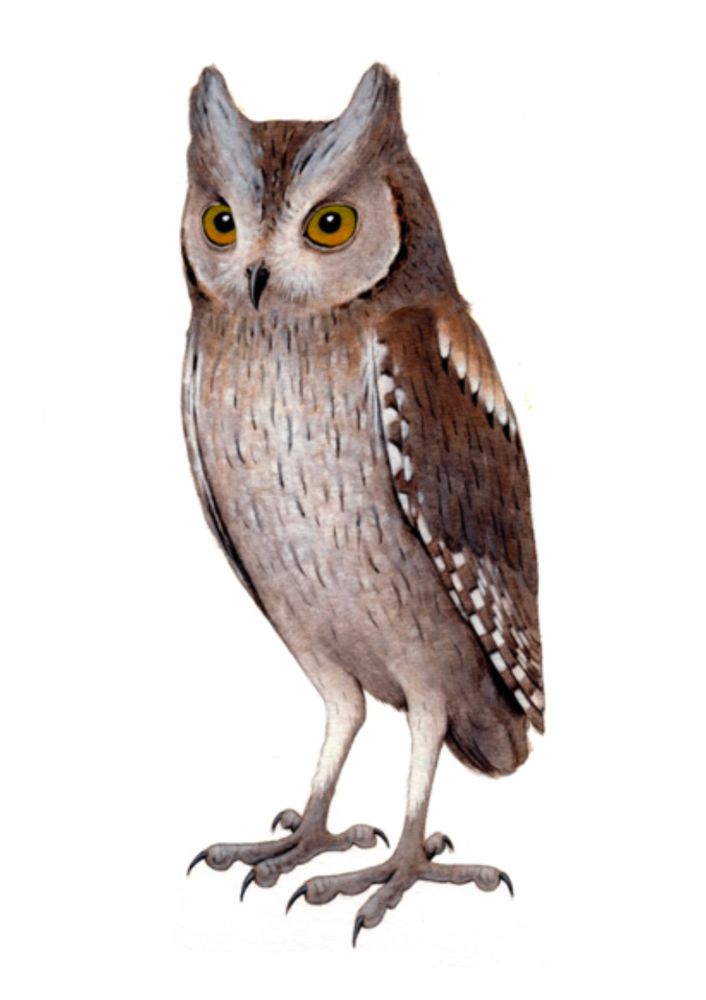
Artist reconstruction of the Madeiran Scops Owl (Otus mauli) from Madeira Island.
CREDIT: Pau Oliver
A survey of all known extinctions in Macaronesia (the Azores, Madeira, Selvagens, the Canaries, and Cabo Verde) finds that half of the islands’ birds have been lost. Many birds, including the Madeiran owl, were lost after humans arrived. In PNAS Nexus: academic.oup.com/pnasnexus/ar...
29.08.2025 17:06
👍 3
🔁 2
💬 0
📌 0


