
Thank you, Kenichi! Great to hear that you like it!
23.09.2025 08:15
👍 1
🔁 0
💬 0
📌 0
Thank you, Kenichi! Great to hear that you like it!
Thank you, Gitta! We are waiting with anticipation to see how our work will be received...

We proudly present a new preprint by Leon Pierdzig et al: Wall teichoic acids, glycopolymers specific to Gram-positive bacteria, trigger defense and cell death in Arabidopsis. Cysteine-rich RLKs act as key components in their perception. doi.org/10.1101/2025...

...and snapshot with a bat flying through...🦇... "blood" moon misunderstood?😂🧛
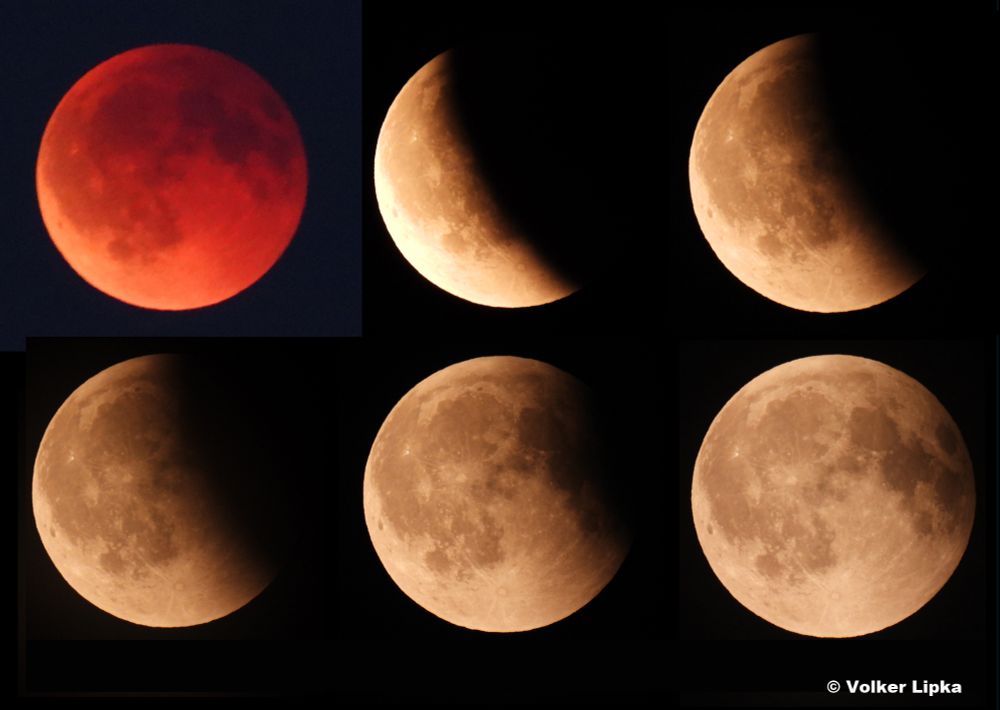
Blood moon during total lunar eclipse last night and migration of the Earth's shadow ...
Great news! Congrats and all the best for a smooth move and great start!
That said, we're more than happy with this outcome — it's certainly preferable to the typical endless rounds of additional experiments often demanded during peer review. 😉
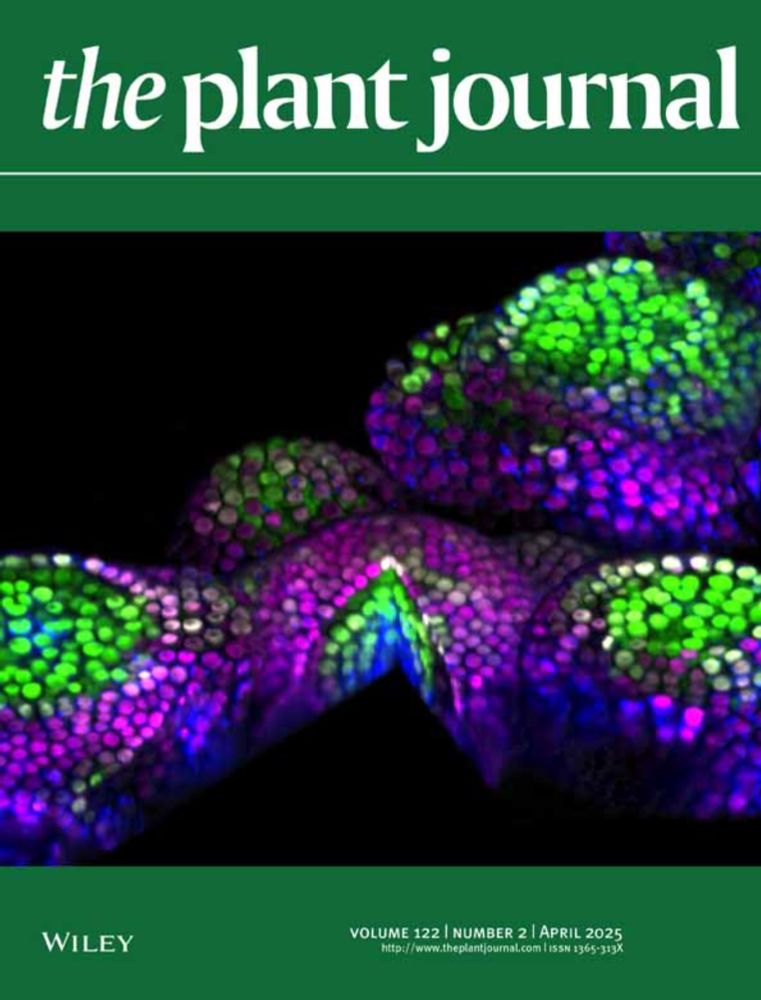
Our paper dx.doi.org/10.1111/tpj.... has finally been accepted and published today in The Plant Journal — congratulations to everyone involved! For those interested, the earlier bioRxiv version includes additional data that, unfortunately, didn't make it into the final publication.
Thanks, Ivo! 😉
Thank you, Tonni!
Thanks, Marc! 😉
Thanks, Jennifer!
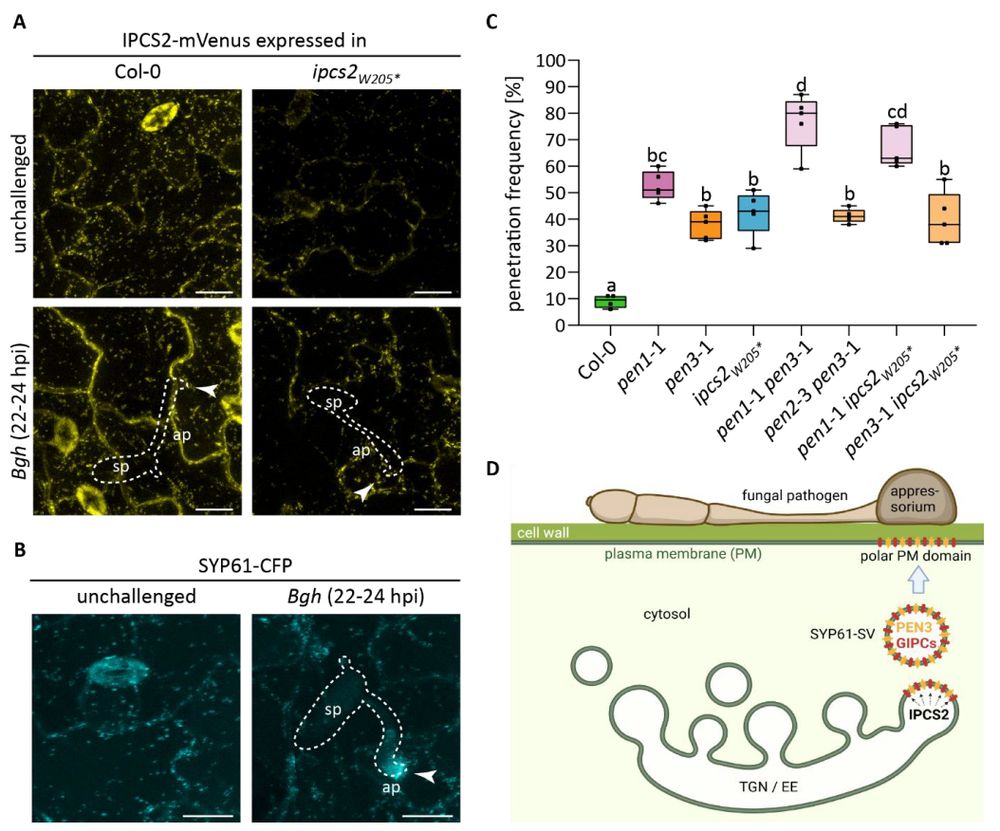
Our findings underpin that sphingolipid production contributes to the role of the trans-Golgi network as a multi-domain sorting compartment and is required for defense against pathogen invasion.

Here, we provide evidence that INOSITOL PHOSPHORYLCERAMIDE SYNTHASE 2 (IPCS2) is involved in proper delivery of the ATP-binding cassette transporter PEN3 to polarized plasma membrane domains at plant-microbe interaction sites.

To all colleagues who share an interest in sphingolipids, endomembrane trafficking & membrane domain formation, pathogen-induced cell polarization and entry control, here is another potentially interesting preprint: biorxiv.org/cgi/content/...

Our analyses suggest dysregulated mRNA decay & accumulation of transcripts encoding master regulators of xylogenesis. Tissue-specific developmental reprogramming & de novo xylem formation ultimately increase the plant's water storage capacity & resistance to drought stress. (5/5)

We show that TRADE triggers sustained phosphorylation of VARICOSE via co-option of ABA-independent SNF1-Related Protein Kinases 2, which are known to control rapid and transient intracellular signaling for adaptation to osmotic stress and root development. (4/5)

We show that TRADE interacts with the conserved protein VARICOSE (VCS), a scaffold protein of processing (P) bodies, which represent cytosolic subdomains of mRNA turnover & storage formed by liquid-liquid phase separation. (3/5)

We are thrilled by and proud of this recent collaborative effort, in which we identified a single fungal effector protein, TRADE, that induces cell identity switches in dicot plants and thereby enhances plant resilience to concomitant drought stress conditions. (2/5)
Here is a preprint with potential interest to those fascinated by host-microbe interactions, abiotic stress adaptation, xylogenesis, P bodies & mRNA turnover, and extended phenotypes induced by microbial effectors: biorxiv.org/cgi/content/... (1/5)