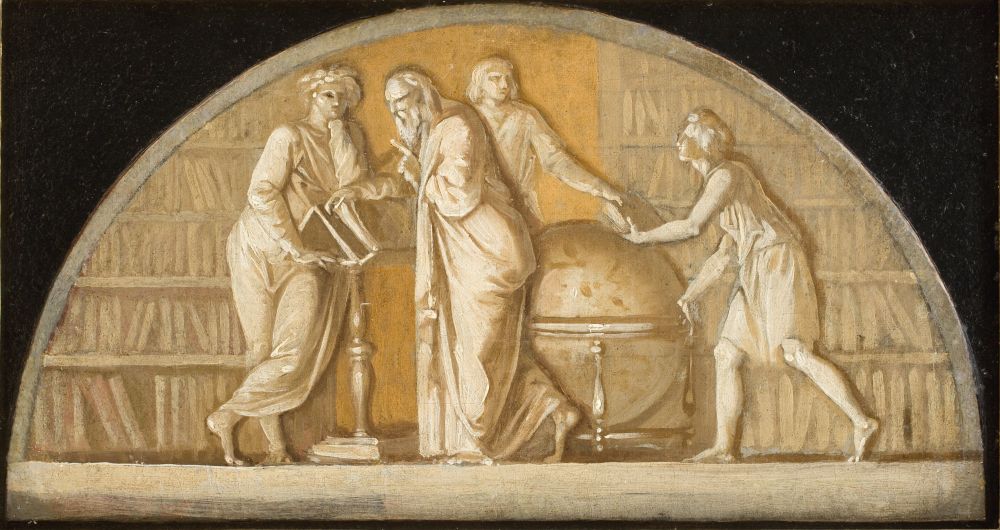
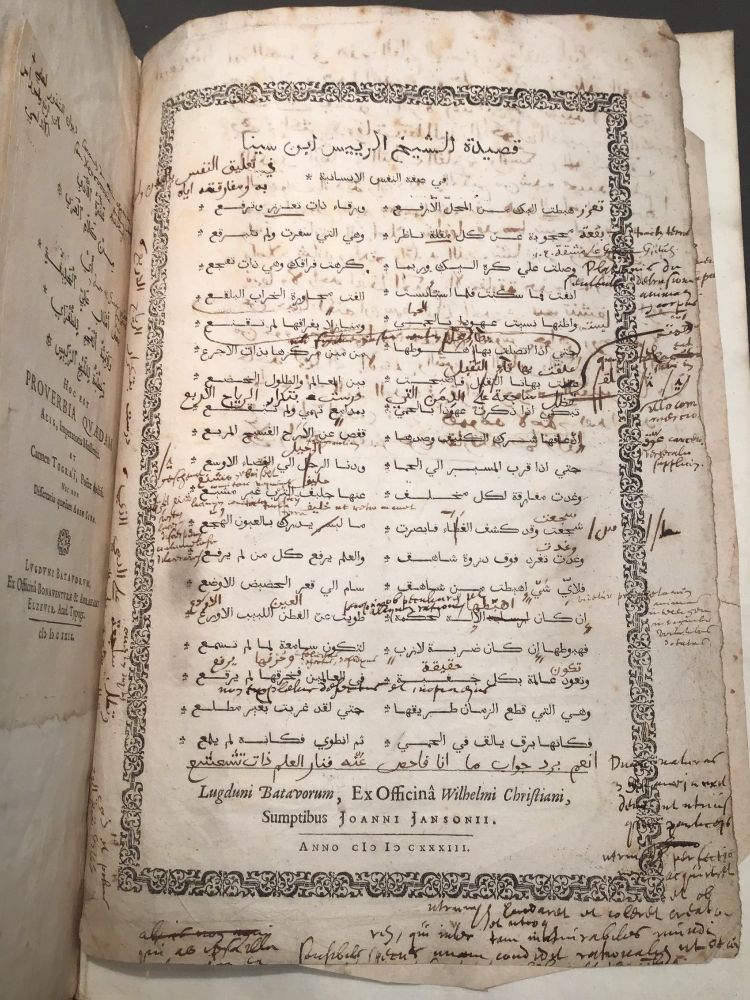
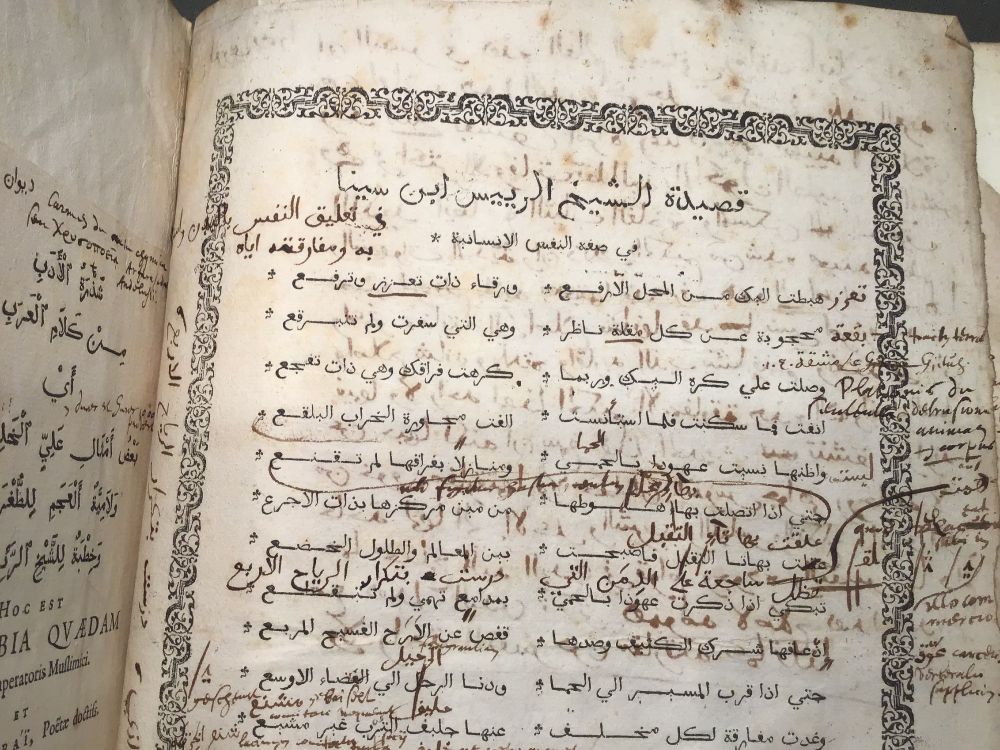
“God will bring ease after hardship”: 1593 album amicorum entry by Franciscus Raphelengius (1539-1597), quoting from Ecclesiastes (in Hebrew), Apollinaris’s Metaphrase of the Psalms (in Greek), and the Qur’an (in Arabic). Koninklijke Bibliotheek, ms 74 G 21
27.02.2026 21:39
👍 13
🔁 5
💬 1
📌 0
Lemming died in Madrid in 1819, not long after de Sacy left him the kind note. The manuscript was returned with the rest of Lemming's belongings to Denmark and is today Copenhagen Royal Library, ms Cod. Arab. 228
25.02.2026 23:33
👍 0
🔁 0
💬 0
📌 0

Presumably they were copying the Escorial manuscript of the work (now lost). Lately, I've been puzzling over how this manuscript got to Paris, and what these details might tell us about its copyist. The seventeenth-century annotations are Casaubon's. Cambridge University Library, ms Mm.5.26.
14.02.2026 18:04
👍 4
🔁 0
💬 1
📌 0


Rushed work: whoever copied this manuscript of Juan Gabriel of Teruel’s Latin Qur'an translation started by only copying the Arabic & the Latin translation, leaving blank columns for Latin transliteration & notes. By the end, however, they simply filled all columns with the translation.
14.02.2026 18:04
👍 11
🔁 2
💬 1
📌 0
Before we moved away, I saw they were planning to open up a new non-profit video rental store on Main St in Northampton. I don't think return even has to be all that nostalgic. It's practical: there's so little available on streaming and the best service (TUBI) is ad based.
18.01.2026 18:26
👍 1
🔁 0
💬 1
📌 0
The Multiplicity of Scripture: The Making of the Antwerp Polyglot Bible – Pontifical Institute of Mediaeval Studies
By way of introduction: my book, The Multiplicity of Scripture: The Making of the Antwerp Polyglot Bible (Toronto: PIMS 2025)
pims.ca/publication/...
Available in North America via @uoftpress.bsky.social, in Europe via @brepols.net, and in digital form by @degruyterbrill.bsky.social
07.01.2026 09:09
👍 31
🔁 10
💬 4
📌 4
Indeed, Leemann doesn't line up chronologically. Maybe the notes are earlier, and in a different hand (though the handwriting is similar). Perhaps recorded from annotations in another copy? Always possible there's a textual source but can't find it and there are no page numbers.
06.11.2025 03:30
👍 1
🔁 0
💬 0
📌 0
Not exactly news (since the semester began in August), but I’m very happy to have started a position as an Assistant Professor in the Department of Religion at the University of Georgia.
05.11.2025 21:39
👍 12
🔁 0
💬 4
📌 0
If there's anything more exciting than seeing a book you work on in an exhibition, it's surely being invited to talk about it. Very excited for this event next month!
📷 Lancelot Browne's annotated copy of Avicenna in Arabic at the @rcpmuseum.bsky.social exhibition, 'A body of knowledge'.
04.11.2025 12:12
👍 25
🔁 8
💬 3
📌 0
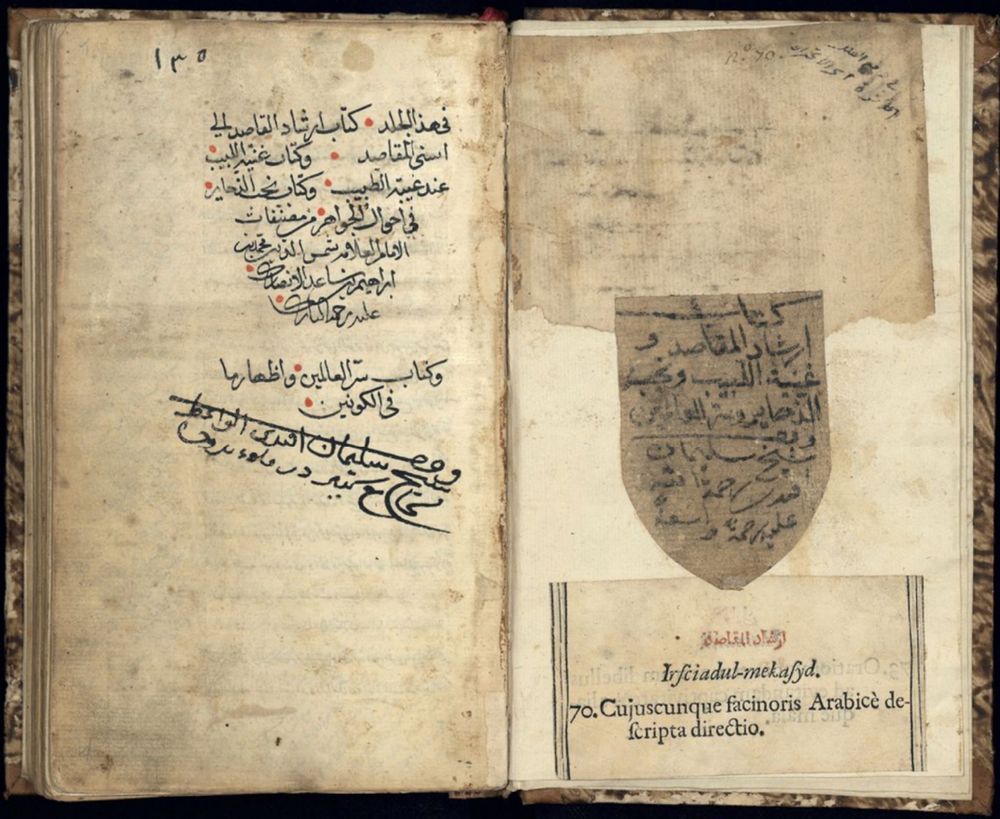
Ms. 3406, Süleyman Efendi’s endowment deed on folio 1r. Bologna, Biblioteca Universitaria di Bologna, ms. 3406 © 2023 by AMS Historica is licensed under CC BY-NC-ND 4.0
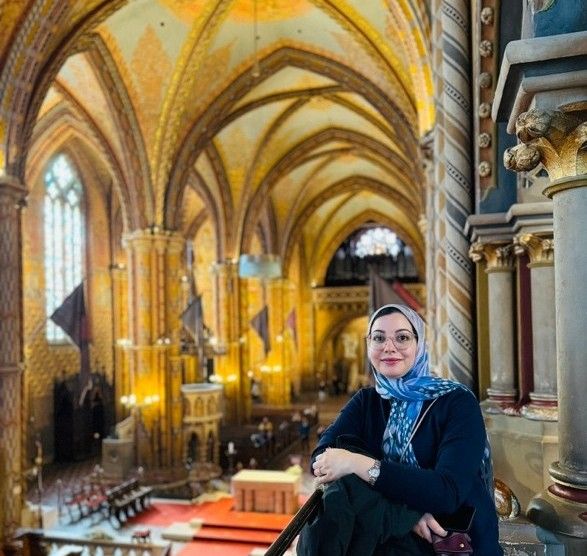
Rawda El-Hajji visiting the Church of Our Lady of Buda Castle, Budapest. © Ashraf Sarip
Once a hub of Ottoman culture, Süleyman Efendi’s library was scattered by conquest. In our PhD Research Series, Rawda El-Hajji traces these manuscripts, showing how they help reconstruct lost intellectual communities and reveal the fate of cultural heritage in times of conflict:
uhh.de/csmc-el-hajji
06.08.2025 13:05
👍 29
🔁 9
💬 0
📌 0
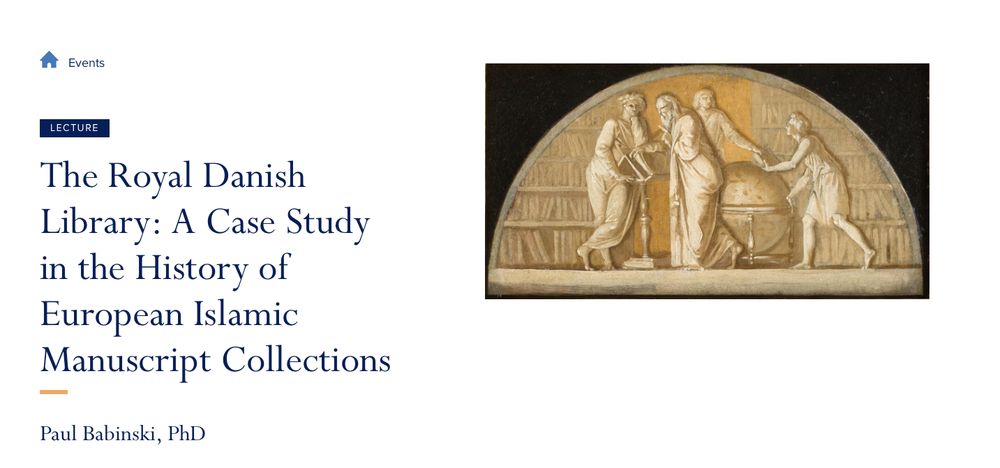
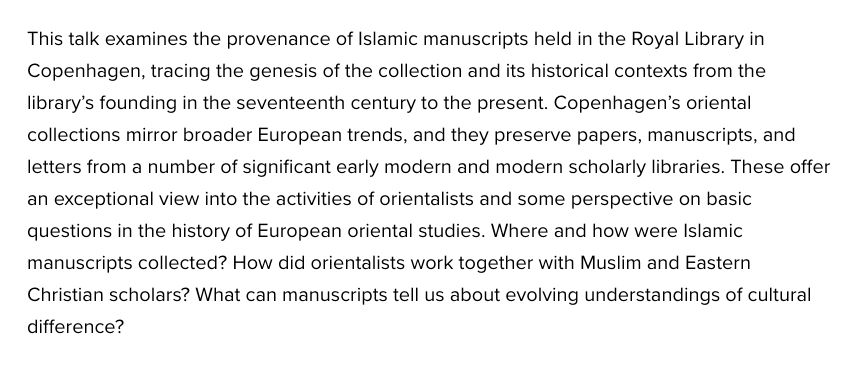
This Friday I'll give a talk online (for UPenn's Schoenberg Institute) on the collection of Islamic manuscripts at the Royal Library in Copenhagen. Please come (link below)! I’ll be highlighting some of the new finds made by the Copenhagen team of the EuQu project.
22.04.2025 16:36
👍 13
🔁 6
💬 1
📌 0
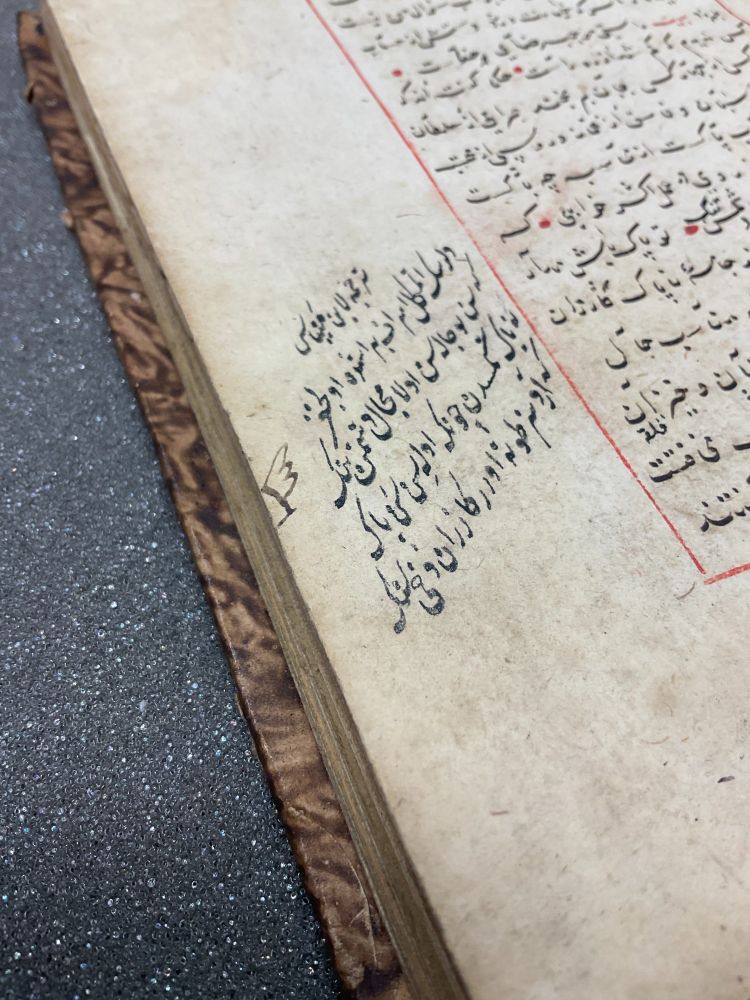
Early modern manicule left by an orientalist in a Bologna copy of Saʿdī’s Gulistān. It points to an Ottoman marginal note with the fifteenth-century Turkish translation (by Manyaslı Mahmud) of a passage in the Persian text. Bologna University Library, ms 3280.
14.03.2025 08:15
👍 14
🔁 2
💬 0
📌 0
That sounds promising. Thank you!
01.03.2025 17:26
👍 1
🔁 0
💬 0
📌 0
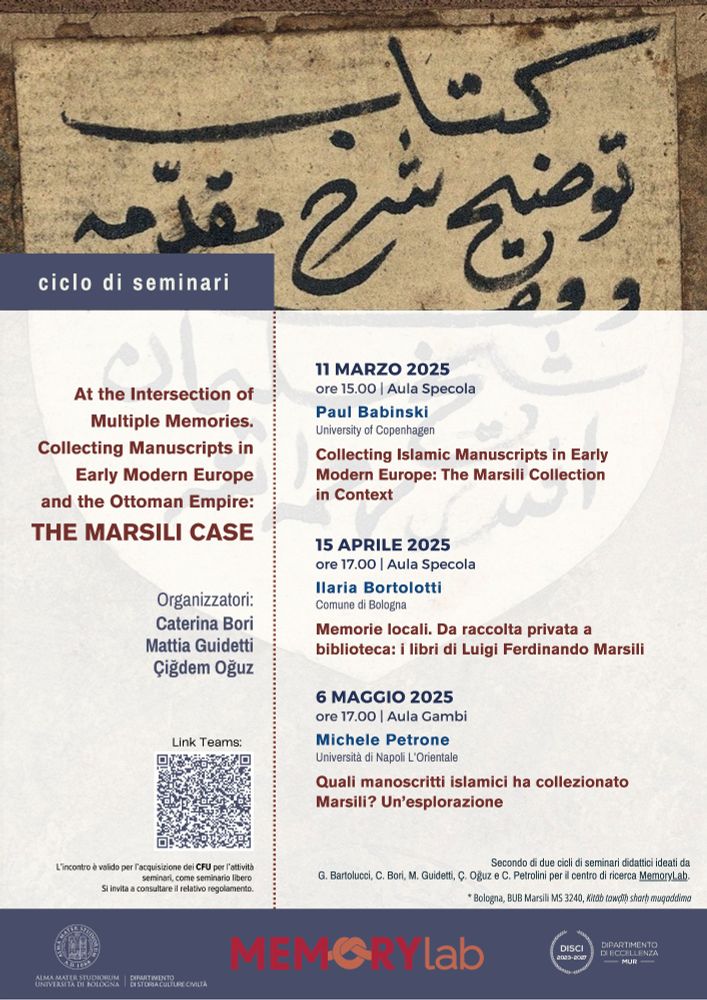
I’m very excited to be speaking on March 11 at the University of Bologna on the history of collecting Islamic manuscripts in Europe, for the series “At the Intersection of Multiple Memories. Collecting Manuscripts in Early Modern Europe and the Ottoman Empire: The Marsili Case”
01.03.2025 16:58
👍 20
🔁 4
💬 1
📌 0
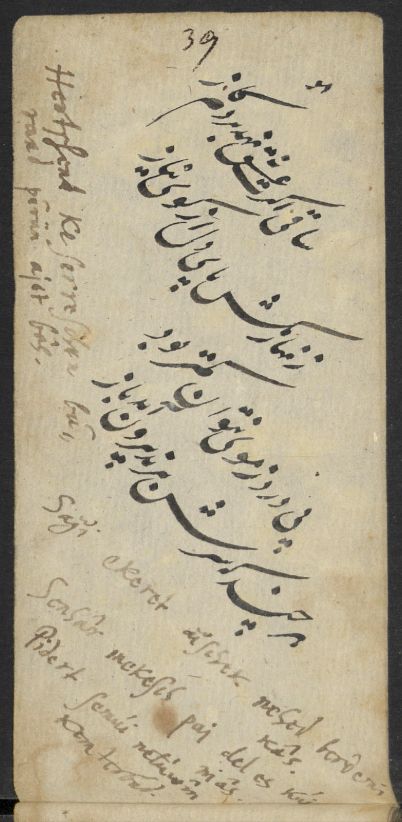
Olearius’s notebook is today (with a number of other Olearius manuscripts) in the Berlin State Library and was recently digitized: resolver.staatsbibliothek-berlin.de/SBB0002F6C50...
09.01.2025 20:12
👍 2
🔁 0
💬 0
📌 0
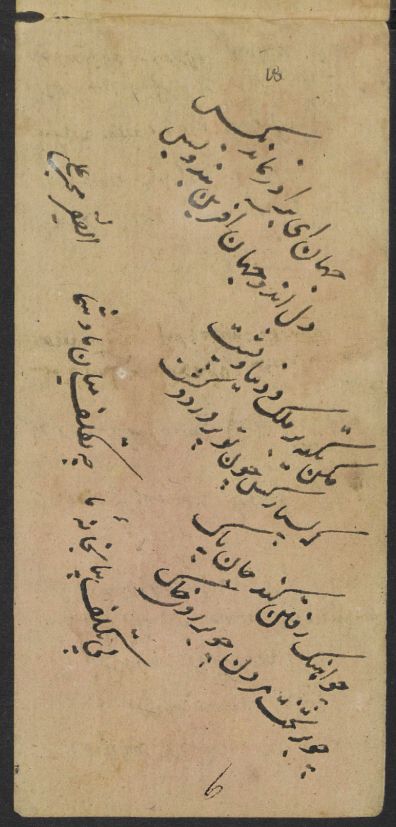
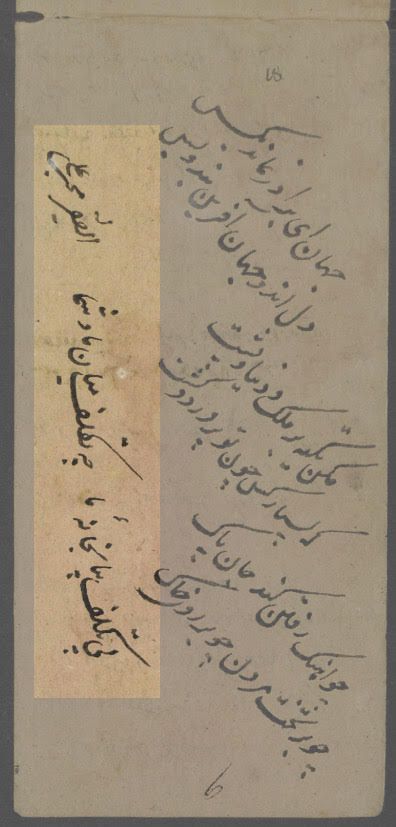
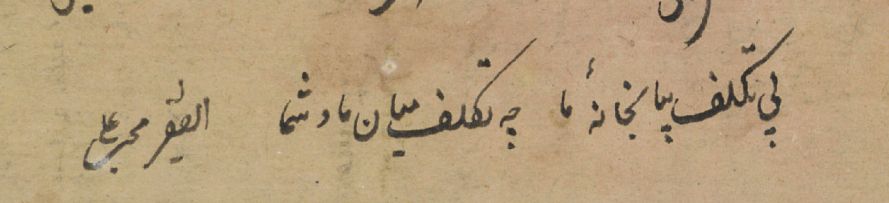
“Come to our house without ceremony / For what ceremony is there between you and us” - Persian verse written by Muḥibb ʿAlī, the teacher of a seventeenth-century German traveler in Shamakhi, Adam Olearius (1599-1671), in the notebook Olearius used for studying Persian. SBB-PK, ms or. oct. 3
09.01.2025 20:12
👍 7
🔁 0
💬 2
📌 0
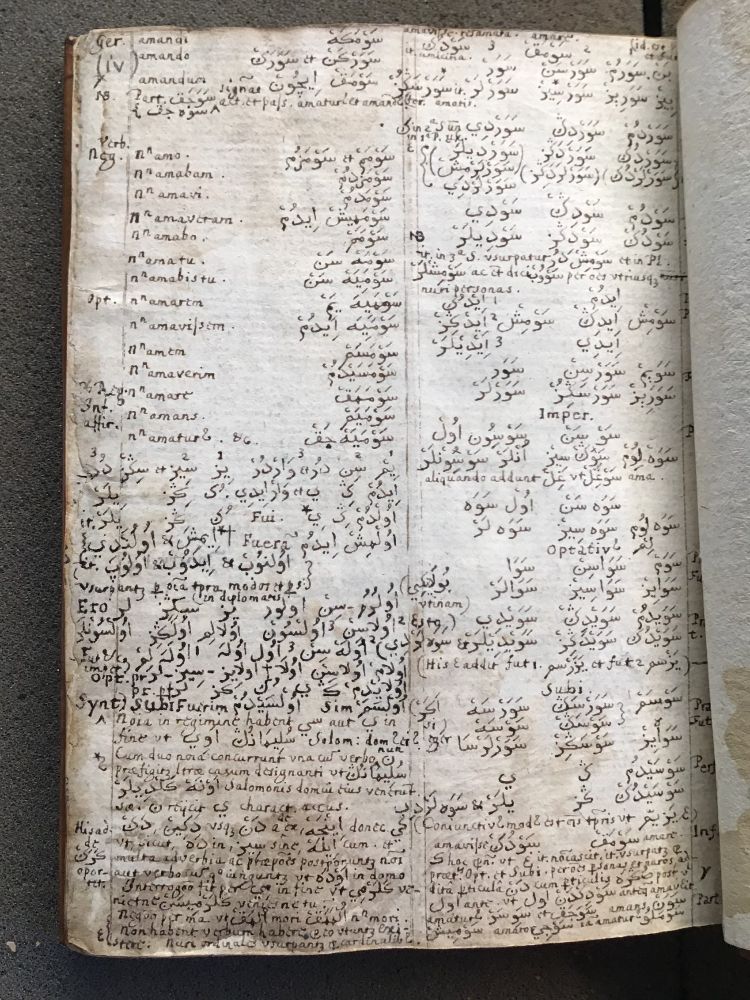
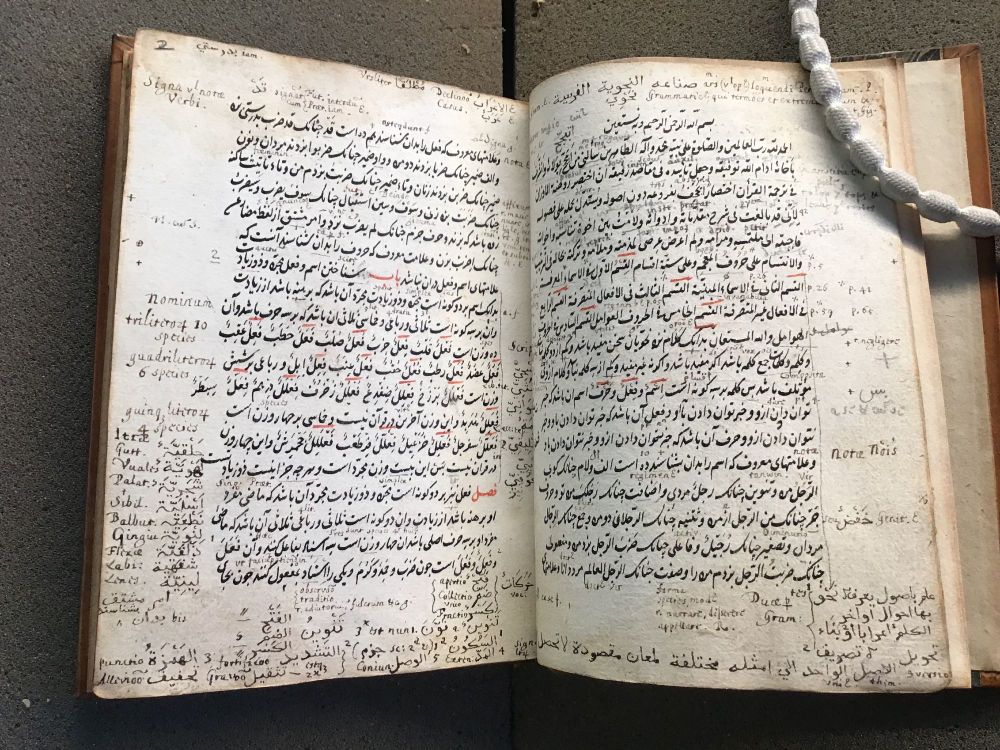
The three languages of Ottoman learning: notes on Turkish grammar (with the conjugation of "sevmek", to love) recorded by the English orientalist John Greaves (1602-1652) on the flyleaf of a Persian-language grammar of Arabic, also annotated by Greaves. Bodleian, ms Pococke 28.
08.01.2025 02:00
👍 18
🔁 3
💬 1
📌 0
Robyn's done incredible work on the subject and has managed to track down a bunch of these Istanbul albums. Fascinating manuscript. Thanks for sharing!
06.01.2025 16:58
👍 1
🔁 0
💬 0
📌 0
A fascinating meeting of two manuscript cultures. The Newberry manuscript uses Ottoman silhouetted paper (with columns for the two hemistichs of Ottoman poetry), turned 90° to record Latin/French sayings. For reference: a collection of Turkish poetry (KB-Copenhagen, ms Cod. Turc. 21)
06.01.2025 16:42
👍 11
🔁 0
💬 1
📌 0
@robyndoraradway.bsky.social
06.01.2025 16:25
👍 1
🔁 0
💬 0
📌 0
I think this misrepresents Marchand's criticism of Said, and I certainly wouldn't call her account of nineteenth-century oriental studies de-politicized.
06.01.2025 15:52
👍 0
🔁 0
💬 1
📌 0