BJPolS abstract of a scholarly article discussing the impact of political party strategies on democracy and voter sentiment, emphasizing the need for transparency and legitimacy. The article argues against payoff elections, advocating for a more principled approach to improving democratic processes.
From October 2025 -
The Electoral Implications of Legislative Candidate Selection Democratization - cup.org/42DKhwW
- @jmfernandes86.bsky.social, @ayakter.bsky.social, Yael Shomer & Gert-Jan Put
#OpenAccess
09.12.2025 03:40
👍 3
🔁 2
💬 0
📌 0
BJPolS abstract of a scholarly article discussing the impact of political party strategies on democracy and voter sentiment, emphasizing the need for transparency and legitimacy. The article argues against payoff elections, advocating for a more principled approach to improving democratic processes.
NEW -
The Electoral Implications of Legislative Candidate Selection Democratization - cup.org/42DKhwW
- @jmfernandes86.bsky.social, @ayakter.bsky.social, Yael Shomer & Gert-Jan Put
#OpenAccess
15.10.2025 08:00
👍 7
🔁 3
💬 0
📌 0

BJPolS abstract discussing the importance of compromise in conflict resolution, analyzing data from Israel and two exogenous shocks over decades.
#OpenAccess from July 2025 -
Disentangling the Relationship Between Prospective Expectations and Policy Preferences in Violent Conflicts - cup.org/3IUnTrV
- @ayakter.bsky.social & @liranharsgor.bsky.social
22.09.2025 18:00
👍 4
🔁 2
💬 0
📌 0
🇮🇱🇵🇸"The pressure has to be targeted on Netanyahu."
@telavivuni.bsky.social's @ayakter.bsky.social on the best bet on to break the death spiral in #Gaza
Full #F24Debate ➡️ f24.my/BO6v.x
26.08.2025 10:07
👍 4
🔁 2
💬 0
📌 0
Hundreds of thousands march in Tel Aviv demanding a hostage deal and end to the war on Gaza. (1/2)
17.08.2025 18:37
👍 437
🔁 180
💬 14
📌 15
Looking forward, in Israel-Palestine and other conflicts, meaningful positive signals, esp. by elites, can make a real difference and shift negative dynamics into a positive path toward compromise & peace. We need and deserve better leadership and must seek ways to end the current atrocities. \end
08.08.2025 11:21
👍 3
🔁 1
💬 1
📌 0
The project started before the Gaza war, but it's quite relevant. Public hawkishness, as we witness today, may partly reflect a "pessimism trap": if ppl don't believe peace is possible, they won’t support necessary compromises. But these views can soften if their expectations of the future improve.
08.08.2025 11:21
👍 3
🔁 0
💬 1
📌 0

We find both shocks shifted support for compromise in the expected negative/positive direction. Further, this happened across left- and right-wing voters. Thus, our findings challenge the idea that political beliefs are immovable in intractable conflicts. They can move - when people expect change.
08.08.2025 11:21
👍 1
🔁 1
💬 1
📌 0
Second, we examine individual-level reactions to two historical shocks to Israeli-Jewish expectations for peace: Hamas’ electoral victory in 2006 (negative shock) and Egypt President Sadat's surprise visit to Israel in 1977 (positive shock). Both altered peace expectations sharply and exogenously.
08.08.2025 11:21
👍 1
🔁 0
💬 1
📌 0

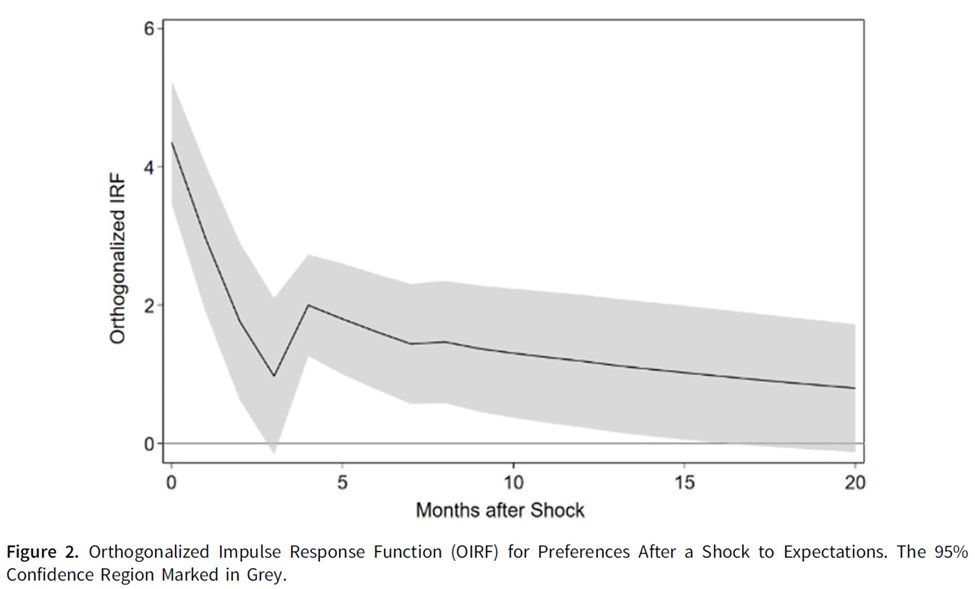
First, using a time-series VAR model, we find evidence that aggregate expectations Granger-cause preferences but not the other way around. That is, Israeli-Jewish public opinion becomes more supportive of diplomacy & compromise after popular expectations for peace grow, not vice versa.
08.08.2025 11:21
👍 1
🔁 1
💬 1
📌 0
Our findings reaffirm the first view: over the years, improved expectations for peace among Israeli Jews do predict improved willingness to negotiate and compromise. Unfortunately, this works negatively, too: pessimism hardens hawkish preferences. We show this using two complementary analyses:
08.08.2025 11:21
👍 3
🔁 0
💬 1
📌 0

This argument is grimmer, implying a negative equilibrium where pessimism & hawkishness reinforce one another, blocking ppl’s receptiveness to signals of a better future. With this in mind, we analyze multi-decade survey data on Israeli Jews to see which precedes which, expectations or preferences.
08.08.2025 11:21
👍 1
🔁 0
💬 1
📌 0
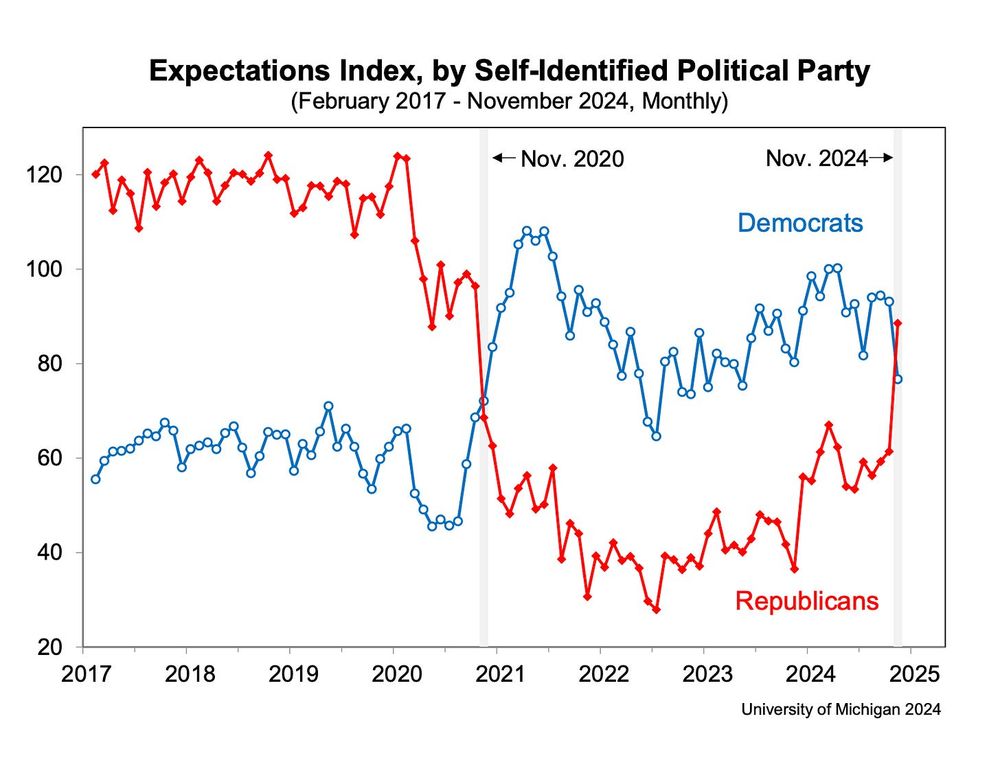
Yet this claim is challenged by theories of "Motivated Reasoning": strong partisan preferences, as is often the case in violent conflicts, motivate us to interpret reality and future scenarios so they fit our pre-existing views (e.g., famously, Americans’ views of the economy).
08.08.2025 11:21
👍 1
🔁 0
💬 1
📌 0
Why does this Q matter? Some conflict research argues that improving future expectations for an agreement is a key pathway to building popular willingness for hard compromises. In this view, many ppl's hawkish stances "price in" pessimism and can be softened with positive signals of future change.
08.08.2025 11:21
👍 1
🔁 0
💬 1
📌 0
The Oct 7 events & heartbreaking devastation in Gaza have deepened pessimism in the region. While it’s hard to imagine a way out now, our new @bjpols.bsky.social letter (w/ @liranharsgor.bsky.social) reaffirms that improving expectations for an agreement could raise support for compromises ▶️🧵1/10
08.08.2025 11:21
👍 18
🔁 4
💬 1
📌 2
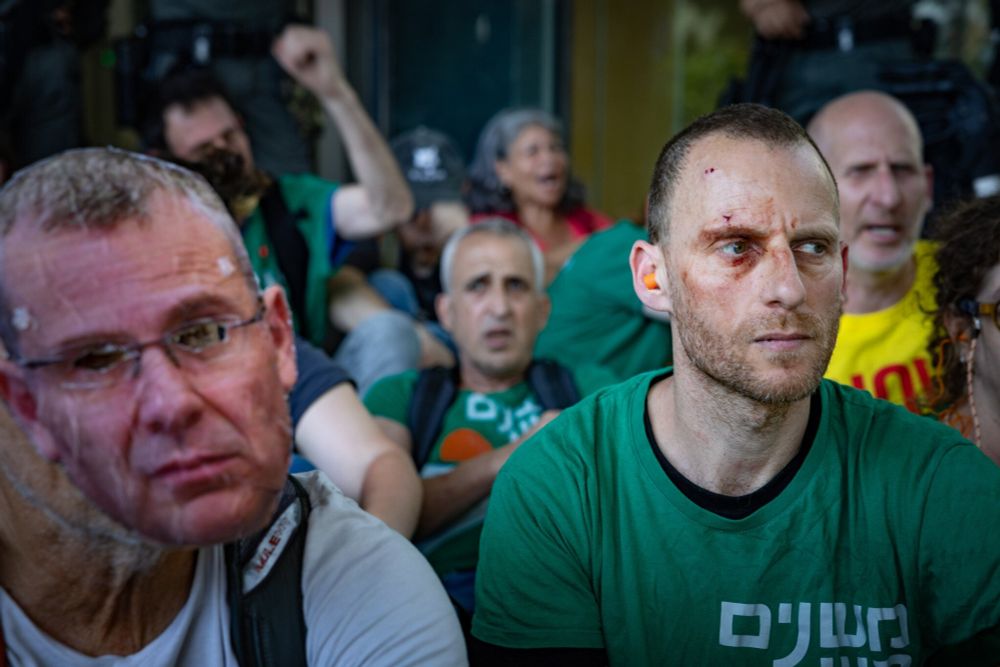
Two scholars warn of Israel’s democratic backsliding, hidden by Oct. 7’s fog of war
In their new Hebrew-language book 'Democracy in Retreat,' Noam Gidron and Yaniv Roznai claim the government is using populism and polarization to chip away at democracy
Alternatively, you can read this interview with the excellent @noamgidron.bsky.social & Yaniv Roznai.
Also a reminder that boycotting all Israeli academics is not just morally dubious (collective punishment) but also strengthens rather than weakens the Israeli far right.
23.07.2025 20:46
👍 47
🔁 15
💬 0
📌 7

Frontiers | Editorial: The crises of the Israeli democracy
The Crises of the Israeli Democracy:Introduction to a Research TopicJune 9, 2025Introduction: Israeli Democracy’s CrisisDuring the past ten years, Israel has...
Just read this excellent Introduction to an important special issue on democratic erosion in Israel. As other authoritarian leaders used COVID-19 to weaken liberal democracy, Netanyahu has used the October 7 attack to push through what hundreds of thousands had successfully prevented in 2023.
23.07.2025 20:35
👍 43
🔁 18
💬 1
📌 3
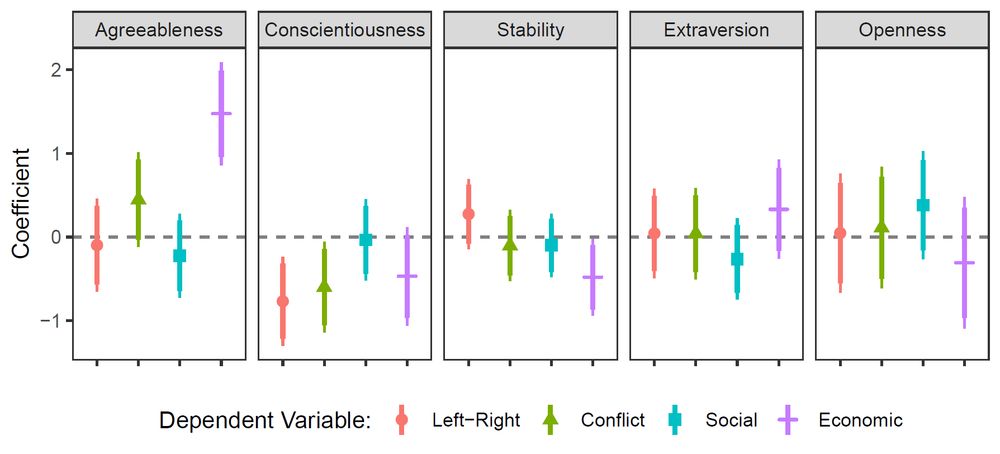
Your personality doesn't always predict your views...
Using data from Israel, @naamarivlin.bsky.social and co-authors show the relationship weakens when ethnonational conflict comes to the forefront.
Out now in POQ: doi.org/10.1093/poq/...
@ayakter.bsky.social al
@liorsheffer.bsky.social
21.07.2025 11:11
👍 7
🔁 5
💬 1
📌 0
Remember the poll that found ~%80 of Israelis support forced expulsion? Well, it’s
Not good social science.
Some of the most serious Israeli political scientists I know and trust: @ayakter.bsky.social @liorsheffer.bsky.social and Yael Shomer looked into it and it has multiple issues.
03.06.2025 19:22
👍 82
🔁 25
💬 7
📌 8

What a pleasure to direct this amazing @ecpr.bsky.social Joint sessions workshop on citizens democratic commitment with Hannah Werner - thanks to all participants for the exciting papers and stimulating discussions!
24.05.2025 08:08
👍 38
🔁 8
💬 3
📌 3
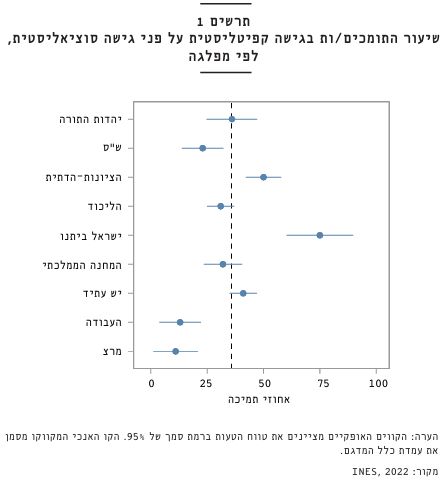
מאמר חדש בספר ה"בחירות בישראל" עם @yanivshapi.bsky.social @ayakter.bsky.social
תומכי אילו מפלגות מסכימים ביניהם, ועל אילו נושאים? אילו מהנושאים השפיעו יותר על ההצבעה בבחירות 2022? והאם בעשור האחרון ניכרת מגמה של קיטוב אידאולוגי גובר בין המפלגות או דווקא יציבות יחסית?
09.04.2025 14:48
👍 2
🔁 1
💬 1
📌 0

Bred for its skills in magic.
27.02.2025 17:26
👍 1
🔁 0
💬 0
📌 0
A serious question: how will comparative politics respond to the problem of under-powered research (see below)? I hope the the field will lean back into our strength (comparative case study) but I worry it will only tip toward big data.
1: from JOP: shorturl.at/aVJB2
2: from APSR: shorturl.at/sbPUi
03.01.2025 16:25
👍 166
🔁 41
💬 12
📌 13
Congrats, well deserved!
03.12.2024 16:27
👍 1
🔁 0
💬 0
📌 0
Political Science Starter Pack Collection!
Many have shared excellent starter packs lately, but finding the most relevant ones can be tricky.
This 🧵 gathers many of them in one place 👇🏽
#PoliticalScience #StarterPack
22.11.2024 12:11
👍 80
🔁 44
💬 7
📌 5
I agree! We know a lot about historical traumas' long-term effect but treat them as a constant shadow. It's interesting to think about current events that activate and interact with these deep anxieties
23.11.2023 11:06
👍 2
🔁 0
💬 0
📌 0
I think that to understand Israelis' support for the war despite the costs, we must consider the deep anxiety rooted in the national narrative (Holocaust, pogroms) that was activated on 10/7. Key Q is how long it'd last at this volume compared to past cycles, when opinions calmed after a few weeks
23.11.2023 08:35
👍 2
🔁 0
💬 1
📌 0
I know, it's always been really helpful for studying Israel too! The current anxiety feels different though. Anecdotally, I know folks living far from the 67 lines who didn't send kids to school for a while & many towns still have armed volunteers guarding, as if Palestinians will storm any minute >
23.11.2023 08:34
👍 2
🔁 0
💬 1
📌 0
Also, due to the magnitude of 10/7 and thick Israeli connectedness, I'm skeptical of individual variation by links to casualties. The national mood is uniformly bad and almost everyone knows some victims through 1-3 circles. Soldiers are cross-sectoral too, so far
22.11.2023 22:31
👍 5
🔁 0
💬 0
📌 0