Annalaura Mastrangelo's Avatar

Annalaura Mastrangelo

@annalaura-m

Researcher at CNIC Madrid, member of award committee #FeMS. Passion for #Metabolomics, #Microbiome & #CVD, #Obesity #InsulinResistance #Immunometabolism #Biostatistics fascinated & travelholic

404
Followers
128
Following
17
Posts
14.11.2024
Joined
Posts Following

Latest posts by Annalaura Mastrangelo @annalaura-m

Just gave a seminar for the Master in Bioinformatics program at @uam.es sharing our work on ImP in #CVD and new #bioinformaticstools for #metabolomics data. It is always rewarding to share science with future researchers!

03.10.2025 16:11 πŸ‘ 1 πŸ” 0 πŸ’¬ 0 πŸ“Œ 0
Preview
Global collaboration is key to decoding Alzheimer’s disease Recent progress on Alzheimer’s disease shows what we gain when scientists work together β€” and what the world loses when bad policies force them apart.

β€œWe are closer than ever to the day when a diagnosis of Alzheimer’s disease stops being a death sentence β€” but only if we continue to support researchers and enable their ability to work with one another,” writes Bill Gates in a World View article for Nature Medicine. #medsky πŸ§ͺ

22.07.2025 13:19 πŸ‘ 35 πŸ” 10 πŸ’¬ 1 πŸ“Œ 0

FantΓ‘stico resumen por @manuelansede.bsky.social
πŸ™ @caixaresearch.bsky.social por financiar proyecto con 1 millΓ³n €
πŸ™ @ageinves.bsky.social por Severo Ochoa que iniciΓ³ el proyecto + 100K€ a nuestro lab
πŸ™ @erc.europa.eu ERC-CoG ERC-POC
#CNIC_CARDIO

Open acess: www.nature.com/articles/s41...

17.07.2025 15:11 πŸ‘ 7 πŸ” 2 πŸ’¬ 1 πŸ“Œ 0
Preview
A gut microbiota metabolite linked to atherosclerosis could revolutionise diagnosis and treatment A new study led by the Spanish National Centre for Cardiovascular Research (CNIC) and funded by the European Reasearch Council (ERC)Β has identified imidazole propionate (ImP), a metabolite produced by...

A gut microbiota metabolite linked to atherosclerosis could revolutionise diagnosis and treatment|ERC erc.europa.eu/news-events/...

19.07.2025 09:09 πŸ‘ 23 πŸ” 7 πŸ’¬ 0 πŸ“Œ 1

Thank you @martmara10.bsky.social!!

17.07.2025 10:51 πŸ‘ 1 πŸ” 0 πŸ’¬ 0 πŸ“Œ 0
Preview
Imidazole propionate is a driver and therapeutic target in atherosclerosis - Nature Imidazole propionate produced by gut microbiota is associated with atherosclerosis in mouse models and in humans, and causes the development of atherosclerosis through activation of the imidazoline-1 ...

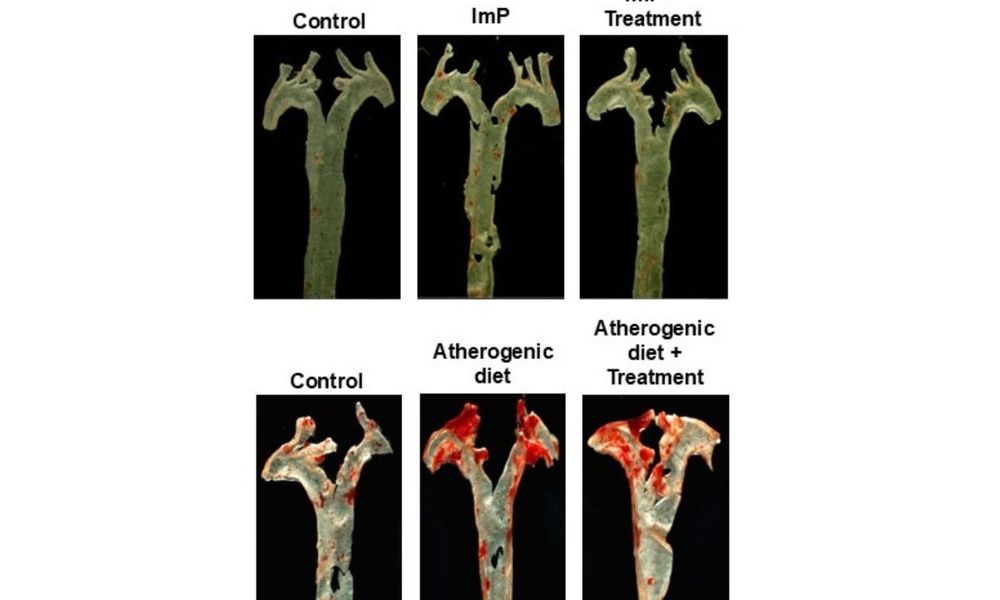
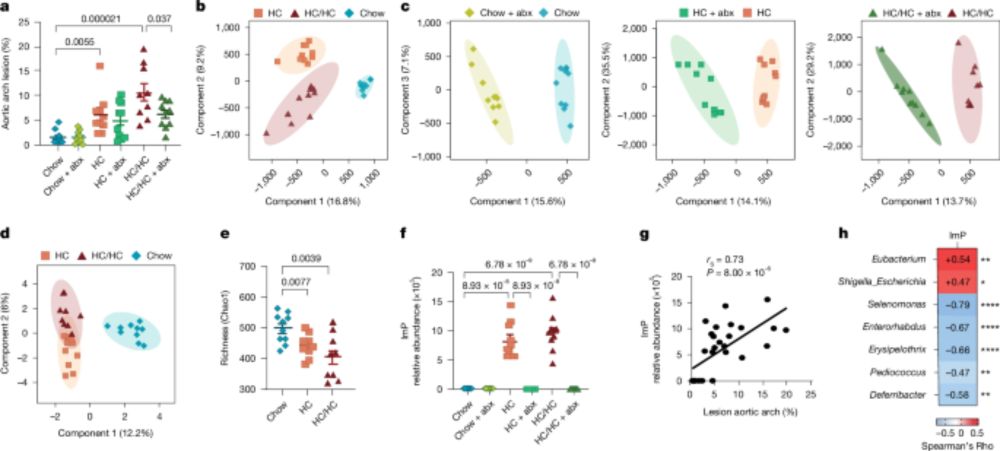
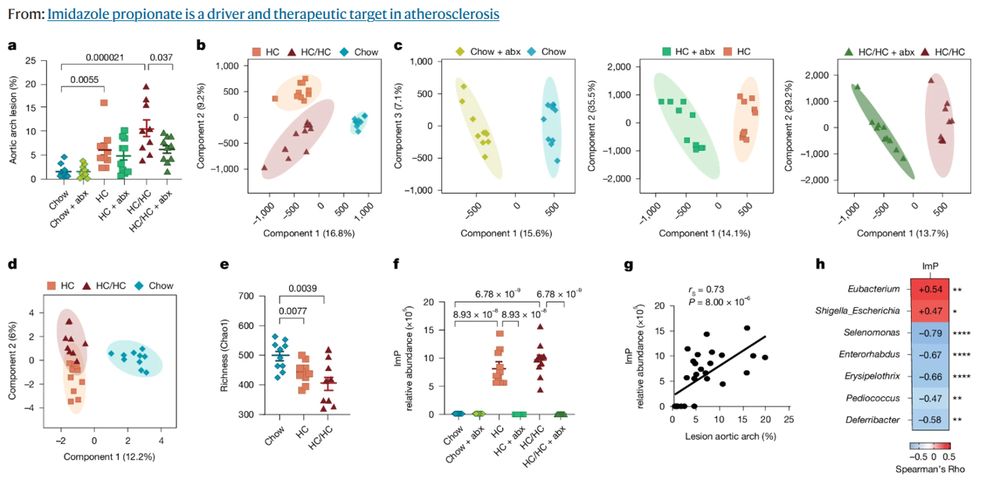
πŸ’₯ A gut microbe metabolite that drives #atherosclerosis?
Yesβ€”Imidazole propionate (ImP) triggers vascular inflammation without changing cholesterol.
πŸ§ͺ We show the pathwayβ€”and how to block it.
nature.com/articles/s41... #OpenAccess at
@Nature
@CNIC_CARDIO
#CVD #immunosky #cardiosky #microbiomesky

16.07.2025 17:36 πŸ‘ 44 πŸ” 17 πŸ’¬ 4 πŸ“Œ 7

Esta investigaciΓ³n del CNIC revela que un metabolito de la microbiota intestinal favorece la aterosclerosis.

Descubre mΓ‘s de la mano de uno de los investigadores del equipo πŸ‘‡πŸ§¬

17.07.2025 10:37 πŸ‘ 4 πŸ” 3 πŸ’¬ 0 πŸ“Œ 0

Thank you to my co-author @iroblesv.bsky.social and
@sancholab.bsky.social for believing in this project and to all the researchers who contributed to this work!!

16.07.2025 16:52 πŸ‘ 2 πŸ” 2 πŸ’¬ 0 πŸ“Œ 0

This discovery opens exciting new directions in the field, bridging the gut #microbiomesky, #immunosky & #cardiosky.
πŸ‘€ And it all started with a simple #untargeted #metabolomics experiment!

16.07.2025 16:52 πŸ‘ 6 πŸ” 1 πŸ’¬ 1 πŸ“Œ 0

Take-home messages:
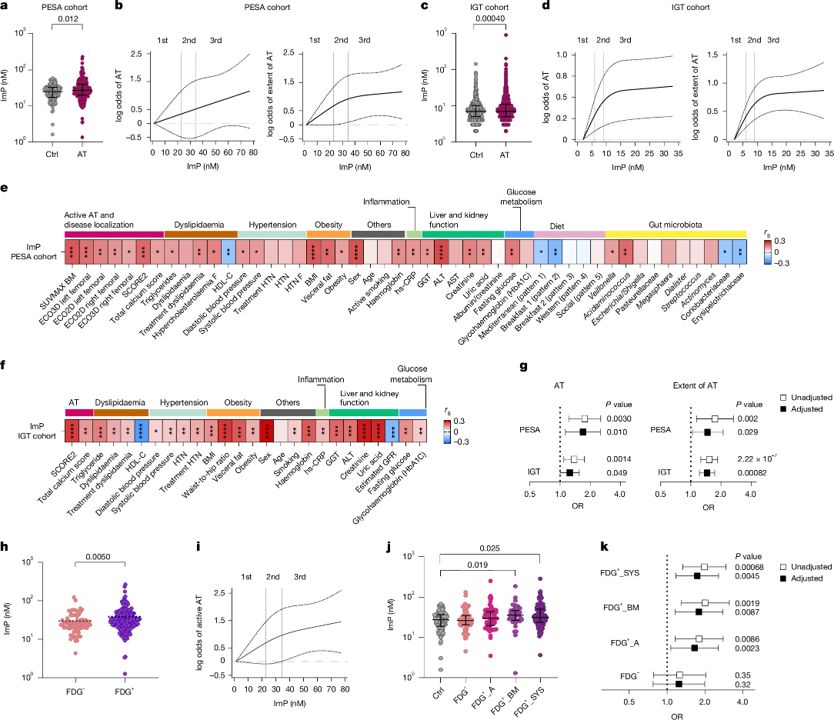
- ImP is elevated in early and active atherosclerosis in asymptomatic volunteers
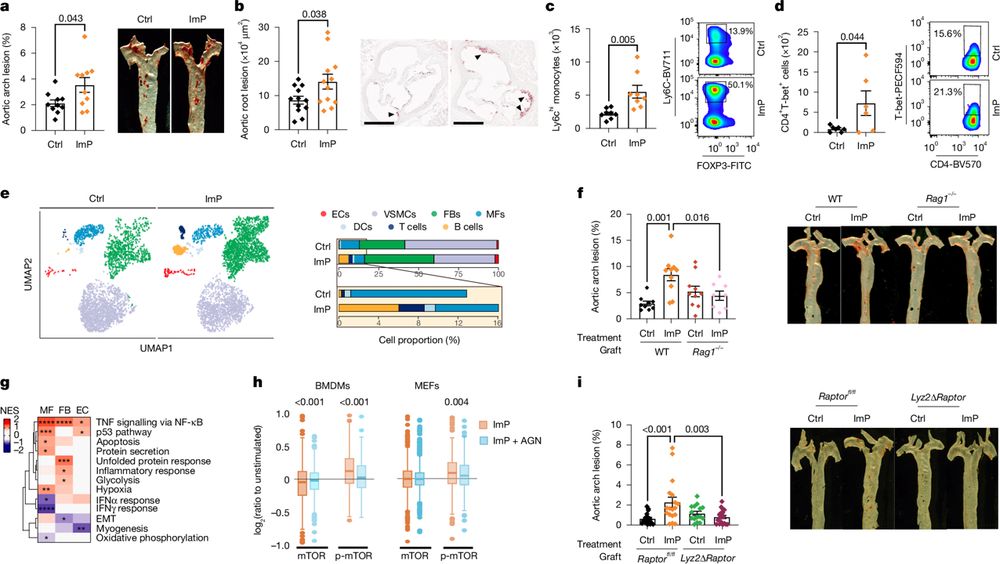
- ImP induces atherosclerosis in atheroprone mice
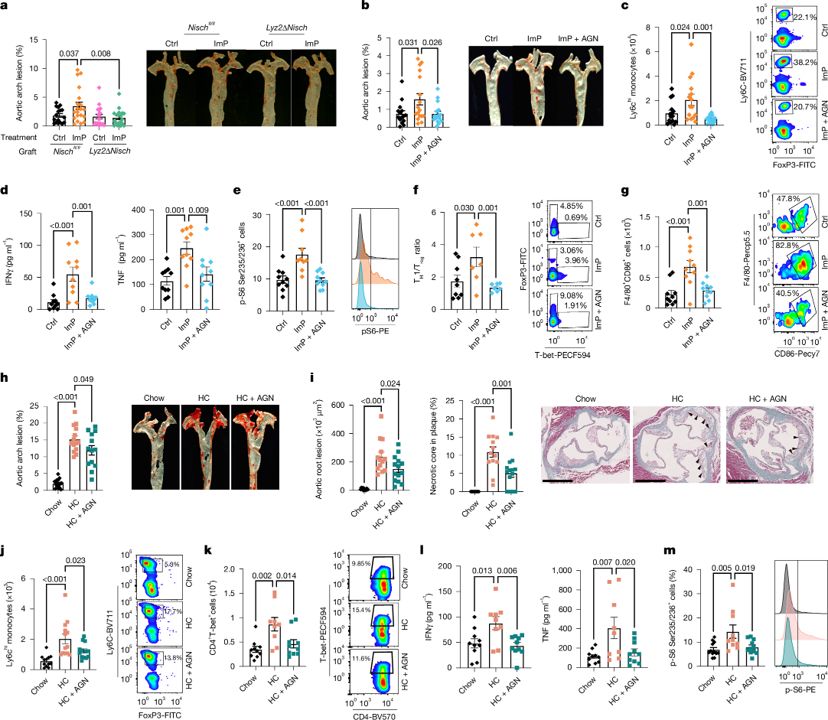
- ImP signals via imidazoline 1 receptor (I1R)
- Blocking the ImP/I1R axis in myeloid cells halts disease progression.

16.07.2025 16:52 πŸ‘ 2 πŸ” 1 πŸ’¬ 1 πŸ“Œ 0
Post image Post image Post image Post image

🌟Proud to share our latest research: "Imidazole propionate (ImP) is a driver therapeutic target in atherosclerosis" in
@nature.com A step toward early diagnosis & targeted therapy in cardiovascular care! #metabolites #impact #PersonalizedMedicine πŸ‘‡πŸ§΅https://www.nature.com/articles/s41586-025-09263-w

16.07.2025 16:52 πŸ‘ 14 πŸ” 6 πŸ’¬ 2 πŸ“Œ 0

Have you missed #MetSoc25? Join us for our Munich Metabolomics Meeting. We still have open seats and talk slots! Be fast, they will be taken soonish 😜 Register and submit your abstract under www.munichmetabolomics.com #metabolomics #lipidomics

11.07.2025 08:24 πŸ‘ 3 πŸ” 3 πŸ’¬ 1 πŸ“Œ 0
Post image Post image

Since 1869, Nature's journal has been delivering some of the coolest science out there. Big thanks to the editor George Caputa for sharing a behind-the-scenes look super insightful and inspiring! πŸ§ πŸ”¬πŸŒ #NatureJournal #BehindTheScenes

23.06.2025 15:41 πŸ‘ 0 πŸ” 0 πŸ’¬ 0 πŸ“Œ 0

There so much to learn what microbes are doing inside us. Glad to be part of this work, thanks to Pieter and the whole team.

13.06.2025 06:12 πŸ‘ 5 πŸ” 3 πŸ’¬ 0 πŸ“Œ 0
Preview
Cross-organ metabolite production and consumption in healthy and atherogenic conditions An atlas mapping organ-specific metabolite production and consumption across various pathophysiological states in pigs shows impaired metabolic activity across organs by a Western diet or hypercholest...

This is such an incredible paper. Must read if you care about metabolites and cores organ interactions. For me most interesting finding is that the liver is NOT the only organ that converts cholesterol to bile acids. But ther are so many cool onserbwtions www.cell.com/cell/abstrac...

12.06.2025 03:41 πŸ‘ 28 πŸ” 12 πŸ’¬ 0 πŸ“Œ 2
Preview
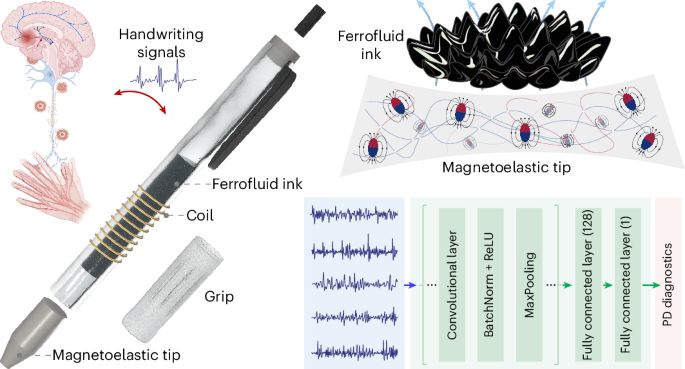
Neural network-assisted personalized handwriting analysis for Parkinson's disease diagnostics - Nature Chemical Engineering This study presents a diagnostic pen with ferrofluid ink that converts handwriting into sensing signals for Parkinson's disease (PD) diagnostics. In pilot studies, neural network-assisted analysis of collected handwriting signals accurately distinguished patients with PD, demonstrating the pen's potential as a low-cost, scalable tool for accessible diagnostics.

A pen loaded with magnetic ink can be used to help detect early onset Parkinson’s disease, suggests a study in Nature Chemical Engineering. Neural network assisted data analysis in the device can identify differences in the handwriting of people with and without the disease. #medsky πŸ§ͺ

02.06.2025 19:38 πŸ‘ 35 πŸ” 15 πŸ’¬ 0 πŸ“Œ 1
Preview
Activation of lysosomal iron triggers ferroptosis in cancer - Nature Some cancer cells exhibit high loads of reactive iron in lysosomes, and this feature is exploited by using fentomycin-1, a newly developed small molecule, to induce ferroptosis.

Here is the exciting original publication: www.nature.com/articles/s41...

08.05.2025 01:18 πŸ‘ 1 πŸ” 1 πŸ’¬ 0 πŸ“Œ 0
Post image

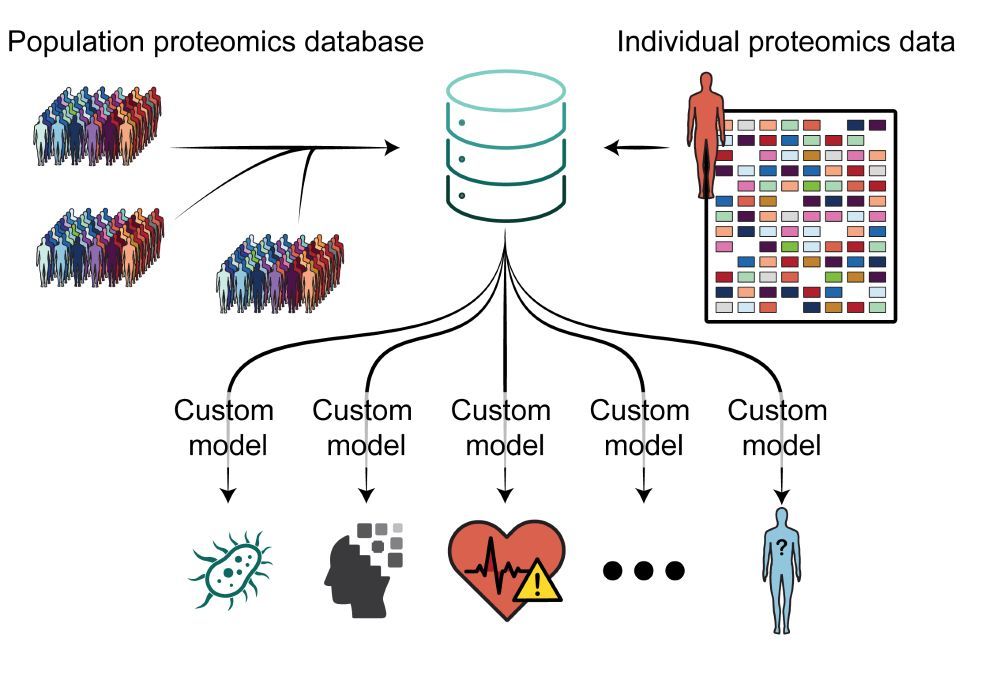
Check out ADAPT-MS: our flexible, scalable diagnostic framework that transforms discovery plasma proteomics directly into clinical decisions.Dynamic retraining enables single-sample diagnostics for any clinical question.
www.medrxiv.org/content/10.1...

06.05.2025 07:27 πŸ‘ 12 πŸ” 6 πŸ’¬ 1 πŸ“Œ 0
Preview
Optical biosensors for diagnosing neurodegenerative diseases - npj Biosensing npj Biosensing - Optical biosensors for diagnosing neurodegenerative diseases

Glad to share our latest paper on optical biosensors for diagnosing neurodegenerative diseases: www.nature.com/articles/s44...
@natureportfolio.nature.com @uazbio5.bsky.social

02.05.2025 13:11 πŸ‘ 64 πŸ” 17 πŸ’¬ 1 πŸ“Œ 0
This is figure 2, which shows single-cell characterization of the acute hyperinflammatory response to LPS administration.

This is figure 2, which shows single-cell characterization of the acute hyperinflammatory response to LPS administration.

A study in Nature Immunology uses a model of lipopolysaccharide injection in humans to characterize the transcriptomic landscape of bone marrow and blood immune cells during the hyperinflammatory and immunosuppressed phases of systemic inflammation. go.nature.com/44bj71Y

27.04.2025 19:26 πŸ‘ 29 πŸ” 6 πŸ’¬ 0 πŸ“Œ 0
Post image Post image Post image

New @science.org
Exposomics. We're not doing nearly enough to understand and mitigate our toxic environmental exposures. A very insightful perspective
www.science.org/doi/10.1126/...

24.04.2025 18:23 πŸ‘ 192 πŸ” 58 πŸ’¬ 5 πŸ“Œ 1
This is figure 1, which shows illustrating mechanisms, metrics and modifiers through the example of IBD.

This is figure 1, which shows illustrating mechanisms, metrics and modifiers through the example of IBD.

A Review in Nature Medicine summarizes recent and compelling examples of microbiome-based interventions that are ripe for clinical adoption while also discussing the challenges and opportunities facing the field. go.nature.com/42LUmrU πŸ”’

28.04.2025 01:23 πŸ‘ 23 πŸ” 4 πŸ’¬ 1 πŸ“Œ 0
Post image

Great talk by @sancholab.bsky.social shedding light on the role of #dendriticcells in #atherosclerosis: players in shaping immune responses within plaques. #ImmunoAthero

23.04.2025 08:39 πŸ‘ 2 πŸ” 1 πŸ’¬ 0 πŸ“Œ 0
Post image Post image

Insightful talk by Maria Mittelbrunn: T cells are key drivers of aging! Dysfunctional T cells trigger inflammaging, accelerating tissue senescence and age-related diseases. Today at the #ImmunoAthero meeting #TCellAging #Inflammaging

23.04.2025 08:18 πŸ‘ 0 πŸ” 0 πŸ’¬ 0 πŸ“Œ 0
An integrated model for the association between thyroid homeostasis and major cardiovascular events. In the dyshomeostatic type of thyrogenic arrhythmia elevated FT4 concentration, caused by primary thyrotoxicosis, increases the risk for severe arrhythmia as a major cause for cardiovascular mortality. The TSH concentration is reduced in this case, represented by the left, declining, branch of the U-shaped relation between TSH level and risk (A). In the allostatic type, mainly caused by type 2 allostatic load and genetic traits, the set point of thyroid homeostasis is raised, resulting in increased TSH and FT4 concentration and subsequently elevated risk for arrhythmia. This situation is mirrored in the right, rising, branch of the relation between TSH concentration and cardiovascular risk (B). In any case, elevated concentrations of T3, T4 and other T3-agonistic thyroid hormones increase the sensitivity to catecholamines and sympathetic signaling (via upregulated expression of beta1 and beta2 adrenoceptors), thereby contributing to reduced stress tolerance. SPINA-GT, β€œgain of thyroid,” i.e., thyroid’s secretory capacity.

An integrated model for the association between thyroid homeostasis and major cardiovascular events. In the dyshomeostatic type of thyrogenic arrhythmia elevated FT4 concentration, caused by primary thyrotoxicosis, increases the risk for severe arrhythmia as a major cause for cardiovascular mortality. The TSH concentration is reduced in this case, represented by the left, declining, branch of the U-shaped relation between TSH level and risk (A). In the allostatic type, mainly caused by type 2 allostatic load and genetic traits, the set point of thyroid homeostasis is raised, resulting in increased TSH and FT4 concentration and subsequently elevated risk for arrhythmia. This situation is mirrored in the right, rising, branch of the relation between TSH concentration and cardiovascular risk (B). In any case, elevated concentrations of T3, T4 and other T3-agonistic thyroid hormones increase the sensitivity to catecholamines and sympathetic signaling (via upregulated expression of beta1 and beta2 adrenoceptors), thereby contributing to reduced stress tolerance. SPINA-GT, β€œgain of thyroid,” i.e., thyroid’s secretory capacity.

Interestingly, both subclinical #hypothyroidism and #thyrotoxicosis predict #MACE. The free thyroxine (FT4) concentration is more associated with the HR for cardiovascular events than thyrotropin (TSH) levels. Our observations yield an integrated model including psychosocial and somatic mechanisms.

20.04.2025 11:38 πŸ‘ 14 πŸ” 1 πŸ’¬ 1 πŸ“Œ 0
Thyroid hormone signalling involves four different mechanisms. T4 is a prohormone with respect to genomic signaling, but a true fast-acting hormone regarding type 4 action (which is inhibited by the iodothyroacetate TETRAC). Genomic action (type 1, type 2 and mitochondrial signaling) occurs on a slow time scale, whereas non-genomic effects (type 3 and type 4 signaling) represent a fast response (A). Thyroid hormone receptors (THR) usually act as heterodimers. Without thyroid hormone bound they block the transcription together with corepressors. Iodothyronines displace the corepressors and stimulate gene expression together with coactivators (B). Tissue specific distributions of THRs further contribute to the diversity of signaling patterns in the organism (C). AF-1, activation function 1; AF-2, activation function 2; D2, type 2 deiodinase; DBD, DNA-binding domain; HAT, histone acetyl-transferase; HDAc, histone deacetylase; LBD, ligand-binding domain; RXR, retinoid X receptor; TRE, thyroid-hormone response element.

Thyroid hormone signalling involves four different mechanisms. T4 is a prohormone with respect to genomic signaling, but a true fast-acting hormone regarding type 4 action (which is inhibited by the iodothyroacetate TETRAC). Genomic action (type 1, type 2 and mitochondrial signaling) occurs on a slow time scale, whereas non-genomic effects (type 3 and type 4 signaling) represent a fast response (A). Thyroid hormone receptors (THR) usually act as heterodimers. Without thyroid hormone bound they block the transcription together with corepressors. Iodothyronines displace the corepressors and stimulate gene expression together with coactivators (B). Tissue specific distributions of THRs further contribute to the diversity of signaling patterns in the organism (C). AF-1, activation function 1; AF-2, activation function 2; D2, type 2 deiodinase; DBD, DNA-binding domain; HAT, histone acetyl-transferase; HDAc, histone deacetylase; LBD, ligand-binding domain; RXR, retinoid X receptor; TRE, thyroid-hormone response element.

Thyroid hormones have a profound effect on the intracellular processes of rhythm generation. The figure shows mechanisms of rhythm generation in cardiomyocytes based on a model by Maltsev et al. Two loops, an external membrane loop and an internal calcium loop, independently ensure the generation of impulses. Therefore, they provide some redundancy, but they are also intertwined at the stage of slow L-type Ca2+ current (ICaL) activation. Thyroid hormone signalling can modulate both loops simultaneously via interfaces at several sites, and direct myocardial effects of TSH are largely opposing. gK, ionic conductance for K+; INCX, Na+/Ca2+ exchange current; ICaT, T-type Ca2+ current; If , hyperpolarisation-activated β€œfunny” current; IK, voltage-gated K+ current; Ist , sustained non-selective current; Ito, transient outward potassium current; LCR, local Ca2+ release; SERCA, sarcoendoplasmic reticulum Ca2+-ATPase; SR, sarcoplasmic reticulum.

Thyroid hormones have a profound effect on the intracellular processes of rhythm generation. The figure shows mechanisms of rhythm generation in cardiomyocytes based on a model by Maltsev et al. Two loops, an external membrane loop and an internal calcium loop, independently ensure the generation of impulses. Therefore, they provide some redundancy, but they are also intertwined at the stage of slow L-type Ca2+ current (ICaL) activation. Thyroid hormone signalling can modulate both loops simultaneously via interfaces at several sites, and direct myocardial effects of TSH are largely opposing. gK, ionic conductance for K+; INCX, Na+/Ca2+ exchange current; ICaT, T-type Ca2+ current; If , hyperpolarisation-activated β€œfunny” current; IK, voltage-gated K+ current; Ist , sustained non-selective current; Ito, transient outward potassium current; LCR, local Ca2+ release; SERCA, sarcoendoplasmic reticulum Ca2+-ATPase; SR, sarcoplasmic reticulum.

Selected mechanisms of arrhythmogenesis by thyroid hormones at the cellular level. T3 (and other active thyroid hormones) upregulate the gene expression of beta1 and beta2 adrenoceptors via classical genomic signaling, but downregulate protective beta3 adrenoceptor expression. The transcription of critical genes for the formation of gap junctions is downregulated as well. Potassium channels are regulated via classical type 1 signaling and via non-genomic effects (type 4 action) as well. Purple arrows indicate the effects of gene expression (transcription, translation and associated processing steps), green arrows visualize the impact of T3-agonistic thyroid hormones.

Selected mechanisms of arrhythmogenesis by thyroid hormones at the cellular level. T3 (and other active thyroid hormones) upregulate the gene expression of beta1 and beta2 adrenoceptors via classical genomic signaling, but downregulate protective beta3 adrenoceptor expression. The transcription of critical genes for the formation of gap junctions is downregulated as well. Potassium channels are regulated via classical type 1 signaling and via non-genomic effects (type 4 action) as well. Purple arrows indicate the effects of gene expression (transcription, translation and associated processing steps), green arrows visualize the impact of T3-agonistic thyroid hormones.

On a macroscopic level, elevated concentrations of thyroid hormones promote arrhythmia by slowing down electrical conduction and reducing the effective refractory period. (A,B) Simplified model of the effects of thyroid hormone signalling facilitating disorders of impulse conduction. Iodothyronine action reduces both the effective refractory period (ERP) and the conduction velocity (ΞΈ). As a consequence, the wavelength of excitation Ξ» = ERP x ΞΈ may get shorter than the dimensions of a potential re-entry circuit, thus giving rise to re-entrant tachycardia.

On a macroscopic level, elevated concentrations of thyroid hormones promote arrhythmia by slowing down electrical conduction and reducing the effective refractory period. (A,B) Simplified model of the effects of thyroid hormone signalling facilitating disorders of impulse conduction. Iodothyronine action reduces both the effective refractory period (ERP) and the conduction velocity (ΞΈ). As a consequence, the wavelength of excitation Ξ» = ERP x ΞΈ may get shorter than the dimensions of a potential re-entry circuit, thus giving rise to re-entrant tachycardia.

#Thyroid hormones profoundly impact the #cardiovascular system. They act at all levels, ranging from the tier of ion currents over cellular processes to the macroscopic levels of myocardial tissue and even the whole organism.

πŸ§ͺ 🩺 #MedSky

doi.org/10.3389/fcvm...

pubmed.ncbi.nlm.nih.gov/36046184/

19.04.2025 23:52 πŸ‘ 40 πŸ” 8 πŸ’¬ 4 πŸ“Œ 1
Preview
Met-ID: An Open-Source Software for Comprehensive Annotation of Multiple On-Tissue Chemical Modifications in MALDI-MSI Here, we introduce Met-ID, a graphical user interface software designed to efficiently identify metabolites from MALDI-MSI data sets. Met-ID enables annotation of m/z features from any type of MALDI-M...

Met-ID: An Open-Source Software for Comprehensive Annotation of Multiple On-Tissue Chemical Modifications in MALDI-MSI #AC pubs.acs.org/doi/10.1021/...

21.04.2025 07:11 πŸ‘ 0 πŸ” 1 πŸ’¬ 0 πŸ“Œ 0
Preview
Immunotherapy with conventional type-1 dendritic cells induces immune memory and limits tumor relapse - Nature Communications Dendritic cells (DCs) induce infection-protective immune memory, which has yet to be exploited for cancer therapy. Here we show that type 1 DC vaccines quantitatively and qualitatively favors anti-tum...

Put a dendritic cell (DC) in your tumor #immunotherapy!
cDC1-based vaccines induce strong effector & memory anti-tumor T cell response. Improved immune memory prevents tumor relapse! #CNIC @ageinves.bsky.social @contracancerinv.bsky.social
www.nature.com/articles/s41...
#immunosky #cancersky (1/7)

15.04.2025 18:05 πŸ‘ 12 πŸ” 3 πŸ’¬ 2 πŸ“Œ 0
Preview
Metabolites are not genes β€” avoiding the misuse of pathway analysis in metabolomics - Nature Metabolism Pathway analysis, originally developed for gene expression data, has been adapted for metabolomics. However, owing to the unique characteristics and constraints of metabolites compared with genes, pat...

Couldn’t be said better: Avoid misusing pathway analysis in #metabolomics! A must-read for anyone working with metabolomics data. #bioinformatics

www.nature.com/articles/s42...

16.04.2025 07:46 πŸ‘ 2 πŸ” 0 πŸ’¬ 0 πŸ“Œ 0
LinkedIn This link will take you to a page that’s not on LinkedIn

Una encuesta super interessante sobre la #perception de la realidad en el entorno de trabajo para #cientificos y #cientificas del area #STEMM. πŸ‘©πŸΌβ€πŸ”¬πŸ‘¨πŸ»β€πŸ”¬ Descubre si lo que crees es realmente tu percepciΓ³n! 😏😏Aqui el enlace: lnkd.in/d2-A92Y8

04.04.2025 19:41 πŸ‘ 0 πŸ” 0 πŸ’¬ 0 πŸ“Œ 0