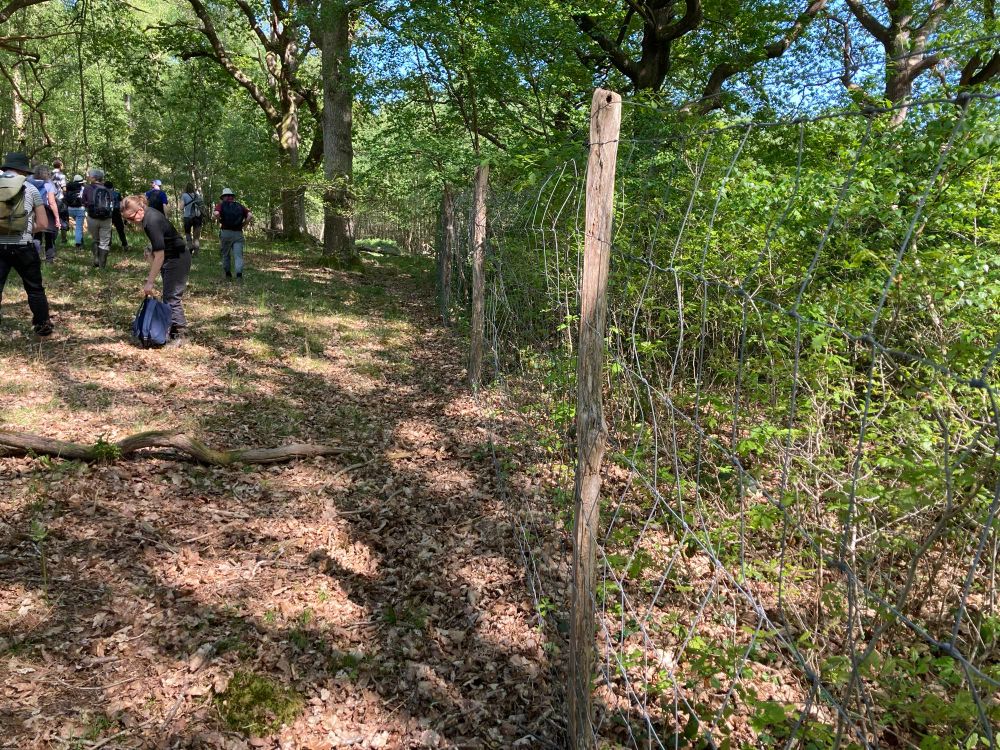
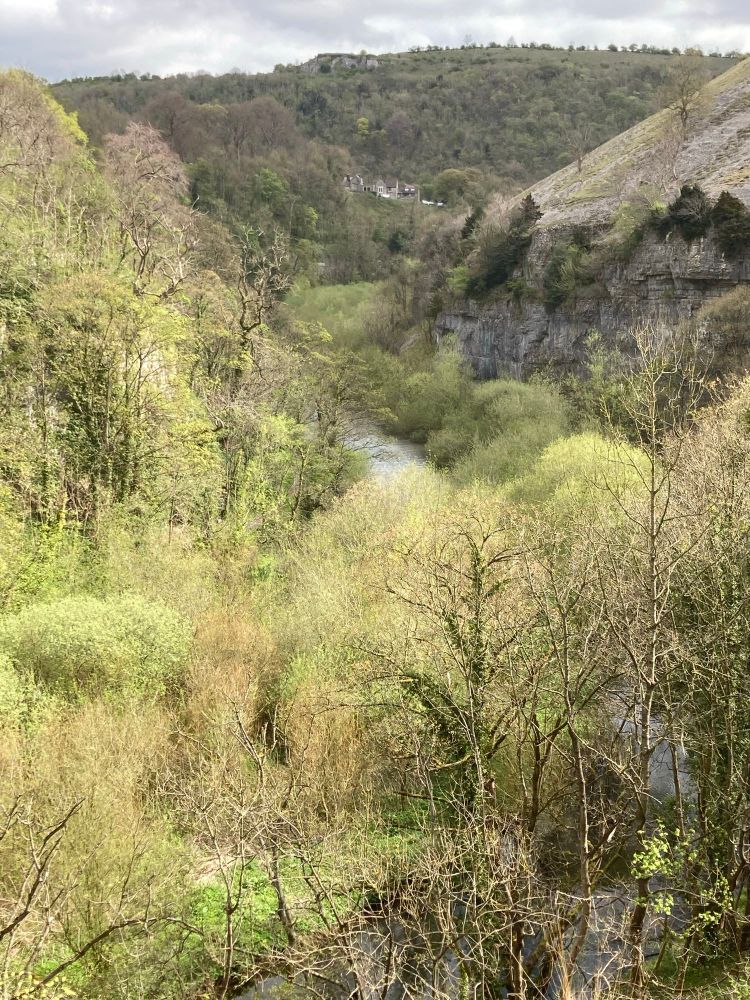
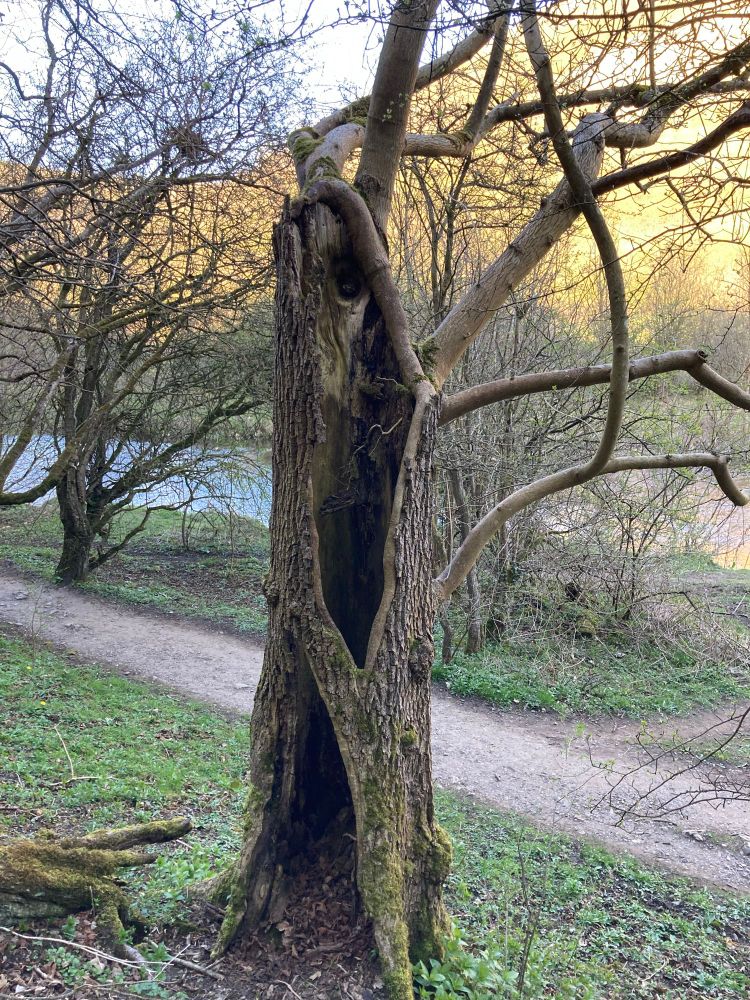
All the trees not in leaf here are Ash. Pretty much all are showing symptoms of Ash Dieback. Not all with die but the majority are likely to, reshaping these landscapes
28.04.2025 15:29
👍 1
🔁 0
💬 0
📌 0
1st visit to Leighton Moss. Will have to go back because I had so little time.
10.03.2025 23:00
👍 4
🔁 0
💬 0
📌 0

Tree of the day! Everyone needs one!! Somewhere in Cumbria
10.03.2025 22:56
👍 3
🔁 0
💬 0
📌 0
The more nature depleted the country the harder it is to reverse that trend. The loss of cultural memory of living with large animals and vested interests the main issues.
18.01.2025 16:42
👍 2
🔁 0
💬 0
📌 0
25 min walk from the station….
17.01.2025 08:54
👍 1
🔁 0
💬 1
📌 0

Ok rewilding conference Cambridge Uni. Let’s go!!
17.01.2025 08:44
👍 6
🔁 0
💬 1
📌 0
Some have definitely decreased in area but not gone. But things like potentilla neumanniana still maintained as well as draba muralis on anthills. But then tall herb specialists more susceptible to grazing thriving such as sax hypnoides and sedum telephium
23.12.2024 21:50
👍 3
🔁 0
💬 0
📌 0
Only personal observation/survey! I might have some photos somewhere!
23.12.2024 15:26
👍 1
🔁 0
💬 1
📌 0
2.Richer even than the short cropped adjacent grassland, supporting species not found in the grazed areas, including some nationally scarce species, and yellow meadow ant hills the size of armchairs. We do need both though.
23.12.2024 09:58
👍 4
🔁 0
💬 3
📌 0
1. Yes really important to have good monitoring in place and be honest about winners and losers so that we can learn. Interestingly in the Peak District there are areas of limestone grassland ungrazed for 30 years or more which are now as rich, if not richer (200+ vascular plants).
23.12.2024 09:57
👍 8
🔁 0
💬 1
📌 0
Yeah true. It’s not evidence either though. But I guess the question is, if there is a quantifiable biodiversity win: does it matter?
22.12.2024 14:07
👍 3
🔁 0
💬 1
📌 0
Stands to reason because y’know…flowers…but nice to se it confirmed.
25.11.2024 08:35
👍 4
🔁 0
💬 0
📌 0
That’s a corker!
24.11.2024 14:29
👍 1
🔁 0
💬 0
📌 0
The wilderness area at monks wood is inspiring. Natural process in action!
22.11.2024 18:04
👍 8
🔁 0
💬 0
📌 0

Disentangling direct & indirect effects of forest structure on biodiversity: Bottom-up & top-down effects between forestry, bats & their insect prey 🦇
Expanding management towards open & old-growth forests may increase roosting & foraging opportunities 🌏 🧪
🔗 https://buff.ly/4fRIOqT
22.11.2024 13:00
👍 75
🔁 23
💬 0
📌 1
Got some of the white stuff did ya?
21.11.2024 21:25
👍 1
🔁 0
💬 0
📌 0
Great thread Richard! Interesting results
20.11.2024 19:19
👍 1
🔁 0
💬 0
📌 0