Discover Journal Series

Discover Journal Series

Discover Journal Series

Discover Journal Series
This #InternationalWomensDay, we highlight qualitative research examining how gender equality is experienced across STEM in higher education and industry (Parmaxi et al., 2024). Evidence-based insight matters for meaningful progress. 📊 #IWD2026 #GiveToGain
bit.ly/3OTyk1V
#AcademicSky
08.03.2026 20:00
👍 7
🔁 3
💬 0
📌 0

Discover Sustainability
Life cycle assessments (LCAs) support informed decisions and promote eco-friendly innovation from production to recycling. In a Discover Sustainability Behind the Paper blog, the author answers a deceptively simple question: How are LCAs taught in universities, and what works best?
bit.ly/476oSxs
07.03.2026 21:00
👍 0
🔁 0
💬 0
📌 0
Measures that could prevent the next viral pandemic - Discover Viruses
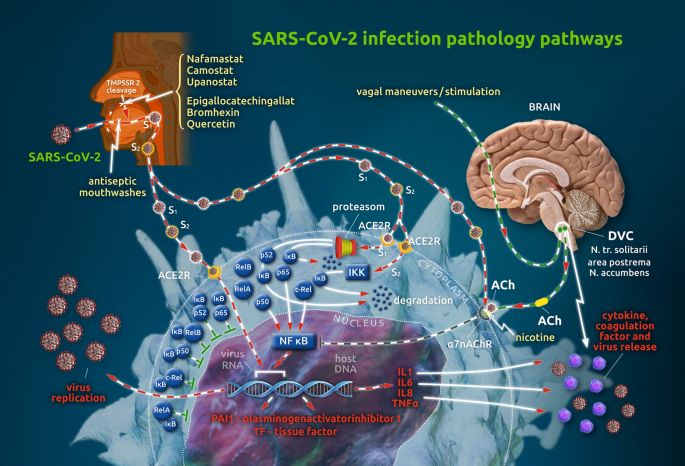
The coronavirus disease 2019 (COVID-19) pandemic has presented humanity with enormous challenges in terms of both medically managing the acute waves of infection and dealing with the sociopolitical consequences of the important measures taken to combat the viral threat. The division of societies into opposing factions—those who support the measures and those who doubt the viral causality of the observed disease progression—has had a profound impact on our social and political systems. Furthermore, the prevalence of postviral syndrome (long COVID-19) and postvaccination syndrome is increasing. Numerous viral mechanisms that have facilitated the exponential spread of infection are known from the study of other viral pathogens. For example, the cleavage of the spike glycoprotein (SGP) into S1 and S2 by transmembrane serine protease 2 (TMPSSR2) markedly increases the affinity of the virus for the angiotensin-converting enzyme 2 (ACE2) receptor, thereby significantly increasing infectivity. Similarly, the potential blockade of α7n-acetylcholine receptors (α7nARs) can significantly impair the body's primary anti-inflammatory mechanism, the cholinergic anti-inflammatory pathway. The various mechanistic pathways of SARS-CoV-2 infection, such as SGP cleavage to accelerate viral entry and nonintrinsic high-affinity binding to acetylcholine receptors, are likely common to other viruses. Given the inevitability of the next viral pandemic, in addition to the continued advancement of antiviral vaccines, it is imperative to incorporate strategies to prevent future viral threats that target these mechanisms. This narrative review aims to search the literature for antiviral strategies that, in addition to the development of specific vaccines, may help to contain the rapid spread of infection chains. The proposed measures, such as the use of transmembrane serine protease 2 (TMPSSR2) inhibitors, antiviral mouthwashes or high-affinity cholinergic ligands, have the potential not only to counteract the development of viral resistance to vaccines, but also to prevent and treat post-acute infection syndromes in the event of future viral pandemics. Graphical Abstract
A Review published in Discover Viruses aims to search the literature for antiviral strategies that, in addition to the development of specific vaccines, may help to contain the rapid spread of infection chains.
#MedSky
06.03.2026 19:00
👍 2
🔁 1
💬 0
📌 0

Discover Nano
A Review published in Discover Nano summarizes the technique principles, molecular strategies, and other advancements in the application of aptamer-based nanotherapeutics in the treatment of COVID-19.
bit.ly/4iDeH7i
#OncoSky #MedSky
05.03.2026 20:00
👍 0
🔁 0
💬 0
📌 0
Mapping the presence of artificial intelligence in investment fund: a systematic review - Discover Artificial Intelligence
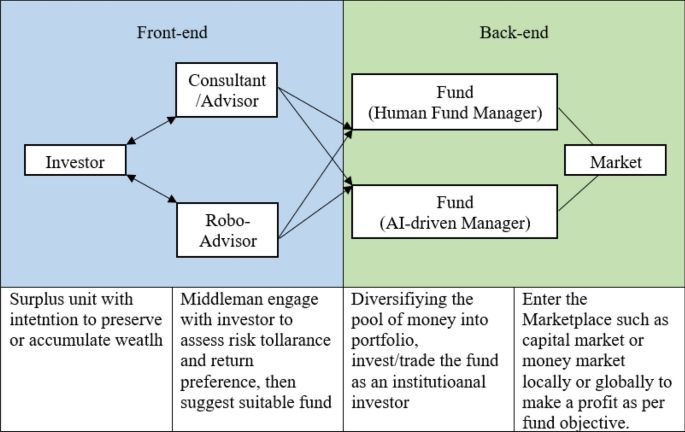
Objective This study systematically reviews the integration of artificial intelligence (AI) with investment funds in the asset management industry and emphasizes its transformative impact. Aiming to bridge knowledge gaps, this study explores AI's position within the industry, analyzes its variety, and assesses the transformational implications of existing practices. Methodology Adhering to systematic review methodology, a comprehensive search was conducted across the Web of Science and Scopus databases, identifying 27 high-quality studies published from 2020 to 2024. The study was then analyzed thematically. Findings The first theme of the review classifies AI applications into front-end and back-end roles, illustrating the transition from traditional processes. On the front-end, AI assists simple activities by analyzing an investor's profile to determine a suitable fund, similar to a human financial consultant. The back-end sees AI performing autonomous trading and managing pooled fund investments, resembling a human fund manager. As a secondary theme, this review analyse AI deployment include using robo-advisors and chatbots for front-end tasks, screening analysis, predictive analytics, automated algorithmic trading, and automated trading technical analysis for back-end tasks. This study also includes a deductive discussion on the implications and transofrmation of AI deployment. Contribution/implications This review serves as an analytical framework to highlight AI in investment funds in asset management and serves as a springboard for future research and industrial applications.
A Review in Discover Artificial Intelligence serves as an analytical framework to highlight AI in investment funds in asset management and serves as a springboard for future research and industrial applications.
#STS
04.03.2026 20:00
👍 2
🔁 1
💬 0
📌 0

Discover Oncology
A Review published in Discover Oncology examines glycosphingolipids expression in bladder cancer and explores their contributions to key cancer hallmarks, including invasion and metastasis, immune evasion, and resistance to cell death.
bit.ly/4jFyvIU
#MedSky #OncoSky
03.03.2026 20:00
👍 1
🔁 0
💬 0
📌 0

A comprehensive survey on linear programming and energy optimization methods for maximizing lifetime of wireless sensor network - Discover Computing
The wireless sensor network (WSN) is considered as a network, encompassing small-embedded devices named sensors that are wirelessly connected to one another for data forwarding within the network. These sensor nodes (SNs) follow an ad-hoc configuration and are connected with the Base Station (BS) through the internet for data sharing. When more amounts of data are shared from several SNs, traffic arises within the network, and controlling and balancing the traffic loads (TLs) are significant. The TLs are the amount of data shared by the network in a given time. Balancing these loads will extend the network’s lifetime and reduce the energy consumption (EC) rate of SNs. Thus, the Load Balancing (LB) within the network is very efficient for the network’s energy optimization (EO). However, this EO is the major challenging part of WSN. Several existing research concentrated and worked on energy-efficient LB optimization to prolong the lifetime of the WSN. Therefore, this review collectively presents a detailed survey of the linear programming (LP)-based optimization models and alternative optimization models for energy-efficient LB in WSN. LP is a technique used to maximize or minimize the linear function, which is subjected to linear constraints. The LP methods are utilized for modeling the features, deploying, and locating the sensors in WSN. The analysis proved the efficacy of the developed model based on its fault tolerance rate, latency, topological changes, and EC rates. Thus, this survey briefly explained the pros and cons of the developed load-balancing schemes for EO in WSN.
A survey published in Discover Computing briefly explains the pros and cons of the developed load-balancing schemes for energy optimization in wireless sensor networks.
bit.ly/4seLkxE
02.03.2026 20:00
👍 1
🔁 0
💬 0
📌 0
On #RareDiseaseDay, we’re highlighting a case study that explores the impact of living with a rare, invisible condition and why research matters for understanding rare diseases and lived experience 🧬
Read the article here (Locke & Eastman, 2025) : bit.ly/4sdRIFi
#MedSky
28.02.2026 21:00
👍 3
🔁 3
💬 1
📌 1

Identification of key microRNAs in lung squamous cell carcinoma: a computational study
Discover Biotechnology
A study published in Discover Biotechnology aims to bridge the gap in understanding lung squamous cell carcinoma-associated microRNAs by identifying differentially expressed miRNAs, their impact on patient survival, their functional roles and disease associations.
#OncoSky #epigenetics
26.02.2026 23:00
👍 1
🔁 0
💬 0
📌 0
An Review in Discover Applied Sciences (Sun & Liu, 2025) shows how face recognition systems can expose sensitive biometric data at multiple stages of operation.
bit.ly/45t4cQu
#STS
26.02.2026 19:00
👍 0
🔁 0
💬 0
📌 0

Discover Oncology
A study in Discover Oncology provides a systematic analysis of immune cell infiltration in bladder cancer and establishes a tumor infiltration score to predict patient prognosis and treatment efficacy.
bit.ly/4k2dHLR
#CanSky #OncoSky #MedSky
25.02.2026 23:00
👍 0
🔁 0
💬 0
📌 0

Energy justice and gender: bridging equity, access, and policy for sustainable development - Discover Sustainability
Clean energy transitions are not just about technology. They are also about people, equity, and justice. Women play a pivotal role in advancing sustainable energy solutions, yet sociocultural, financial, and institutional barriers continue to limit their participation in decision-making and access to clean energy. This research combines BERTopic modeling, SDG mapping, and case study analysis to bridge quantitative insights with real-world narratives, offering a comprehensive examination of the gender‒energy nexus. Grounded in energy justice, gender empowerment, and SDG frameworks, the study applies Kabeer’s and Friedmann’s empowerment models to link agency, resources, and achievements with distributional, procedural, and recognitional justice in energy transitions. The study covered 616 publications identified through an extensive Scopus database search, spanning literature from 2015—coinciding with the adoption of SDGs—to 2024, specifically mapped to SDG 5 (gender) and SDG 7 (energy). Addressing the main energy justice dimensions and relevant SDGs, the findings of this systematic review reveal that clean energy adoption reduces unpaid domestic work (SDG 5.4), enhances women’s leadership (SDG 5.5), and strengthens economic opportunities (SDG 7.1, SDG 7.2) but remains constrained by gendered power dynamics, technology adaptation barriers, and financial accessibility issues. The study highlights how women’s participation in energy transitions leads to greater community engagement, increased household energy efficiency, and a shift toward sustainable energy behaviors. However, moderating factors of gender empowerment interventions show that intrahousehold bargaining, a lack of financial incentives, and limited representation in governance structures continue to restrict equitable energy access. Additionally, the findings emphasize that policies designed without a gender lens risk reinforcing existing inequalities rather than alleviating them. By embedding SDG goals in the analysis, this study ensures alignment with global sustainability goals and reinforces the urgency of justice-oriented energy policies. Advocating for inclusive, community-driven approaches, this research underscores the need for intersectional frameworks that integrate energy justice and gender empowerment, ensuring that energy transitions are not only technologically sound but also socially equitable and accessible to all.
A study published in Discover Sustainability highlights how women’s participation in energy transitions leads to greater community engagement, increased household energy efficiency, and a shift toward sustainable energy behaviors. 🌍
25.02.2026 19:00
👍 0
🔁 0
💬 0
📌 0

From physical activity to sedentary behavior: the COVID-19 lockdown and mental health in high-performance athletes - Discover Mental Health
Background and aims The COVID-19 pandemic significantly impacted high-performance athletes (HPAs) by affecting their training and participation in competitions due to cancellations. The aim of this study is to analyze HPAs’ physical activity, sedentary behavior, and mental health during and after the COVID-19 lockdown while considering sex and type of sport. Materials and methods A repeated-measures observational study with a census sampling approach (N = 556) HPAs from a public university in Mexico. Informed consent was obtained, and a survey was administered in person and online. Physical activity and sedentary behavior were measured using the International Physical Activity Questionnaire (IPAQ), and mental health was assessed using the Profile of Mood States (POMS). Percentages, means, standard deviations, Student’s t-test, and Kruskal–Wallis tests were analyzed. Results Participants were an average age of 19.5 years; 50.2% were male, 55.9% practiced ball sports, 28.5% engaged in athletic sports, and 15.6% participated in combat sports. During confinement, 63.1% reported a high level of physical activity, which increased to 89.4% after confinement (X2 = 20.37, p < 0.0001). Moreover, 86% exhibited sedentary behavior during confinement, which decreased to 57.9% afterward (p < 0.00001). No significant differences were found considering sex or type of sport. Regarding mental health, significant improvements were observed in all dimensions by sex and type of sport (p < 0.05), except for the vigor dimension. Conclusions The lockdown impacted HPAs’ physical activity levels and mental health. After confinement, athletes increased their levels of vigorous physical activity and reduced sedentary behavior, reflecting adaptation to the new circumstances. Mental health indicators improved post-lockdown, although differences by sex and type of sport persisted in certain aspects.
A study in Discover Mental Health analyzes physical activity, sedentary behavior, and mental health among high-performance athletes during and after the COVID-19 lockdown while considering sex and type of sport.
#MedSky #PsychSciSky
24.02.2026 22:00
👍 3
🔁 2
💬 0
📌 0

Microplastic contamination in Kerala's coastal ecosystems: a review of sources, distribution, and ecological implications
Discover Geoscience
A study published in Discover Geoscience discusses the sources, distribution, ecological effects, and mitigation approaches for microplastic contamination in Kerala’s (India) coastal ecosystems.
24.02.2026 19:00
👍 0
🔁 0
💬 0
📌 0

Discover Oncology
A Review in Discover Oncology analyzes the mechanisms through which RNA-binding proteins and autophagy contribute to lung cancer progression and explores potential therapeutic strategies targeting these pathways.
bit.ly/42PM01g
#OncoSky #MedSky
23.02.2026 21:00
👍 0
🔁 0
💬 0
📌 0

Discover Food
A study published in Discover Food supports the potential therapeutic benefits of Turkey berry (devil's fig) tea consumption in providing cardiovascular health benefits.
bit.ly/4jzPUSK
#MedSky
22.02.2026 21:00
👍 1
🔁 0
💬 0
📌 0

Discover Journal Series

Discover Journal Series

Discover Journal Series

Discover Journal Series
What’s your mother language? 🌍
This International Mother Language Day, we're sharing research that shows how bilingual education can support understanding, confidence, and inclusion in learning (Bairy & Inamdar, 2025).
Read the full article here: bit.ly/40mcypW
#AcademicSky
21.02.2026 20:00
👍 2
🔁 0
💬 0
📌 0
Measures that could prevent the next viral pandemic - Discover Viruses
The coronavirus disease 2019 (COVID-19) pandemic has presented humanity with enormous challenges in terms of both medically managing the acute waves of infection and dealing with the sociopolitical consequences of the important measures taken to combat the viral threat. The division of societies into opposing factions—those who support the measures and those who doubt the viral causality of the observed disease progression—has had a profound impact on our social and political systems. Furthermore, the prevalence of postviral syndrome (long COVID-19) and postvaccination syndrome is increasing. Numerous viral mechanisms that have facilitated the exponential spread of infection are known from the study of other viral pathogens. For example, the cleavage of the spike glycoprotein (SGP) into S1 and S2 by transmembrane serine protease 2 (TMPSSR2) markedly increases the affinity of the virus for the angiotensin-converting enzyme 2 (ACE2) receptor, thereby significantly increasing infectivity. Similarly, the potential blockade of α7n-acetylcholine receptors (α7nARs) can significantly impair the body's primary anti-inflammatory mechanism, the cholinergic anti-inflammatory pathway. The various mechanistic pathways of SARS-CoV-2 infection, such as SGP cleavage to accelerate viral entry and nonintrinsic high-affinity binding to acetylcholine receptors, are likely common to other viruses. Given the inevitability of the next viral pandemic, in addition to the continued advancement of antiviral vaccines, it is imperative to incorporate strategies to prevent future viral threats that target these mechanisms. This narrative review aims to search the literature for antiviral strategies that, in addition to the development of specific vaccines, may help to contain the rapid spread of infection chains. The proposed measures, such as the use of transmembrane serine protease 2 (TMPSSR2) inhibitors, antiviral mouthwashes or high-affinity cholinergic ligands, have the potential not only to counteract the development of viral resistance to vaccines, but also to prevent and treat post-acute infection syndromes in the event of future viral pandemics. Graphical Abstract
A Review published in Discover Viruses aims to search the literature for antiviral strategies that, in addition to the development of specific vaccines, may help to contain the rapid spread of infection chains.
#MedSky
19.02.2026 23:00
👍 6
🔁 3
💬 0
📌 0

Exploring the relationship between Alzheimer’s disease and colorectal/breast cancers using SEER database, Mendelian randomization, and transcriptomic data - Discover Oncology
Background Alzheimer’s disease (AD) and cancer are among the most prevalent age-related diseases. Despite previous research into their potential relationship, the nature of their association remains poorly understood. This study aims to examine the clinical characteristics of AD and various cancers using data from the Surveillance, Epidemiology, and End Results (SEER) database, investigate the causal relationship between AD and cancers through Mendelian randomization (MR) analysis, and identify potential shared underlying mechanisms through transcriptomic profiling. Methods Clinical data from AD patients were retrieved from the Surveillance, Epidemiology, and End Results (SEER) database, and survival analysis was conducted using Kaplan-Meier curves. For the two-sample Mendelian randomization (MR) analysis, data were obtained from genome-wide association study (GWAS) databases. Multiple MR approaches, including inverse-variance weighted, MR-Egger, and weighted median methods, were applied, along with assessments of heterogeneity and sensitivity to ensure the robustness and reliability of the results. Transcriptomic data for AD, colorectal cancer (CRC), and breast cancer (BC) were downloaded from the Gene Expression Omnibus (GEO) database. Differentially expressed genes (DEGs) were identified through differential expression analysis, followed by functional enrichment analysis using Gene Ontology (GO) and the Kyoto Encyclopedia of Genes and Genomes (KEGG) pathway analysis. Results A total of 42,768 cancer patients who died from AD were included from the SEER database. Survival analysis revealed a more favorable prognosis (p < 0.01) in patients younger than 65 years. Asian or Pacific Islander patients exhibited better survival outcomes compared with White patients. Regarding tumor sites, patients with uterine corpus cancer had the best prognosis, while lung cancer patients had the poorest outcomes. Patients who received surgery, radiotherapy, or chemotherapy showed significantly improved survival compared to those who received no cancer treatment. Higher household income and being married were also associated with better prognosis, although no significant difference was observed by gender. MR analysis demonstrated a significant positive causal relationship between AD and CRC, and a weak inverse relationship between AD and BC, suggesting that increased genetic susceptibility to AD is associated with elevated CRC risk and reduced BC risk. Intersection analysis of DEGs revealed that shared DEGs between AD and BC were enriched in GO terms related to amino acid transport regulation, organic acid transport regulation, positive regulation of vesicle docking, and myo-inositol transmembrane import. Shared DEGs between AD and CRC were enriched in presynaptic actin cytoskeleton organization, proteasome ubiquitin-independent protein catabolic process, negative regulation of cellular amide metabolic process, and adenylate cyclase binding. KEGG enrichment analysis indicated that AD and BC may share the synaptic vesicle cycle pathway. Conclusion Our study reveals significant subgroup heterogeneity among cancer patients who died from AD. MR analysis demonstrates that AD increases the risk of CRC while showing weak evidence for a decreased risk of BC. These associations may be mediated by mechanisms involving amino acid transport regulation, myo-inositol transmembrane import, and synaptic vesicle cycling. These findings offer new perspectives on the AD-cancer relationship and may guide future investigations into shared mechanisms.
A study published in Discover Oncology suggests that increased genetic susceptibility to Alzheimer’s disease is associated with elevated colorectal cancer risk and reduced breast cancer risk.
#MedSky #Oncosky
19.02.2026 19:00
👍 0
🔁 0
💬 0
📌 0

Discover Artificial Intelligence
A study published in Discover Artificial Intelligence aims to enhance protein sequence classification using natural language processing (NLP) techniques while addressing the impact of sequence similarity on model performance.
bit.ly/4kEQwqu
#STS
18.02.2026 22:00
👍 0
🔁 1
💬 0
📌 0

stock image
A Review published in Discover Artificial Intelligence summarizes the use of AI across various stages of drug discovery and development, as well as in marketing and commercialization.
bit.ly/3Om1DKi
18.02.2026 20:00
👍 0
🔁 0
💬 0
📌 0
Microplastic contamination in Kerala's coastal ecosystems: a review of sources, distribution, and ecological implications
Discover Geoscience
A study published in Discover Geoscience discusses the sources, distribution, ecological effects, and mitigation approaches for microplastic contamination in Kerala’s (India) coastal ecosystems.
17.02.2026 20:00
👍 0
🔁 0
💬 0
📌 0

Discover Electronics
A study published in Discover Electronics presents a comprehensive literature survey of different blood glucose level monitoring techniques available, distinguishing invasive and non-invasive ones.
bit.ly/3ZDOhvC
#MedSky #STS
16.02.2026 21:00
👍 1
🔁 0
💬 0
📌 0
Do we all have the same access, support, and opportunities to progress in education?
As #BlackHistoryMonth invites reflection, this review examines how racism is addressed in research on Black students across different levels (Miles et al., 2025).
bit.ly/40cSbLK
15.02.2026 20:00
👍 0
🔁 0
💬 0
📌 0
Discover Oncology
A Review in Discover Oncology analyzes the mechanisms through which RNA-binding proteins and autophagy contribute to lung cancer progression and explores potential therapeutic strategies targeting these pathways.
bit.ly/42PM01g
#OncoSky #MedSky
14.02.2026 21:00
👍 1
🔁 0
💬 0
📌 0
Discover Oncology
A Review published in Discover Oncology examines glycosphingolipids expression in bladder cancer and explores their contributions to key cancer hallmarks, including invasion and metastasis, immune evasion, and resistance to cell death.
bit.ly/4jFyvIU
#MedSky #OncoSky
13.02.2026 19:00
👍 1
🔁 0
💬 0
📌 0

Synthetic microbial communities as novel models to study gut microbiome–host interactions in metabolic diseases - Discover Endocrinology and Metabolism
Synthetic gut microbial communities (SynComs) have emerged as powerful platforms for investigating microbiome–host interactions in metabolic diseases. By enabling precise control over microbial composition, SynComs overcome key limitations of traditional models, such as ecological variability, low reproducibility, and limited mechanistic resolution. Most current SynComs focus on bacterial consortia, although interest in fungal and mixed communities is growing. These defined consortia have been successfully applied to reproduce disease-relevant phenotypes; elucidate microbial contributions to obesity, insulin resistance, and hepatic lipid metabolism; and identify specific taxa or strain-level functions with therapeutic potential. Their versatility spans in vitro systems—including batch fermenters and gut-on-chip devices—as well as in vivo models such as germ-free or gnotobiotic mice. Moreover, the integration of multi-omics technologies and computational modeling has enhanced the predictive capacity and functional insight of studies employing SynComs as experimental models. Despite current challenges—such as reduced ecological complexity and translational gaps—ongoing innovations in microbial culturing, host-relevant model systems, and rational SynCom design are expanding their applicability. This review evaluates the construction, applications, and limitations of SynComs, highlighting their potential to advance microbiome-targeted research and therapeutic development in metabolic disorders.
A Review in Discover Endocrinology and Metabolism evaluates the applications, and limitations of synthetic microbial communities, highlighting their potential to advance microbiome-targeted research and therapeutic development in metabolic disorders.
#MedSky #MicrobiomeSky
12.02.2026 22:00
👍 1
🔁 0
💬 0
📌 0