That does look fun! You'll have to give me a demo as to how you produced that. Plenty of low scoring squares to fill in 😉 Beetle maps must look similar!
13.02.2026 23:11
👍 1
🔁 0
💬 1
📌 0
That does look fun! You'll have to give me a demo as to how you produced that. Plenty of low scoring squares to fill in 😉 Beetle maps must look similar!

Extracted internal flagella from aedeagus of Oulema using same pin. The aedeagus is just over 0.2mm in diameter


My dissecting pin. Pin is 0.3mm dia with bent tip 0.1mm wide
With beetles I hold aedeagus steady with fine pin in bulb end and then tease out internal sacs with the hooked end. Can be fiddly for sure but usually works and as I say j found it far easier than trying to hydraulically evert
Ah yes. Problem I had with trying to force out hydraulically was I could never seem to get a good enough seal around inserted tube so fluid just seeped out around edges hence why i went down the inserting fine need in apex and gently pulling out. Just watching rugby at mo but I'll send pic of pin
During PhD many moons ago I used very fine glass tubes to artificially inseminate guppies and zebra fish. Created those by gently heating narrow bore glass tubes in centre and gently pulling two halves apart to form very fine tips. If you can source small glass tubes might be worth a try?
I presumed that's what you meant. As I say I have used this very fine hooked pin to evert the internal sacs of things like Pterosticus nigrita/rhaeticus aedeagi and Oulema melanopus agg. having previously tried and failed to do same thing you're trying by inserting tube at bottom end
Created it by dragging tip of pin along glass slide and then mounted it in a cocktail stick. Have never managed to recreate same thing again so this one's about 10 years old now. Terrified of losing it!
I use a very fine pin with a tiny hook on the end to extract beetle bits and have even used it to extract the internal sacs of aedeagi too. Not sure if it would work on moths though?
Stunning piece of artwork! If that doesn't inspire you to love beetles then nothing will 😁
Not sure what hope there is for the rest of us then 🤣
I think it sometimes times out after long periods. If I have a very long list I'll add some then go back later and add the rest by editing one of the existing records. You're given option to edit single record or see the whole list. I do the latter and then just add more species to the list
Are they looking to restore the pond there? Heavily shaded and infilled. I'm actually finishing off some beetle samples I collected from the site last summer hence why I recognised the image 😅
Recognise the line of willows along stream next to public footpath 🙂
Looks like Strawberry Hill in Bedfordshire
Ah yes, I always um and ah about these two without the comparison side by side. Some look more obvious than others 😆
Helophorus aequalis?
Is this a known association @britishbugs.bsky.social
Doh! Answered my own question. It appears to be a Dwarf Comfrey seed a patch of which I have growing by the front door next to where I've seen the bugs. Presumably able to feed on these in addition to forget-me-nots?
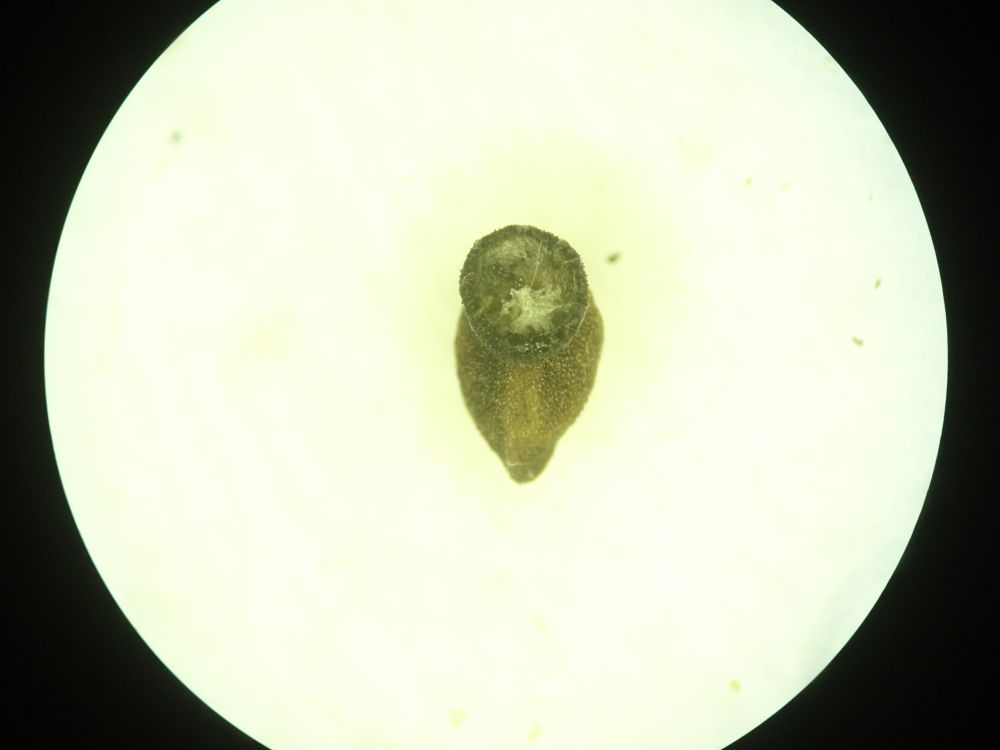
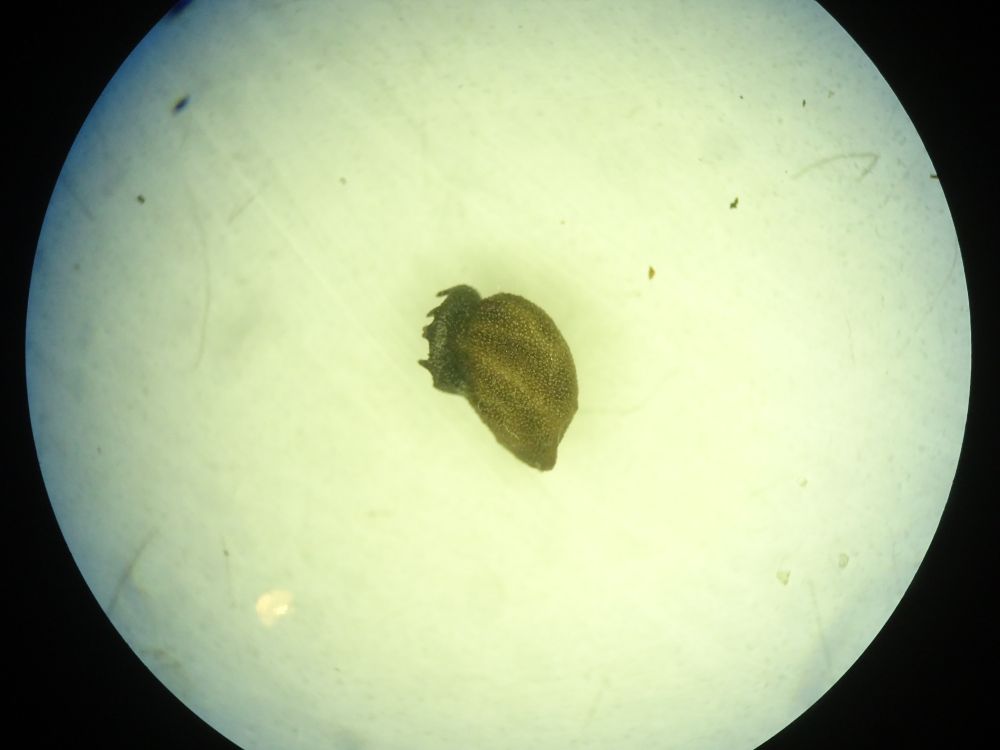
Anyone able to suggest what this is? I've seen three Forget-me-not Shieldbugs struggling to walk in garden which on inspection have had one of these objects stuck to the underside. They are about 3mm long and fairly hard to touch. Not opened one up yet but wondering if parasitic egg case or seed?
That should have said "for year or more and nicely relaxed...." 🙄
Hi Ben, I freeze everything then after few days transfer into pots with small amount of vinegar wetted tissue in the bottom. I've had specimens sit like this for year or Morland nicely relaxed and easy to card. I mainly collect beetles, bugs and ants and works fine with them
Hybrid with pseudocyperus? Handbook has known hybrid with rostrata. I can see 3 stigmas on some of the zoomed in images
Properly jealous! Nice find 😊
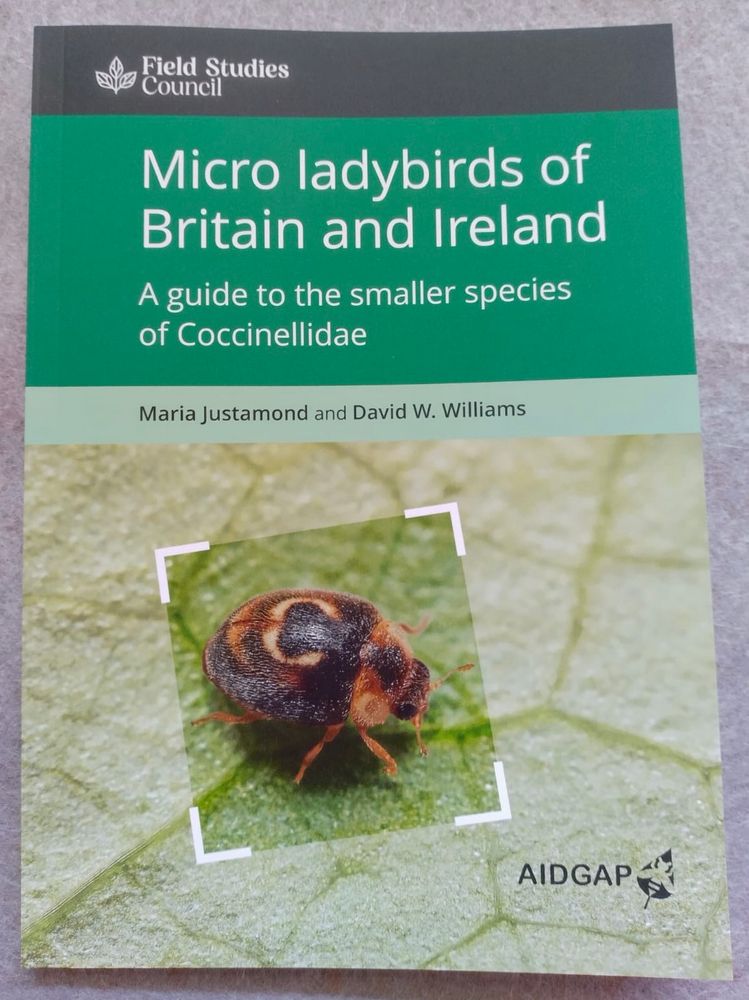
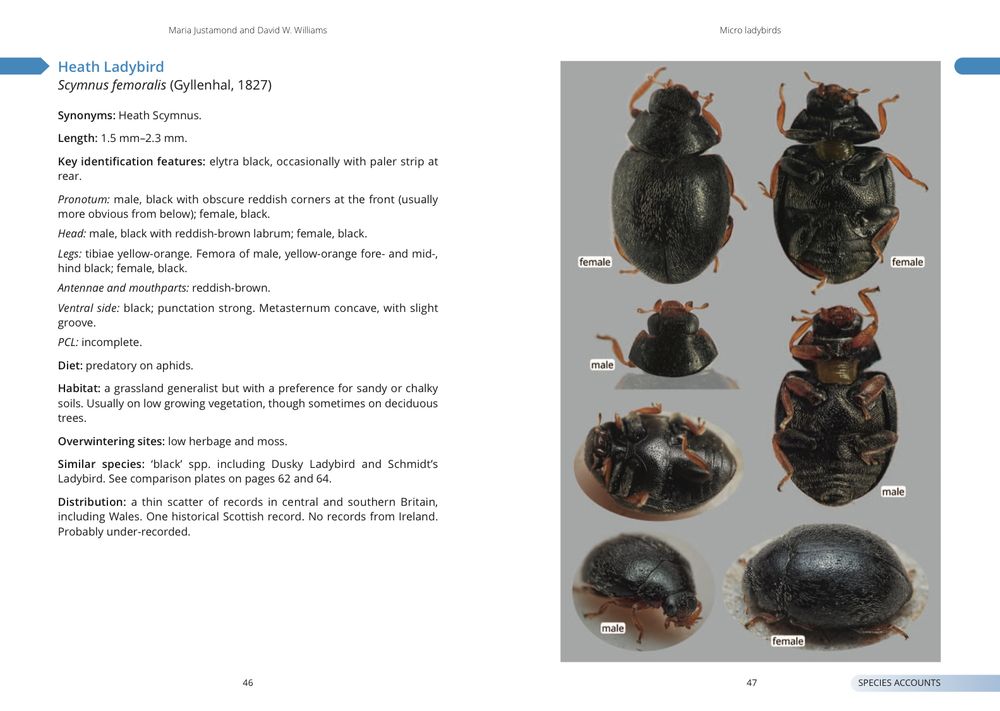
@vc40orthops.bsky.social and I are pleased to announce the publication today of the “Micro ladybirds of Britain and Ireland”, in collaboration with the FSC: www.field-studies-council.org/shop/publica...
Some more figures....pre-drought average numbers 308 males vs 79 females. Post drought average 134 males vs 25 females so males knocked back by over 50% but females by 70%
Their breeding pond is large and deep and never dries up but pattern on numbers is so clear now that I suspect the drought must have really affected them post-breeding in their summering quarters. Anyone else seeing similar pattern? @froglife.bsky.social
Female numbers from 2018-2022.....78, 103, 81, 60, 74 then since 2023......25, 29, 21. We're on the Greensand Ridge here with many toads migrating off the floodplain onto sandy soils and now suspect that the drought in 2022 must have really hammered females disproportionately
Shout out to fellow #ToadPatrol. Anyone else seen a real noticeable affect on female numbers after the 2022 drought year. I've been concerned about dwindling female numbers on my Sandy, Beds patrol for few years and looking at data this evening there was a serious decline between 2022 and 2023
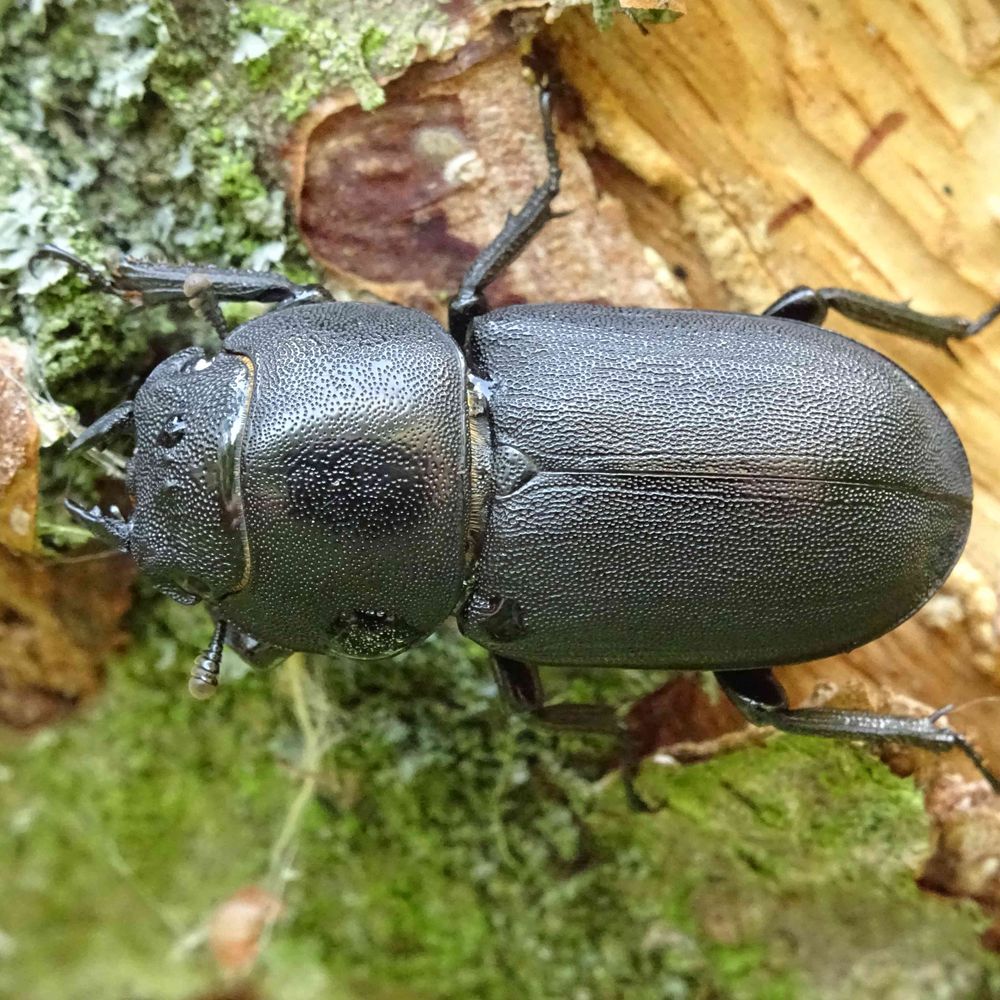
Lucky to have seen this in my garden in Bedfordshire including in the moth trap. Also seen in Suffolk and Surrey. Always been associated with Birch Polypore brackets when I've seen it. Gorgeous beetle and hopefully seems to be showing signs of spreading