
Link here: oliverwkim.com/papers/Kore...
Looking forward to hearing your questions / comments!
03.11.2025 21:57
👍 1
🔁 0
💬 0
📌 0
Link here: oliverwkim.com/papers/Kore...
Looking forward to hearing your questions / comments!
Our paper shows East Asia's miracle wasn't just domestic policy; it was catalyzed by geopolitical demand shocks that built long-term export capacity. A similar shock caused by the Korean War helped lift Japan in the 1950s, making firms like Toyota global brands.
War procurement had huge aggregate effects. By 1973, we estimate that contracting firms accounted for 20% of South Korea's total exports.

Q: Was this just the Korean government picking future winners?
Our data lets us test this: we see the state's firm-level export targets, set before contracts were awarded.
Targets didn't rise before the contract, but realized exports did—ruling out selection on expected growth.

Effects weren't just U.S. sales. Winning a contract led to a lasting expansion into third-country markets, suggesting firms gained new capabilities & reputation.
Contracting firms also responded more strongly to 🇰🇷's 1970s HCI drive, showing contracts + industrial policy were complementary.

To study this, we built a new firm-level dataset linking U.S. DoD procurement contracts to Korean export records.
The causal impact of winning a contract? Massive.
We find it caused a 46 pct point jump in the firm's likelihood of exporting, and a tripling of export value.

In 1966, Park Chung-hee and the US struck a deal: in exchange for 🇰🇷 sending troops to South Vietnam, the US agreed to procure equipment and services from South Korean firms.
These contracts summed to $766m, peaking at 2.9% of Korea's GDP in 1968—rivaling the Marshall Plan.

What were the causes of South Korea's export miracle?
My new paper w @philippbarteska, @straightedge, @seung_econ explores a major overlooked factor: U.S. military procurement during the Vietnam War.
We bring new evidence to the Q of how geopolitics shapes development. 🧵:
My year-end post on Global Developments is up—if you have any comments / feedback over the previous year of posts, please chime in!
One Year of Global Developments: www.global-developments.org/p/one-year-o...
was tinkering with some OCR and decided to update an old econ history OCR example. What a difference a couple of years makes:
old: github.com/apoorvalal/h...
new: github.com/apoorvalal/h...

These charts come from my new 🌐 Global Developments 🌐 blog post, "A World Without Aid". Check it out below:
www.global-developments.org/p/a-world-w...
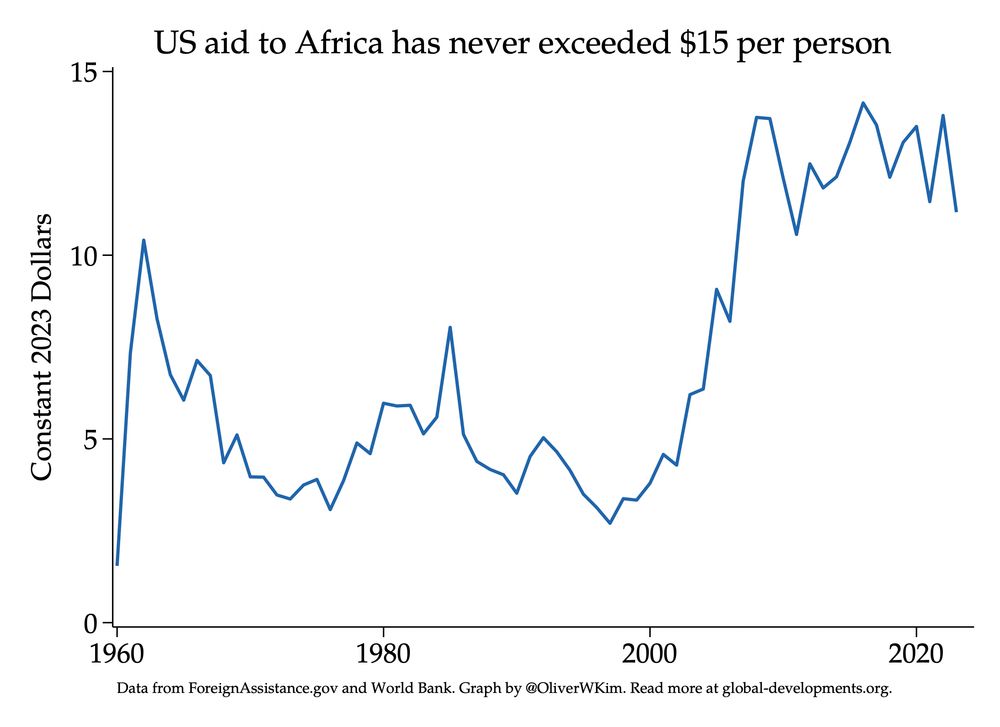
By comparison, US aid to Sub-Saharan Africa has remained relatively low—it has never exceeded $15 per person since 1960.
Roughly $5 of that goes to PEPFAR, one of the most effective public health interventions we know of.
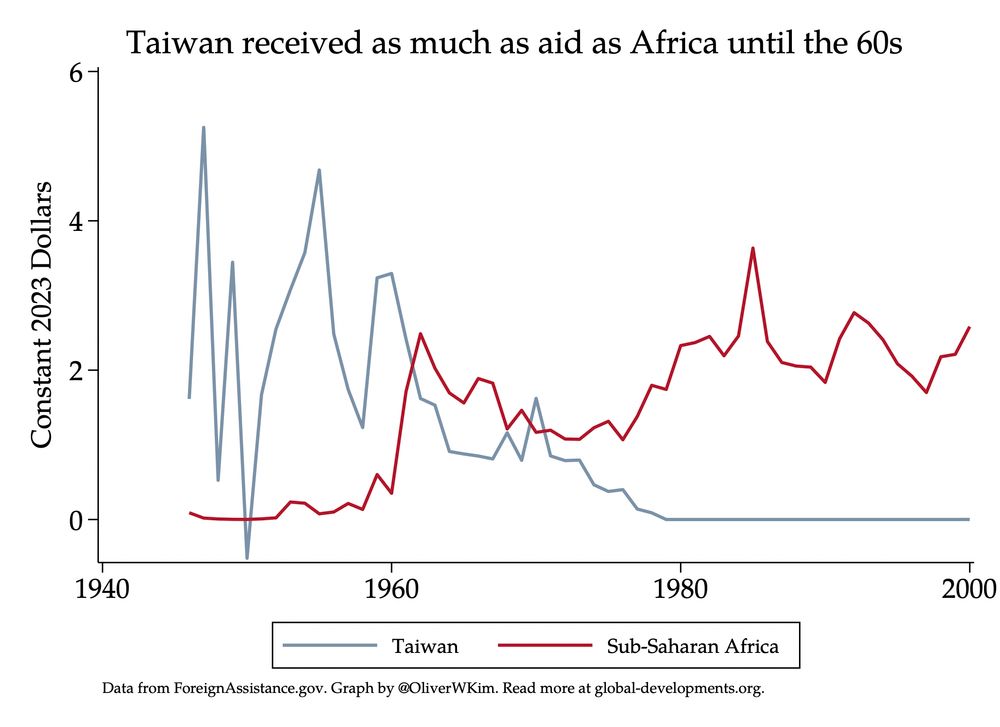
Similarly, Taiwan received as much aid as all of Africa, into the early 1960s.
Some of this aid supported the Joint Committee on Rural Reconstruction, which oversaw the famous 1950s land reform, and also crucial work on ag extension.
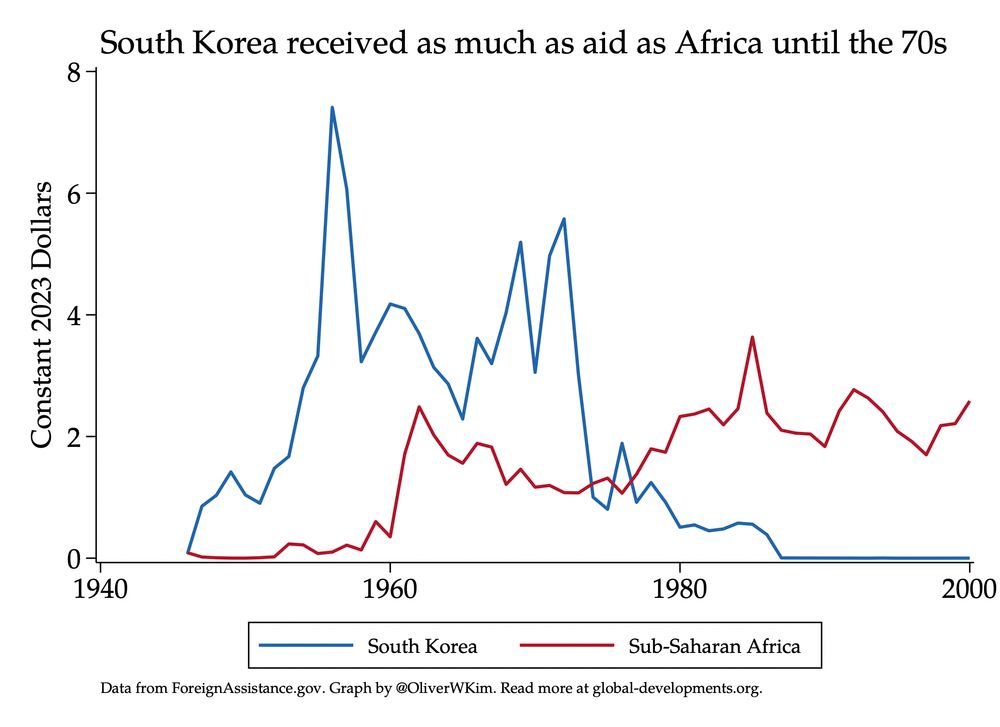
The geography of aid has shifted enormously over time.
One crazy fact is that South Korea received more aid than all of Sub-Saharan Africa combined, well into the 1970s. An under-appreciated feature of the East Asian Miracle!
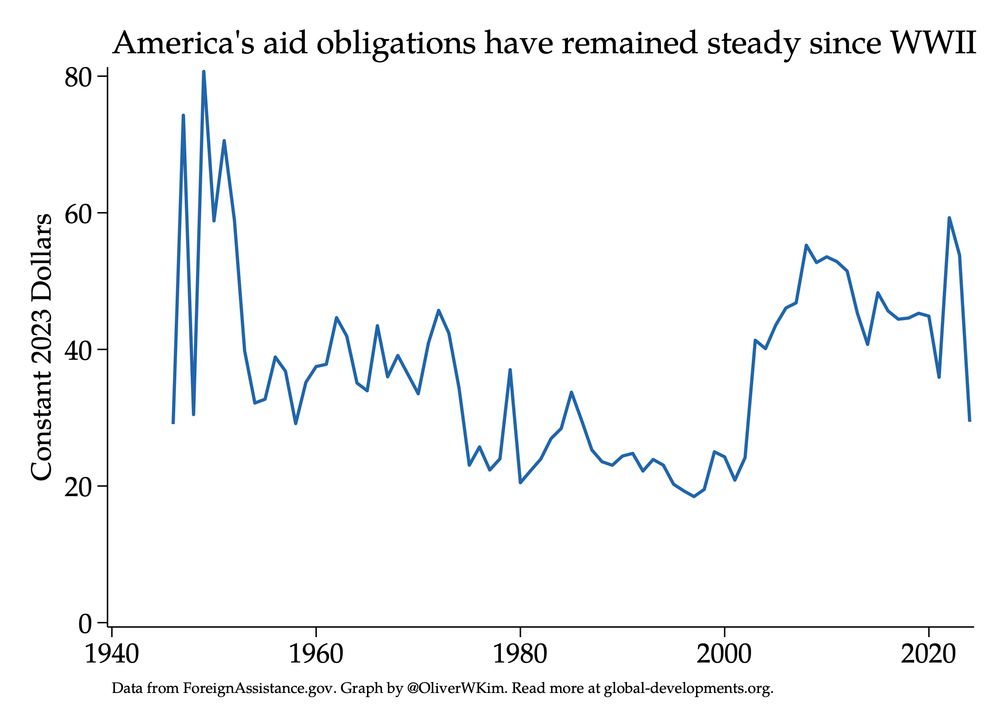
Quick 🧵 on American aid spending, to accompany my new Substack (link below)
US aid obligations have remained remarkably steady in real terms since WWII, rarely exiting a band of $20-60 billion in 2023 dollars. Surprisingly, the year with the most aid obligations was... 1948!


Striking set of graphs from @global-developments.org - for years South Korea & Taiwan received more US aid than all of Africa combined
www.global-developments.org/p/a-world-wi...
New 🌐Global Developments🌐 post: How Do Exchange Rates Work, Anyway?
Folk wisdom, dollar dominance, and hot money
www.global-developments.org/p/how-do-exc...
New 🌐Global Developments🌐 post: How Do Exchange Rates Work, Anyway?
Folk wisdom, dollar dominance, and hot money
www.global-developments.org/p/how-do-exc...
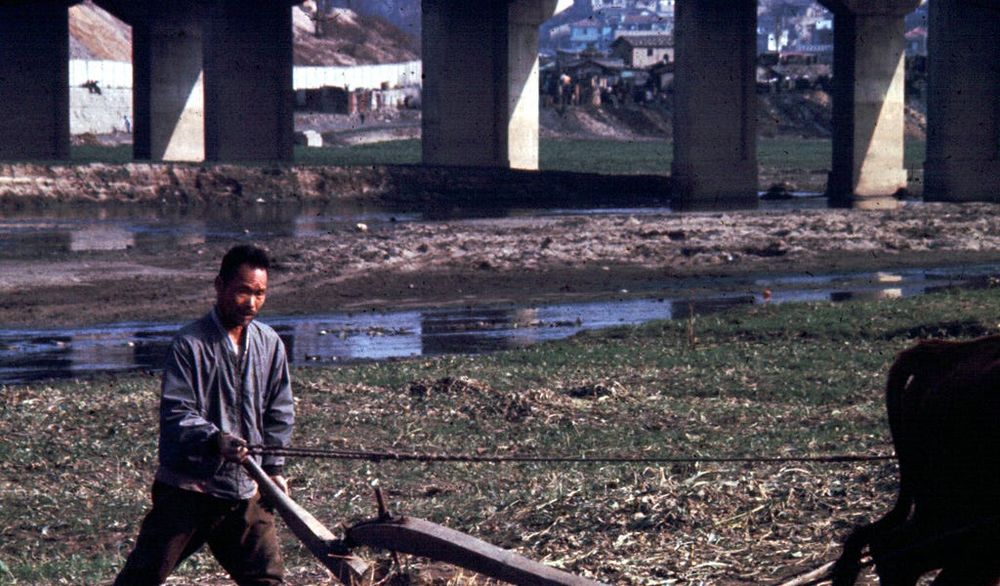
Excellent post from @global-developments.org (with a moving personal story).
No, South Korea Was Not Poorer Than Kenya in 1960 www.global-developments.org/p/no-south-k...

In 1960, South Korea and Taiwan were educational outliers.
Hugely important graph by @global-developments.org, echoing a point made in @drodrik.bsky.social (1995).
This fact is crucial to understanding East Asia’s economic success.
Thanks! In at least the standard neoclassical model, the price of land isn't the main channel, it's more changing demand for goods in sectors that do exist. My advisor Jon Steinsson's recent paper on England documents only modest increases in land rents after 1760:
eml.berkeley.edu/~enakamura/p...

New Post: Why Did the Industrial Revolution Happen? And Other Simple Questions
www.global-developments.org/p/why-did-th...
New Post: Why Did the Industrial Revolution Happen? And Other Simple Questions
www.global-developments.org/p/why-did-th...
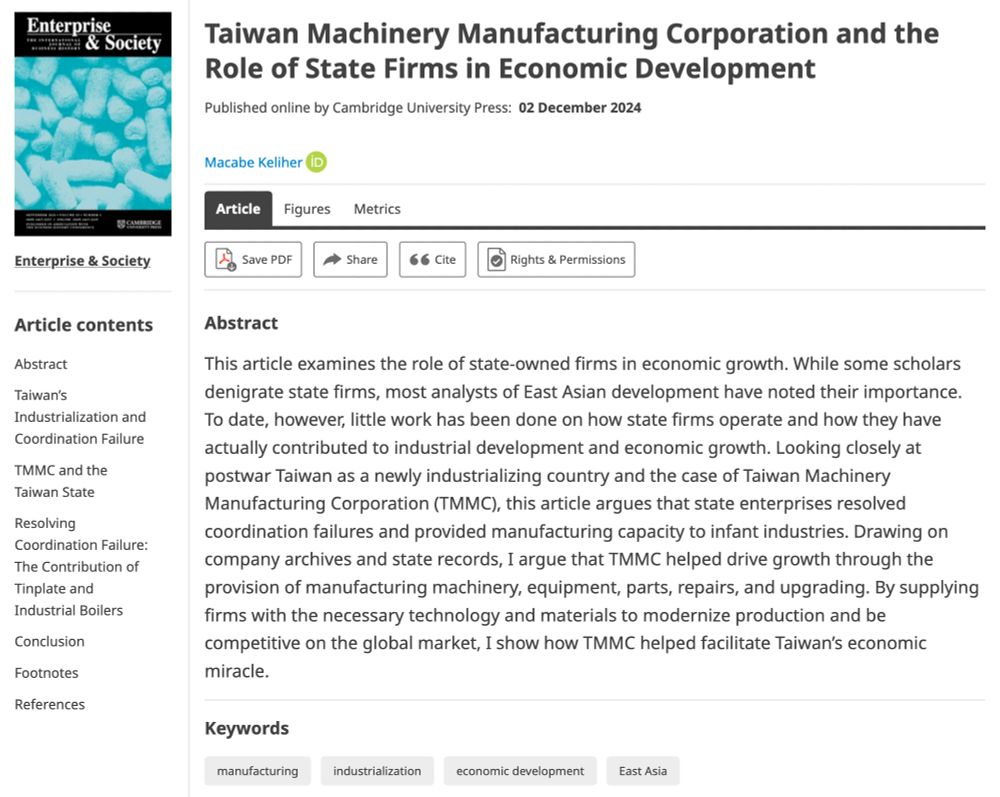
My colleague @MacabeKeliher just published this excellent article about the role of Taiwan Machinery Manufacturing Corporations, as SOE, in Taiwan's postwar economic development. Part of what he calls the "archival turn" in studies of the developmental state. Interesting stuff!
I always loved Lee Kuan Yew's description of Korean protest:
"The Koreans are a fearsome people. When they riot, they are as organized and nearly as disciplined as the riot police who confront them... When their workers and students fight in the streets... they look like soldiers at war."
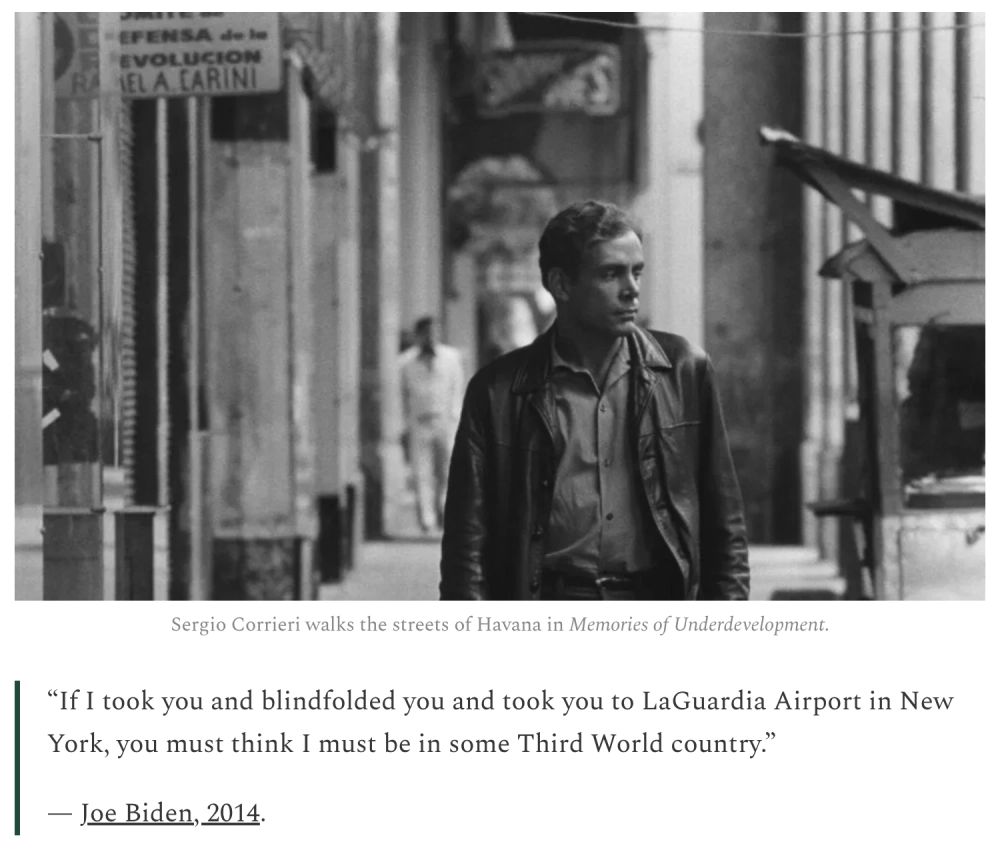
What do we call a poor country—"underdeveloped", "developing", an "emerging market"?
A potted history (and Global Dev post) on our changing words for poverty—the rhetoric of underdevelopment:
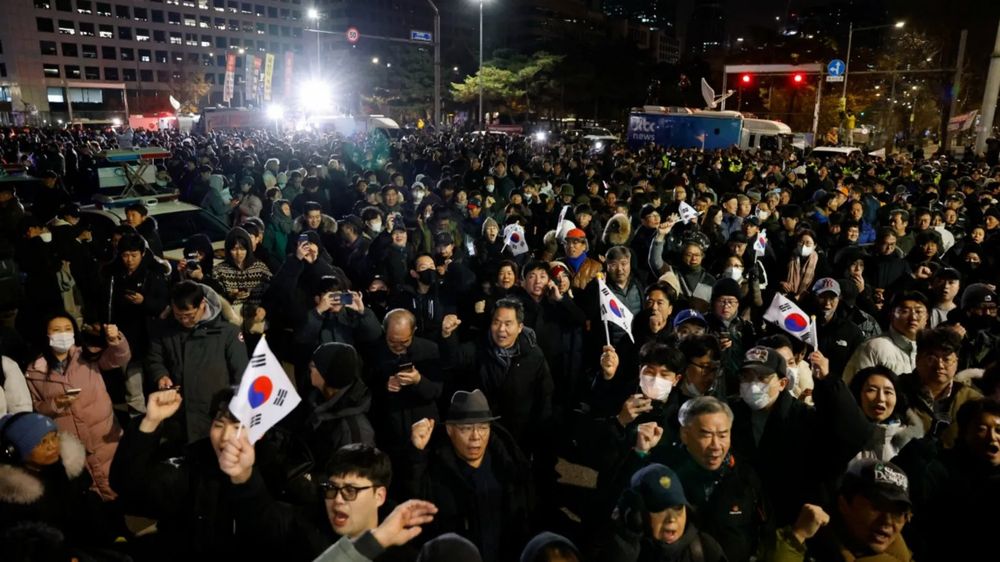
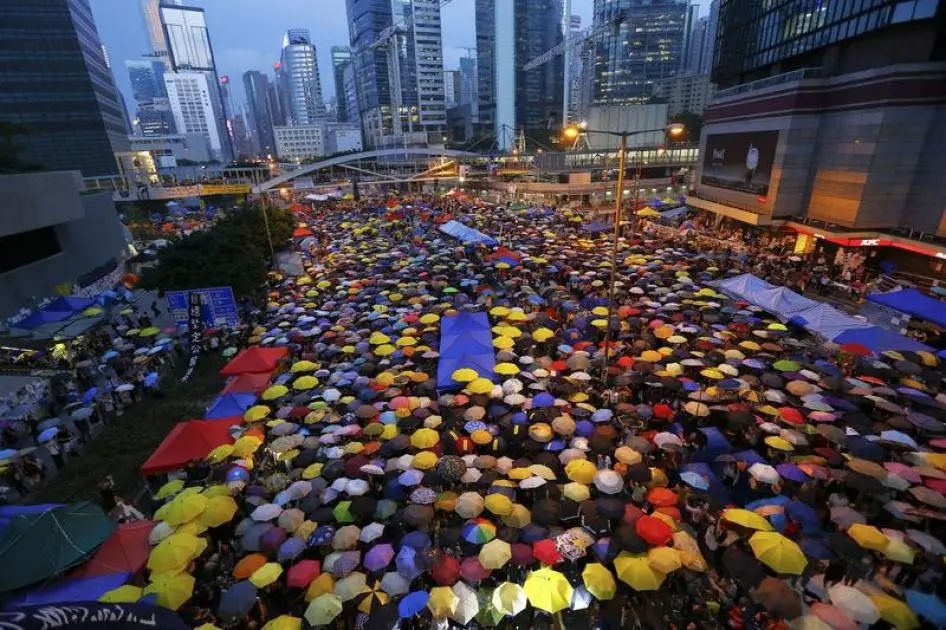
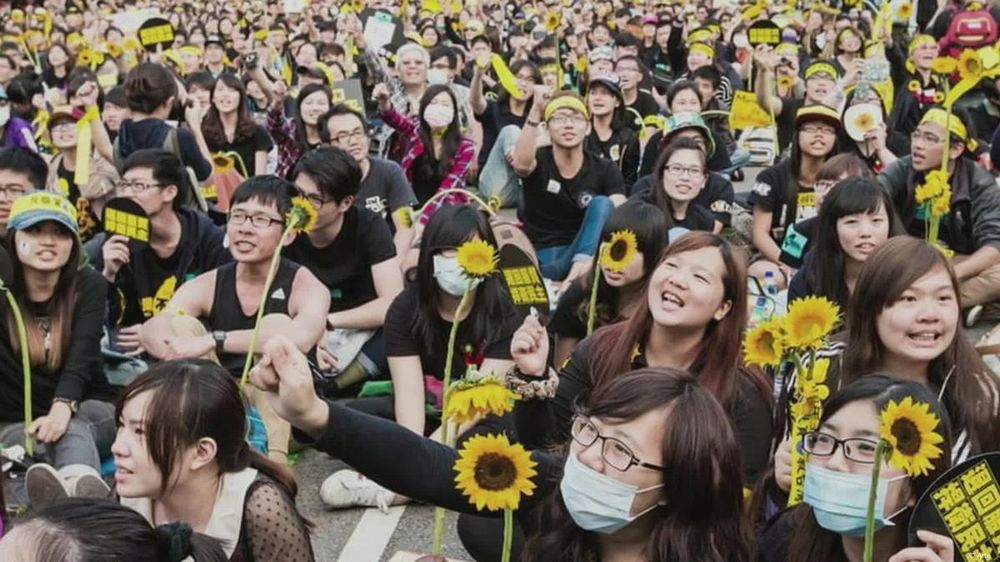
"Asian values are incompatible with democracy"

Words reflect power, much more than they can reshape it.
In the face of staggering inequality, without transformative change, "Global South" and new terms will likely follow "Third World" as an insult.
More in my post: www.global-developments.org/p/the-rhetor...
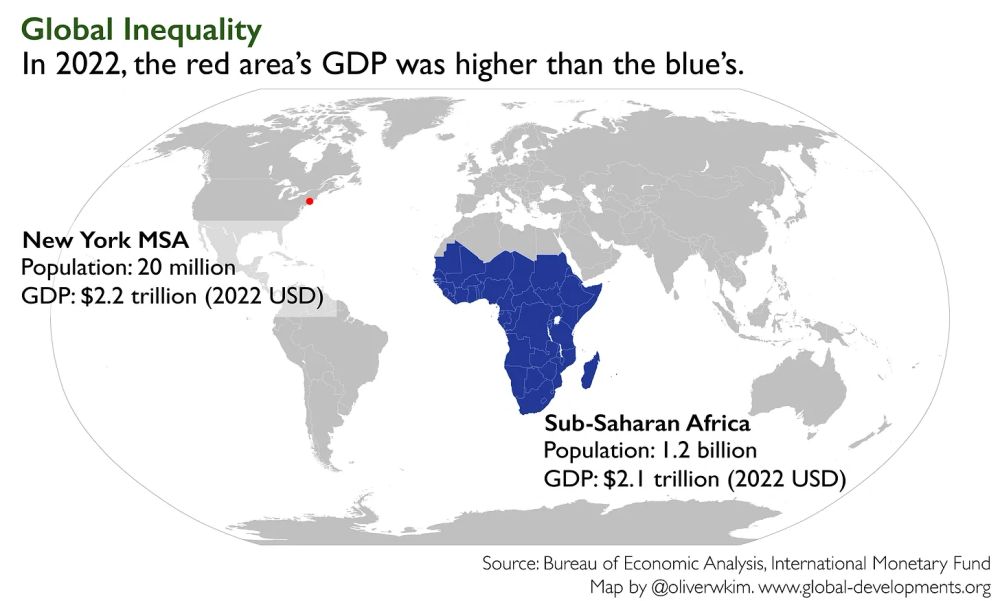
These terms, sadly, have also become pejoratives—useful metaphors for rich countries to describe when things don't work.
Joe Biden once quipped in 2014 that LaGuardia was like a "Third World country"; the MSA served by LaGuardia has a higher GDP than all of Sub Saharan Africa.
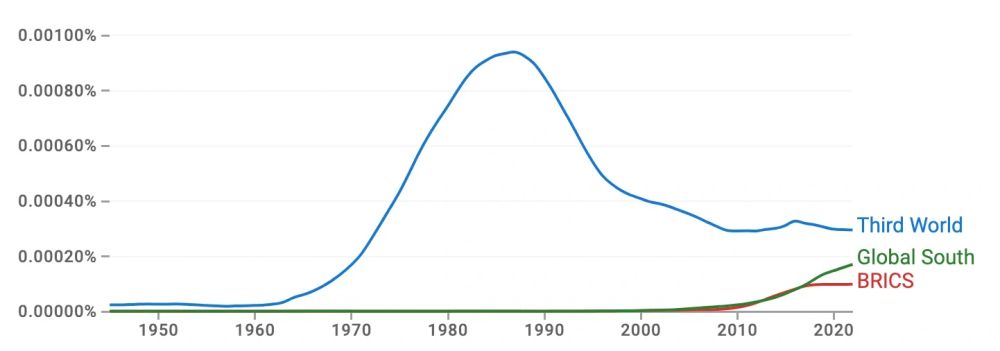
What do we call poor countries as a group?
"Third World", invented by French demographer Alfred Sauvy, was dominant for most of the century. "Global South"—coined by SDS President Carl Oglesby—and "BRICS"—derived from a Goldman Sachs research report—are its two new competitors.